
Museums in Valencia: Discover art, ceramics and science
Valencia’s museums range from historical and modern art to ceramics, science and the figures of the Fallas. Choose according to your interests and check opening hours and routes in advance, as exhibitions, admission and visitor rules may change.
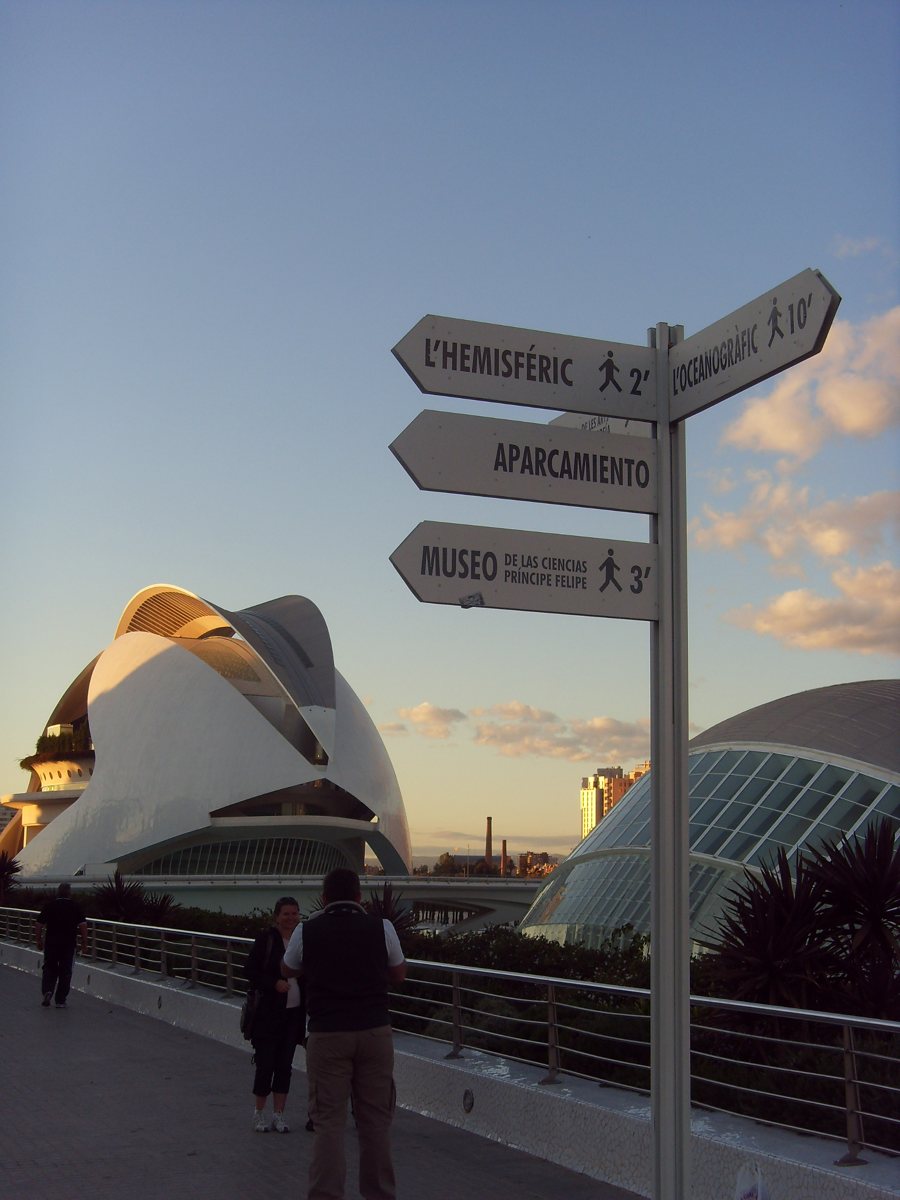 Wegweiser zu Museu de les Ciències, Oceanogràfic und Hemisfèric in Valencia; Symbolbild für Museen und Wissenschaft.
Photo: Markus Lenk
Which museum is right for you?
The Museo de Bellas Artes de València displays art spanning several centuries. The IVAM focuses on modern and contemporary art. Ceramics and crafts take centre stage at the Museo Nacional de Cerámica González Martí. The Museu de les Ciències offers interactive science exhibits, while the Museo Fallero explains the Fallas tradition.
Art: Bellas Artes and IVAM
The Museo de Bellas Artes is a good choice if you want to see older Spanish and Valencian painting. Works and galleries may sometimes be unavailable because of loans or renovations, so it’s best not to base your visit around seeing a single painting. The IVAM combines its collection with temporary exhibitions of modern art. Before setting out, check which galleries are open and whether you need a ticket or timed entry. The IVAM’s official visitor information provides the latest details on opening hours.
Ceramics at the Palacio del Marqués de Dos Aguas
The González Martí Ceramics Museum is housed in the Palacio del Marqués de Dos Aguas. Its richly decorated doorway is worth seeing from the outside; inside, ceramics and crafts tell the story of design and everyday life across different eras. It’s especially rewarding if you’re interested in both the collection and the historic interiors. Check in advance which areas are open, as individual rooms may close temporarily for work or events.
Science and architecture
The Museu de les Ciències offers interactive exhibitions on science and technology and is a good choice for families. It is part of the Ciutat de les Arts i les Ciències. The Oceanogràfic and Hemisfèric are separate attractions, with their own admission and timed-entry rules. A combined ticket is worthwhile only if you genuinely plan to visit more than one of them. Allow plenty of time for the complex. Our visitor’s guide to the City of Arts and Sciences has more tips on the attractions and planning your day.
Fallas at the Museo Fallero
The Museo Fallero displays figures and objects from the Fallas tradition. Selected ninots are spared from burning by popular vote and preserved as Ninots Indultats. This lets you explore their design and satirical imagery outside the festival period, too. A museum visit is no substitute for the festival itself, but it offers a good sense of its artistic and community spirit. Find planning tips in our overview of festivals and events in Valencia.
History in exhibitions and historic buildings
In the historic centre, you can combine a museum visit with a walk. The cathedral and its museum showcase religious art and the history of the sacred building. The Holy Chalice venerated there is traditionally associated with the Last Supper, though its historical identity has not been independently proven. If you’d like to better understand the city’s changing rulers and historical periods after your museum visit, read more in our article about El Cid and Valencia. Our overview of the historic Kingdom of Valencia explains how its own institutions and regional history developed.
Collections outside the old town also bring history to life in a specific place. The Palau Ducal dels Borja in Gandia combines a visit to a palace with the history of the Borja family. It works best as a day trip of its own, rather than a quick stop between two museums in the city centre, so allow time separately for the journey and visit.
Planning your visit
Group your museum visits by neighbourhood: Bellas Artes, IVAM and the old town can make for an art-focused day exploring the centre. The Ciutat de les Arts i les Ciències is best saved for a longer visit of its own. Our overview, Valencia: city, coast and region, can help you get your bearings. If you’d like to combine art and history with a market visit or a stroll, our article about shopping in Valencia has ideas for markets and shops. For a break featuring regional dishes, see our guide to food and drink in Valencia.
On the day of your visit, check official information about opening hours, public holidays, prices, free-entry periods, accessibility and reservations. These vary by museum; rules on photography, cloakrooms and bags are not consistent either. Allow time to travel between venues, and it’s better to visit a few collections at a relaxed pace than to cram too many stops into one day. Special exhibitions may have additional admission and timed-entry requirements.
Frequently asked questions about museums in Valencia
Which museum is best for a first visit?
Choose according to your interests: Bellas Artes for historical painting, IVAM for modern art, González Martí for ceramics, the Museu de les Ciències for science or the Museo Fallero for the Fallas.
Can I visit several museums in one day?
Yes, if you combine venues that are close to each other and allow enough time for getting around and taking breaks. Bear in mind how long the exhibitions take and whether you have reserved timed-entry slots.
Do I need to book tickets in advance?
It depends on the museum, exhibition and date. Check the official website and book ahead if timed entry is offered or an exhibition is in high demand.
When are museums closed?
There is no single rule. Closing days, public holidays and special opening hours vary, so check the latest information for each venue.
What are Ninots Indultats?
They are Fallas figures spared from burning by popular vote and preserved. You can see them at the Museo Fallero outside the festival period, too.
