Adventure and active holidays in the Valencia Region
Canyoning, climbing, hikes and other outdoor experiences in Castellón, Valencia and Alicante: compare activities, plan safely and find providers that suit you.
A holiday in the Valencia region can take many forms: a few days in the capital, a week at the beach, a trip to historic sites, or a combination of city and nature. The region comprises the provinces of Castellón, Valencia and Alicante. To keep distances from dictating your daily plans, it’s worth choosing your main focus first, then finding the right place to stay. The overview of the provinces and coasts is a helpful starting point for comparing them.
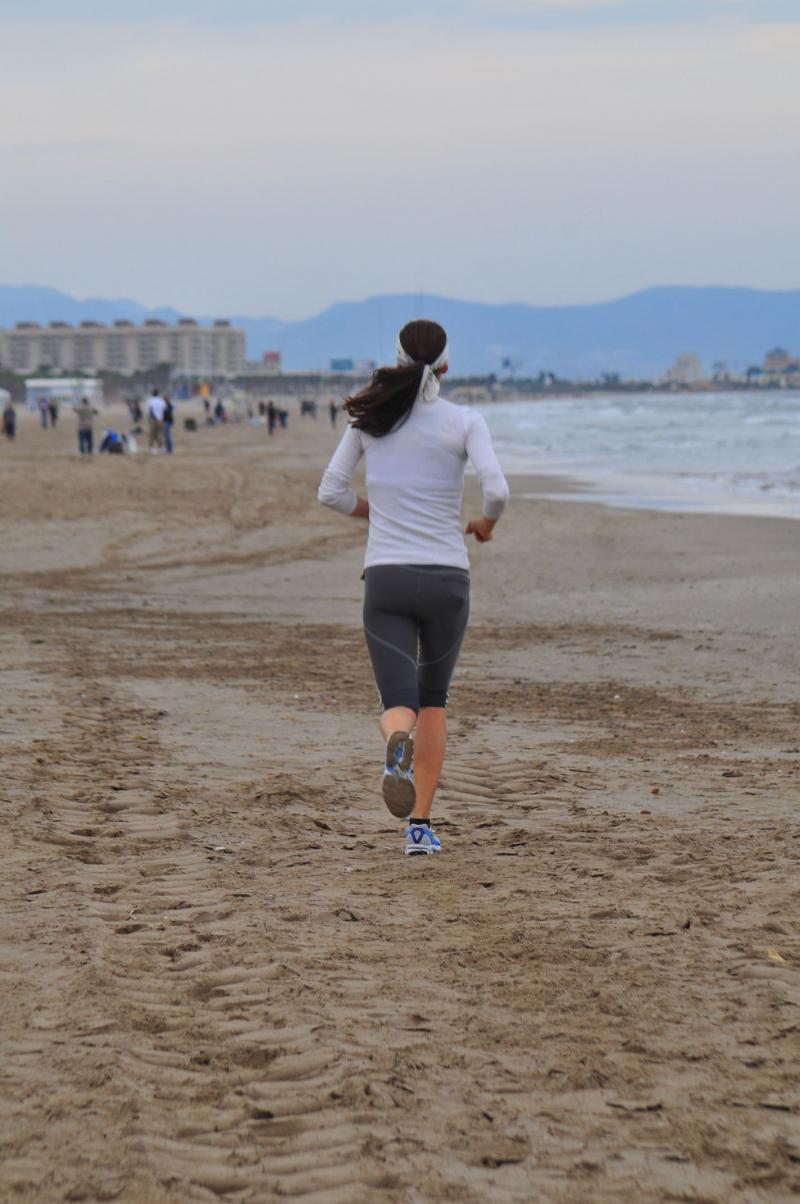 Eine Joggerin läuft am breiten Sandstrand von Valencia entlang; im Hintergrund liegen Küstenbebauung und Berge.
Photo: Alesia Belaya
For a city break, Valencia is a good choice if you want to combine architecture, museums, markets, restaurants and lively streets. Many central attractions are within walking distance or easy to reach by public transport. The city beach adds another option, but it won’t replace a traditional seaside resort for every traveller. If you want to go to the sea every day, check the distance between your accommodation and the beach carefully, or spend part of your stay on the coast.
A beach holiday is most relaxing when your accommodation, the beach and everyday amenities are all conveniently located. A town with a lively promenade offers very different evenings from a smaller coastal spot with a quieter pace. Families often look for short walks, shade, shops and accommodation with suitable rooms. If you enjoy walking, swimming and going out in the evening, a central location may matter more to you. Compare the type of beach, access and surroundings rather than choosing solely by the name of a well-known resort.
A touring holiday offers more variety, but calls for realistic travel stages. The region stretches a long way, and changing location every day takes time for packing and driving. With two or three bases, you can combine culture, coast and inland scenery without moving every night. For a short trip, one base is usually better; for a longer holiday, switching between the city and the coast can make sense.
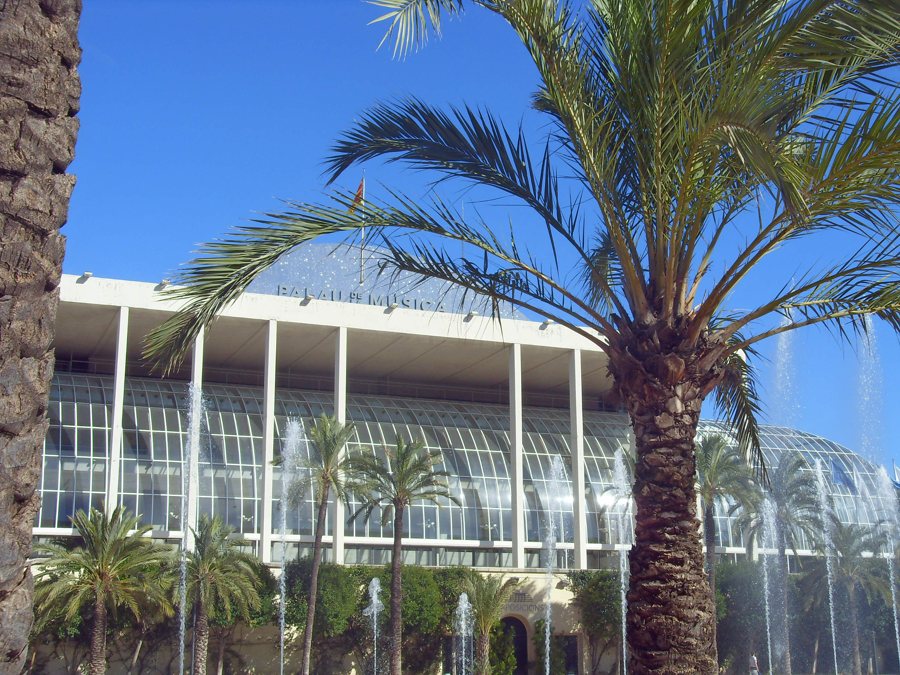
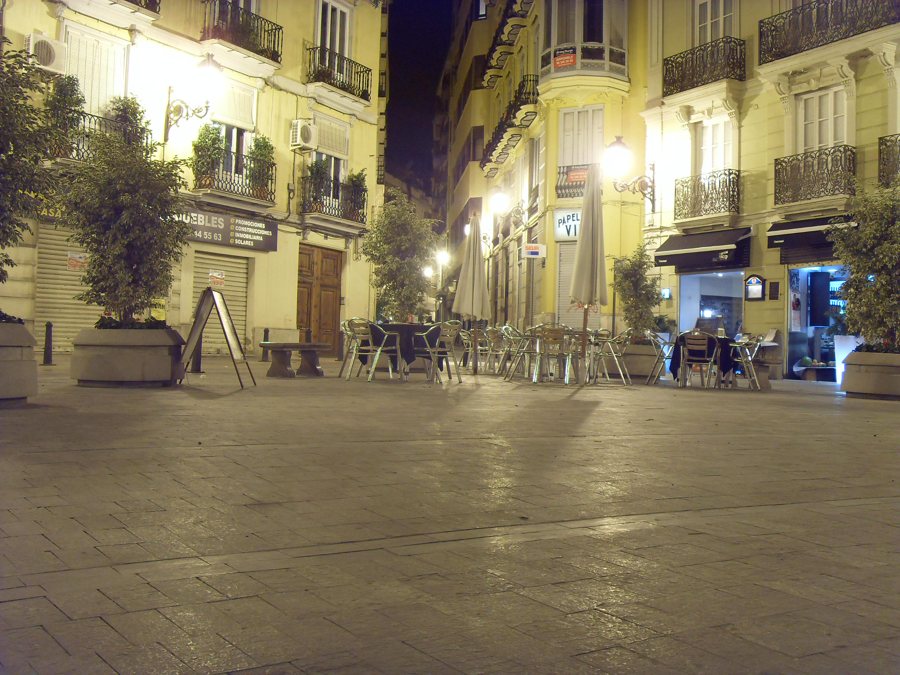
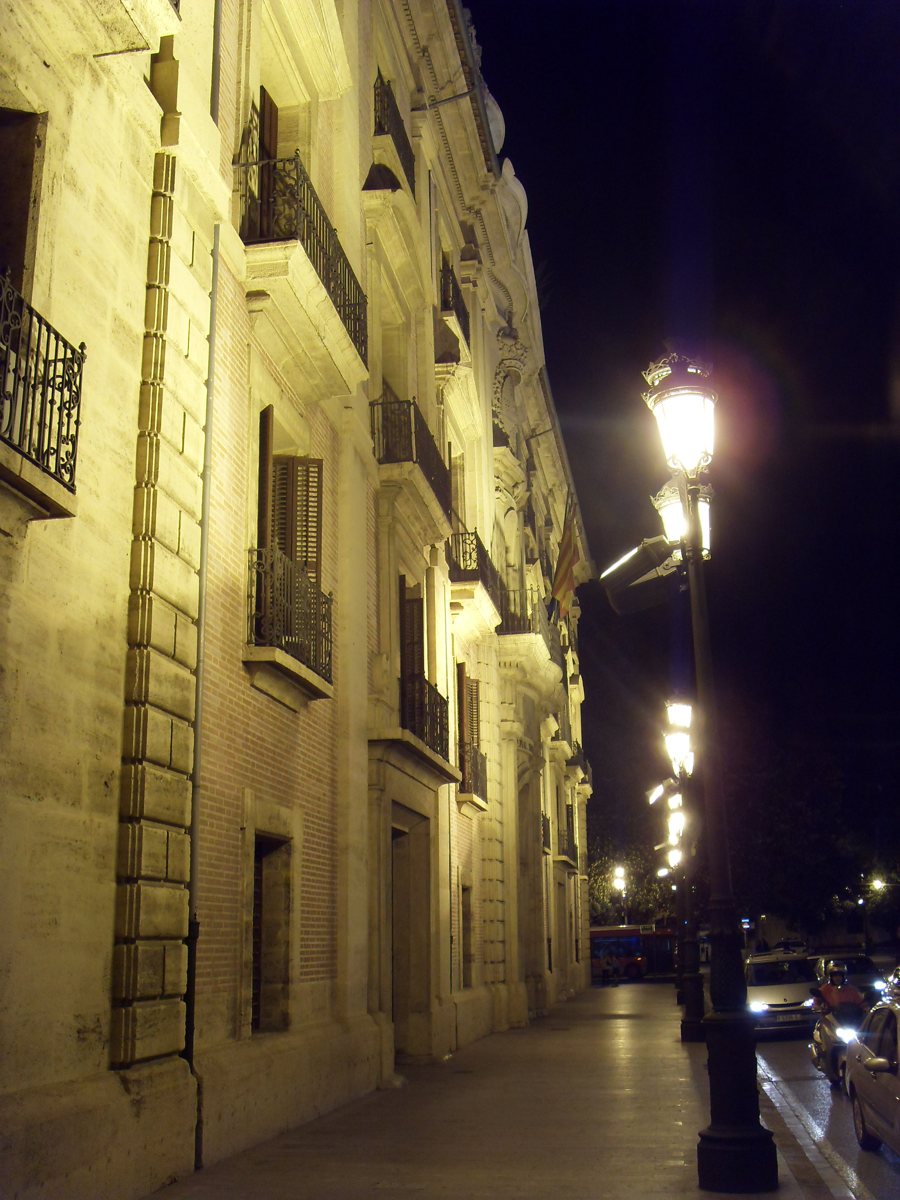
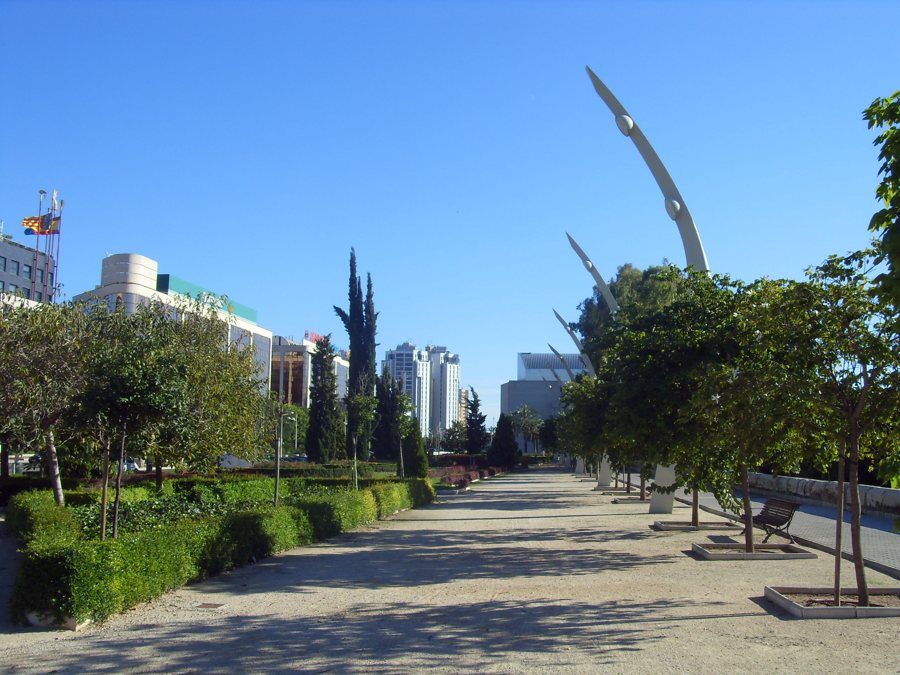
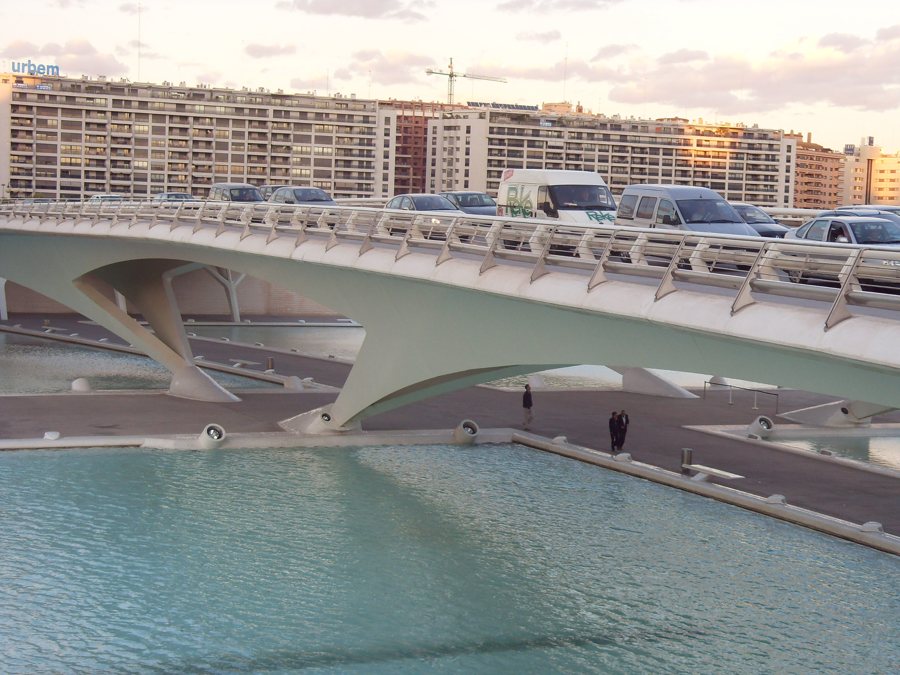
In the capital, historic squares and religious buildings sit alongside modern architecture and spacious public areas. The former Turia riverbed forms a long green corridor linking different parts of the city. The City of Arts and Sciences is an attraction in its own right; allow plenty of time for a visit and check which buildings or exhibitions you actually want to see. That leaves room for other neighbourhoods, a café break or a trip to the sea.
The Mercado Central and the surrounding streets are a great introduction to the city’s culinary scene. Regional rice dishes, vegetables, fish and horchata made from tiger nuts are all part of the local fare, though menus and preparation vary from one restaurant to another. If a particular museum, concert or popular attraction is important to your trip, check opening hours, tickets and access requirements in advance. An itinerary with just a few fixed bookings is easier to adapt to the weather and your own interests.
The central coast offers a chance to combine the city and the sea. Places such as Cullera, Gandia and Oliva differ in size, proximity to the beach and range of day trips. Further north, the Costa del Azahar draws visitors to coastal towns and destinations such as Peñíscola; in the south, the Costa Blanca is an extensive destination with many well-known resorts. The names of the coastal stretches offer only a general guide—the specific beach, location of your accommodation and connections to the places you want to visit are what matter.
There’s more to choosing a beach than sand or pebbles. Check access, walking distance, shade, showers and seasonal services, as well as current water and weather conditions. Facilities can vary by municipality and time of year. Conditions may change in strong winds, high temperatures or rough seas, so follow local advice and flag warnings. If you’re travelling with children or want to avoid long walks, easy beach access and proximity to toilets or places to eat may matter more than a particularly famous name.
Albufera Natural Park lies south of the capital and brings together a lagoon, wetlands, rice fields and coastal scenery. A visit might include a boat trip, a walk or a meal nearby. Protected areas have sensitive habitats: stick to permitted paths, follow local restrictions and plan your journey there and back. Services and access options may vary with the season.
The inland area is also worth exploring if you’d like to discover historic centres and scenery away from the coast. Xàtiva is known for its castle and old town, Sagunt for its hilltop castle and Roman remains, and Buñol for its inland setting and a highly popular annual festival. For walks and nature trips, take account of the temperature, shade, elevation and any current closures. The region’s natural parks offer more ideas, but check local information when planning specific routes.
Spring and autumn are often good times for longer walks, sightseeing and day trips. In summer, beach holidays take centre stage; for cultural activities, the early hours and a slower pace around midday can be more pleasant. In winter, you might focus on the city, food and museums, though daylight hours and seasonal opening times can affect your plans. The weather isn’t something you can plan around with certainty: check the local forecast shortly before heading out, especially for hikes, boat trips and activities on the water.
Major festivals and events can be a highlight of your stay. However, they may also bring changes to traffic and access, as well as increased demand for accommodation. If you’re travelling for a particular event, book your base well in advance and check the programme with the relevant municipality or event organiser. If you’d rather be spontaneous, choose a time without a major event and leave a few days unplanned.
A central place to stay in Valencia can work well if you plan to get around mostly on foot, by metro or by bus. For daily beach trips, staying close to the shore is more convenient. A car can be useful for an inland stay or visits to several smaller coastal towns; in the city, though, it can mean spending extra time looking for parking. Consider whether you can pick up a rental car after your days in the city.
A few practical questions can help you choose accommodation: How far is the nearest beach that suits you? Is there a supermarket within easy reach? Is the accommodation on a noisy nightlife street or in a quieter residential neighbourhood? Are there stairs, a lift or step-free access? What are the arrangements for arrival, check-in and parking? The accommodation options in Valencia are easier to assess once you’ve sketched out how you expect to spend your days.
Three days: Spend two days exploring the central neighbourhoods and set aside the third for the beach or a nearby day trip. This keeps the trip varied without having to travel long distances every day.
One week: Combine several neighbourhoods, the City of Arts and Sciences, and a day at the beach and a day in nature. If swimming and sunbathing are your main priorities, choose a coastal town instead and plan just one trip into the city.
Ten days or longer: Split your stay between the city and the coast, or add a base in the north or south. Choose places that suit your interests and check the direct connection before moving on. Avoid daily itineraries that combine destinations far apart from one another.
Yes. Valencia combines culture with a city beach. For longer stays by the sea, an additional base on the coast may be more convenient.
It depends on what you’re looking for: the central coast is easy to combine with Valencia, while the Costa del Azahar and Costa Blanca include different coastal towns and areas to explore. Compare the exact location of your accommodation.
Not for every kind of holiday. In the city, walking and public transport are often enough. A car gives you more flexibility if you’re changing locations frequently, visiting smaller towns or heading to some nature destinations.
Usually, one or two bases are enough. Fewer moves leave more time to enjoy each place and make it easier to change plans spontaneously.
The weather, transport timetables, opening hours, reservations and local access rules. At beaches and in nature areas, follow the latest safety advice and protected-area guidance.