
Accessible travel in Valencia
Plan accessible routes with specific information about entrances, lifts, toilets, transport and seasonal services.





A good trip to Valencia starts with deciding exactly where you want to go. Valencia is a city, a province and part of a larger Mediterranean region; Alicante, Castellón, coastal towns and the inland areas are not automatically “just around the corner.” Choosing an airport, accommodation and transport that suit your destination saves time on the way and makes it easier to plan a more relaxed stay. This guide will help you coordinate your arrival, travel dates and getting around.
 Ein Metrozug steht am Bahnsteig der unterirdischen Station Àngel Guimerà in Valencia.
Photo: Alesia Belaya
Ein Metrozug steht am Bahnsteig der unterirdischen Station Àngel Guimerà in Valencia.
Photo: Alesia Belaya
First, note the two or three things that matter most to you: the old town and museums, the beach, nature, food or visiting several places on a round trip. For Valencia city and a compact cultural itinerary, accommodation in the city is usually more practical than a remote beach resort. If you want to swim every day, check how far your accommodation is from the beach you have in mind. For a varied itinerary with different destinations, a central location or a second place to stay may make sense.
The autonomous community comprises Castellón, Valencia and Alicante. A destination in the north of the region may call for a different airport and onward journey than a stay in the south. So look beyond straight-line distance and consider rail and bus connections, the last leg after you arrive, and where your accommodation is located. The overview of the provinces and coastlines of the Valencia region can help you narrow down your options.
For Valencia city, Valencia Airport in Manises is the most convenient arrival point. The city’s official visitor information lists metro connections between the airport and the city; buses and taxis are other options. Routes, operating hours, fares and possible construction works can change. Check the current timetable on the day of travel and consider how you will get to your accommodation with your luggage.
For Alicante, Benidorm and many destinations along the southern coast, Alicante–Elche may be a better fit. Castellón is a possible alternative for the north, if there is a suitable connection. The airports differ in terms of flight options, distance and onward travel. A cheap flight is not necessarily the most convenient choice if it means a long journey, a change of transport or an extra day with a rental car once you land. Compare the entire journey to your accommodation, not just the flight time.
If your flight arrives late or departs early, check in advance whether public transport runs at that time and when your accommodation allows check-in. For a group, a taxi or pre-booked transfer may be practical; compare the pickup location, luggage capacity and cancellation terms. If you are renting a car, make sure the location, opening hours, deposit, insurance and fuel policy are clear.
Rail and bus services connect the region’s larger cities. They are particularly useful if you are staying in Valencia, Alicante or another well-connected city and planning occasional excursions. Reaching smaller towns, natural areas or remote beaches may require changes and additional walking. For each planned excursion, check the stop at your destination, the return journey and the last available service. A single missing return connection can affect your day more than the journey time itself.
A rental car gives you more freedom to visit several coastal towns, villages and inland destinations. But it is not useful at every stage of every trip: in Valencia city, parking, one-way streets and access restrictions can make getting around more difficult. A practical option is to spend your days in the city without a car and pick one up only for a later excursion. For a round trip, also check whether the rental company allows you to return the car somewhere else and what the additional cost will be.
Ferries connect ports such as Valencia, Alicante and Dénia with other destinations; sailings and seasonal services depend on the route and operator. If a ferry is part of your trip, check the port, check-in deadline, baggage and vehicle rules, and onward travel after arrival directly with the operator. For a cruise, plan your transfer to the terminal and return journey separately from getting around the city.
The old town is easy to explore on foot, as long as you adjust your daily distances to the temperature and how much walking you want to do. For longer journeys, the metro, tram and city buses provide additional options. The best combination depends on whether you are visiting nearby sights, heading to the beach or staying outside the centre. Save the stop nearest your accommodation and check whether a different timetable applies at night or on Sundays and public holidays.
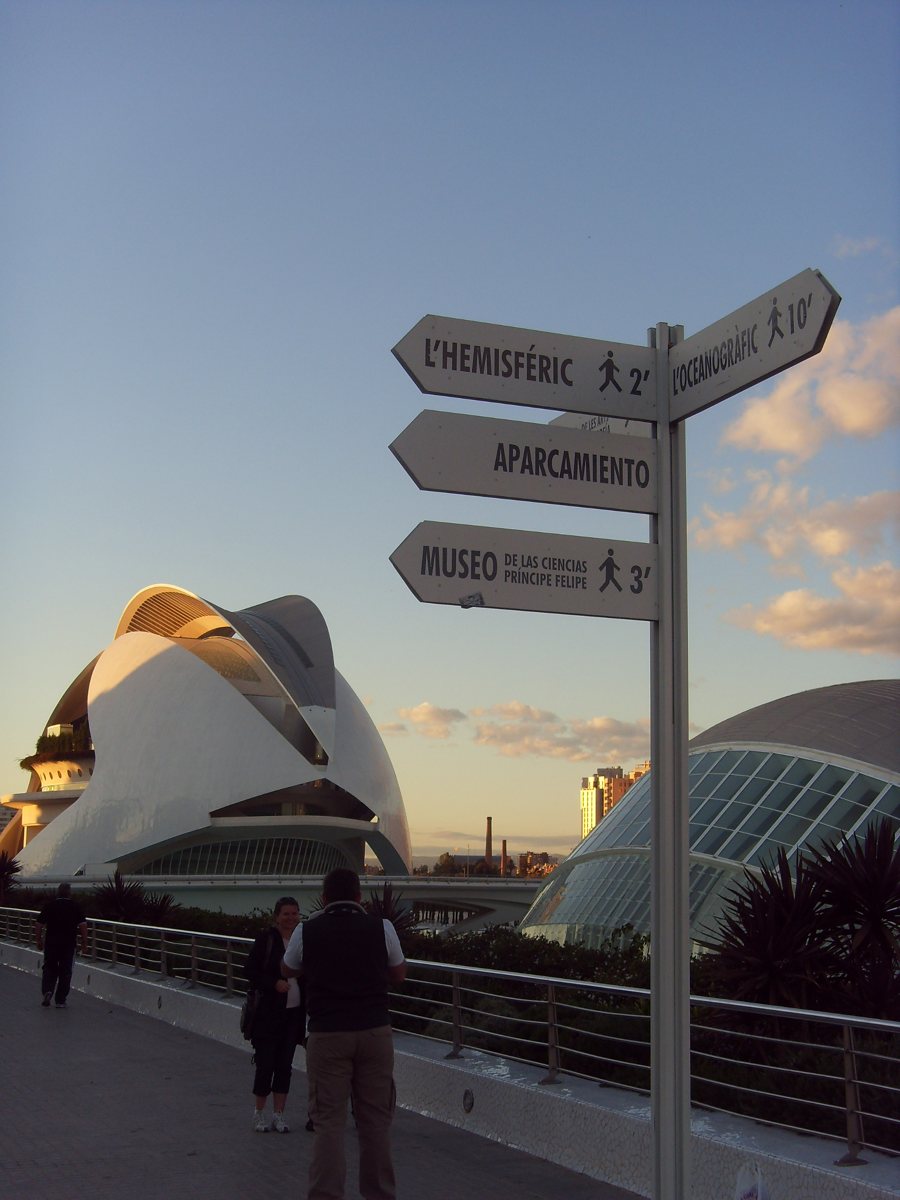
The historic centre and the modern City of Arts and Sciences complex are not right next to each other. Allow realistic transfer time for your visit and group nearby destinations together rather than crossing the city and doubling back. If you want to go to the beach, you can use public transport; check which specific beach area you are heading to and how far it is from the stop. For an overview of routes and planning your visit, see Visit Valencia: Getting around the city.
Spring and autumn are often pleasant for walks, sightseeing and excursions, as your daily plans may be less affected by summer heat. In summer, the beach and coast take centre stage; sightseeing is often best done early or later in the day, with breaks in the shade. A city and culture-focused trip is possible in winter, too, but take daylight hours, weather and seasonal opening times into account when making your plans. The climate differs between the coast and inland areas.
Don’t choose your travel dates based only on general climate averages. Check the forecast for your dates, local event schedules and seasonal services at your specific destination. Festivals can make a trip especially appealing, but accommodation and transport may also be in greater demand. If you prefer a quieter visit, look at dates outside the main holiday and festival periods. Beach services, lifeguards, boat trips and individual attractions may vary by season.
Staying near a convenient stop may make a rental car unnecessary. On the other hand, a remote holiday home may be ideal with a car but impractical without one. Check the location, hills, walking routes, nearby shops and connections to the places you actually want to visit. For families or travellers with limited mobility, a lift, step-free access, short distances and reliable return options are important factors to consider.
You can combine the city and beach without changing accommodation if a city beach is enough for an occasional swim. If you want to spend several days on a quieter stretch of coast, a second place to stay may save you daily journeys. The guide to choosing accommodation in Valencia and the article on a beach holiday in the region offer further guidance. Before booking, check what is included in the price, what the cancellation policy is and whether the actual location suits your plans.
For a three-day trip, it is best to focus on Valencia city and choose one additional priority, such as a day at the beach or an excursion. With five to seven days, you can combine the city with a coastal town or an inland destination. Don’t fill every day with activities: leave time for getting around, breaks and spontaneous changes. For a longer round trip, two or three bases are often more comfortable than packing your bags every day. Before you go, make a note only of the connections that are critical for your arrival, return journey or booked activities.
A quick checklist before departure can help: Do your airport and accommodation location make sense together? Is there a connection available after you arrive? Do you need a rental car for the entire trip? Do you need tickets or reservations? How will you get back after a late night out? Opening hours, fares and timetables can change, so check them on the transport operators’ and organisers’ websites just before your trip.
Valencia Airport in Manises is the most convenient for the city. For other provinces, Alicante–Elche or Castellón may be a better option, depending on your destination and the available flights.
Usually not if you are only staying in the city. You can reach many areas on foot and by public transport; a car is mainly useful for visiting other places and taking flexible excursions.
Larger cities and some coastal towns are connected. For smaller towns and natural attractions, check transfers, walking distances and return times for your specific journey.
Check them when planning and again shortly before travelling, especially if you are arriving late, travelling on a Sunday or public holiday, or using seasonal services.
For the occasional beach day, you can stay in Valencia city and travel to the city beach. For a longer beach holiday, a second base on the coast may be more convenient.
