
Sailing and yacht charter in the Valencia region
The Valencia region is more than just the city of Valencia: its Mediterranean coastline stretches across the provinces of Castellón, Valencia and Alicante. This means there are very different starting points for a sailing holiday, from the ports around Castellón and Valencia to the marinas of the Costa Blanca. The best base depends above all on your route, boat, season and preferred facilities. Please confirm berth availability, charter options and excursions directly with the relevant port or provider before travelling.
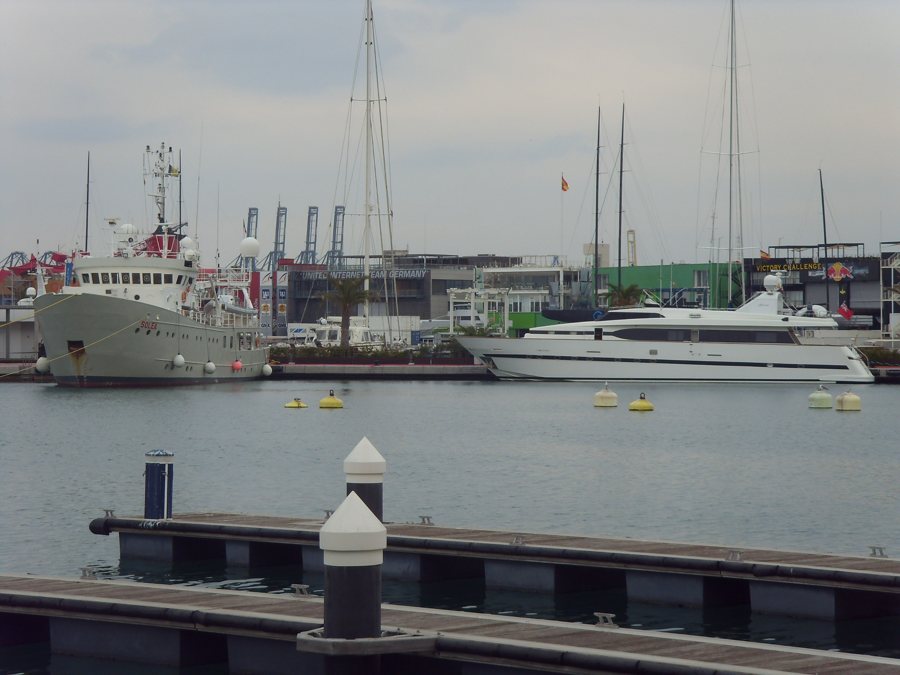 Yacht und weitere Schiffe im Hafen von Valencia
Photo: Markus Lenk
Yacht und weitere Schiffe im Hafen von Valencia
Photo: Markus Lenk
Yachting across three coastal areas
Castellón and the Costa del Azahar: In the north are Vinaròs, Benicarló, Peñíscola, Orpesa, Castelló de la Plana and Burriana, among others. This stretch of coast combines port towns with long sandy beaches and rockier sections. Depending on your route, possible starting points include Peñíscola, Orpesa, or the ports of Castelló and Burriana. If you’re planning a stop ashore, find out more about Castellón, Orpesa and Peñíscola.
Province of Valencia: Marinas and ports range from Canet d’en Berenguer and La Pobla de Farnals through the city of Valencia to El Perelló, Cullera, Gandia and Oliva. Valencia city is a good choice if you want to combine time by the water with museums, dining and sightseeing; smaller coastal towns offer a different setting. The travel tips for Valencia city can help you plan your time ashore.
Alicante and the Costa Blanca: North and south of the city of Alicante are Dénia, Xàbia, Moraira, Calpe, Altea, Benidorm, Santa Pola and Torrevieja, among others. The coastline, coves and character of the ports change over relatively short distances. For a northern starting point, Dénia is a natural option to consider; farther south, Alicante offers a city and port base. An overview of the coastal area is available on the page about the Costa Blanca. The Costa del Azahar covers the northern coastal area.
Chartering: choosing the right boat, crew and cruising area
Before booking, decide whether you want a sailing boat, motor yacht or catamaran, and how many people will be on board. With a bareboat charter, you operate the boat yourself; the required qualifications and the skipper’s experience must therefore be appropriate for the boat class and cruising area. With a skippered charter, a professional takes care of navigation and knows local procedures. Availability, qualifications, deposit, insurance, fuel and any additional costs vary by contract, so clarify these points in writing before paying.
A day trip has different requirements from a multi-day coastal cruise. For a short outing, consider the embarkation point, duration and return time. For a trip lasting several days, plan realistic legs, safe alternatives and suitable overnight or berth options. Not every marina is suitable for every boat or spontaneous stopover; check the draft, length, beam and booking procedures directly.
Comparing ports and marinas
A port is more than a point on the map. Before choosing one, compare how to get there from the airport or railway station, parking options, access to the pontoon, provisions for the boat and distance to shops and accommodation. Also check whether the provider actually embarks and disembarks passengers at the port you want, or merely arranges excursions from there. Services and opening hours may vary by season. The official directory of marinas and sports harbours in the Valencia region provides an overview organised by coastal town; the port must confirm specific availability.
For a fair comparison, don’t look only at the daily or weekly price. Ask whether final cleaning, bed linen, safety equipment, dinghy, fuel, port fees and any skipper charges are included or billed separately. Also confirm when the boat must be collected and returned, and what applies in the event of a delay, technical problem or weather-related cancellation. This makes it easier to compare offers with different inclusions.
Planning for weather, season and safety
Even in sunny summer weather, wind, sea conditions, visibility and local warnings matter. A favourable beach forecast does not automatically mean conditions are suitable for a boat trip. Before setting sail, check the weather forecast and port authority notices, inspect the life-saving and safety equipment, and decide on a return time and alternative harbour. If you have little experience, choose a shorter guided trip or hire a skipper rather than planning a challenging route yourself. The decision to set sail rests with the skipper in charge; providers may change or cancel trips when conditions are unsuitable.
For a multi-day trip, also take the crew’s needs into account: seasickness, breaks, shade, drinking water and storage space can all affect the right boat size and length of each leg. If you’re travelling with children or anyone with limited mobility, ask in advance about access to the pontoon, boarding the boat and the safety equipment available. These details vary by vessel and port, so the most reliable way to confirm them is directly.
Shore visits and coastal excursions
Yachting can be combined with time ashore: in Castellón, coastal towns such as Peñíscola and Orpesa are inviting places to visit; Valencia pairs a port with a major city, while the Costa Blanca offers a succession of ports and resort towns with differing characters. Allow enough time for shore visits: distances, traffic, seasonal opening hours and the return to the boat can all affect how long you need. Protected natural areas and islands have their own rules; landing, anchoring and other activities may be restricted. Check with the relevant authorities in advance and respect marked protected zones.
The Columbretes Islands off the province of Castellón are a protected natural area, not just an ordinary stopover. If you want to include them in your route, check the current access, anchoring and visitor rules, as well as any permits required. Plan an alternative in case the weather or conservation rules prevent a visit. Seasonal restrictions may also apply in other sensitive coastal areas.
Frequently asked questions about yachting in the Valencia region
Does Valencia refer only to the city?
No. This page covers the entire Valencia region, including coastal towns in the provinces of Castellón, Valencia and Alicante. The city of Valencia is just one of the possible starting points and places to stay.
Where can I charter a yacht in the region?
Charter and excursion options are available at various coastal locations. Contact marinas and local providers directly to ask about boat types, departure ports, dates and available services; the options may change with the season.
Can I rent a boat without a skipper?
That depends on the boat, the qualifications required and your proven experience. Before booking, ask for confirmation of which documents are accepted and what requirements apply to that specific boat.
Which coastal area is a good starting point?
It depends on your route and travel plans: Castellón is in the north, the city of Valencia combines a port with culture, and Dénia or Alicante are possible bases on the Costa Blanca. Compare travel arrangements, boat selection, desired legs and shore activities.
Can you go out in any weather?
No. Wind, sea conditions and official notices can affect a trip. Check current conditions and follow the skipper’s or organiser’s decisions; plan an alternative activity ashore.
