
Province of Valencia: discover the city, coast and hinterland
Find accommodation
The province of Valencia brings together a vibrant Mediterranean city, long beaches, wetlands, historic towns and rural landscapes. When planning a trip, it is worth considering the city and its surroundings separately: Valencia city is ideal for culture, architecture and gastronomy; coastal resorts such as Gandia and Oliva lie along the coast, while inland towns such as Xàtiva and Buñol offer their own attractions and excursions.
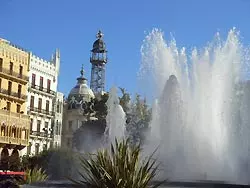 Die Hauptstadt der Region und Provinz Valencia ist voll von Sehenswürdigkeiten. Nicht nur Valencia strände laden die Urlauber ein - eine Städtereise Valencia lohnt allemale!
Photo: M. Lenk
Getting your bearings: city, coast and hinterland
The province lies on Spain’s east coast. Valencia, its capital, makes a good base for a stay of several days and for excursions by train or car. Distances within the province are considerable: a beach day south of the city, a visit to Sagunt in the north and a trip to the mountains are not practical as quick stops to combine in a single day. Plan by region and check connections for the specific day of your trip.
In the city, the main attractions include the old town, market halls, museums, green spaces and the modern Ciudad de las Artes y las Ciencias. If you want to go to the seaside, you’ll find city beaches around Cabanyal and Malvarrosa; the Albufera Natural Park begins to the south. For an overview of neighbourhoods, sights and places to stay, see the page on Valencia city.
Beaches and nature around Valencia
The province’s coastline is varied. North of the capital, urban and port landscapes meet historic attractions such as Sagunt. To the south are wide beaches and resort towns, including Gandia and Oliva. Beaches differ in their facilities, development and atmosphere; check local swimming conditions, flags, access points and seasonal services before you go. For comparison with neighbouring coastal regions, see the pages on the Costa del Azahar and the Costa Blanca.
The Albufera Natural Park protects a lagoon and wetland landscape south of the city. Visitors can use viewpoints and designated paths; local operators organise boat trips. It is important to be considerate: stay on permitted paths, follow conservation and access notices, and plan your visit to avoid disturbing wildlife. The Generalitat Valenciana publishes information on current visiting conditions.
Towns and excursions
Gandia combines a long city beach with a historic old town. Oliva is worth visiting for its coast and old town; inland, orange groves and country lanes shape the landscape. To the north, routes lead to Sagunt, where Roman heritage and the hilltop castle make for a worthwhile walking tour.
Inland, Xàtiva offers a historic old town and an imposing castle complex visible from afar. Buñol is internationally associated with La Tomatina; the festival has its own dates, admission requirements and ticket rules each year, so check directly with the organiser before travelling. Moraira is already in the neighbouring province of Alicante and makes a good addition to a longer coastal route south.
When to visit and practical planning
The coast and city are popular in summer; sunshine and heat can make sightseeing around midday tiring. Spring and autumn are often good seasons for city walks and excursions, while winter days can be milder than in many parts of Central Europe, though they are not consistently warm or dry. Depending on the season, pack sun protection, drinking water and comfortable shoes. For nature areas and smaller towns, check timetables and opening hours for the day of your visit.
Public transport makes it easy to get around the capital. A rental car can be useful for destinations outside the well-connected urban area; accessibility depends on the destination and season. When planning, compare journey times, parking options and the last return service. Allow extra time for travel and entry when visiting during major events.
Which itinerary suits your stay?
For two or three days, you could focus on Valencia city and add an excursion to the coast or Albufera. With a week, you can combine the city, a seaside resort to the south and one or two historic inland destinations. Families may find it easier to keep travel distances short and avoid packing beach or park time too tightly around museum visits. If you’re travelling without a car, group destinations served by the same train or bus route and check connections for your travel day.
Valencian cuisine is another reason to set aside time for the region. Rice dishes have a long tradition here, though the specific selection and preparation vary from place to place and restaurant to restaurant. For more on local specialities, see the overview of Valencian cuisine.
Frequently asked questions about the province of Valencia
Is Valencia a city or a province?
Both: Valencia is the name of the province and its capital. The Valencian Community also includes the provinces of Alicante and Castellón.
Where are some good seaside resorts?
Gandia and Oliva are well-known destinations south of the capital. The best choice depends on whether you’re looking for urban amenities, peace and quiet, nature or a particular range of beach facilities.
Can I visit Albufera independently?
Yes, you can explore designated areas and paths on your own. Follow conservation rules and check in advance which facilities, paths and boat trips will be available on the day of your visit.
Do I need a rental car?
Usually not for Valencia city. A car can save time if you’re visiting several smaller towns and remote attractions; bus and train connections vary depending on the destination.
When does La Tomatina take place?
The festival is held in Buñol, but its date, admission arrangements and ticket conditions vary from year to year. Check the organiser’s latest information and book only through confirmed channels.
