
Valencia: sights, neighbourhoods and travel tips
Find accommodation
Valencia combines a compact old town, modern architecture, a nine-kilometre-long urban park and wide Mediterranean beaches. For a first visit, three to four days is a good amount of time: one day for the old town, one for the City of Arts and Sciences and Jardín del Turia, and another for the beach, harbour or Albufera. Many journeys can be combined on foot, by bike, or by bus and metro.
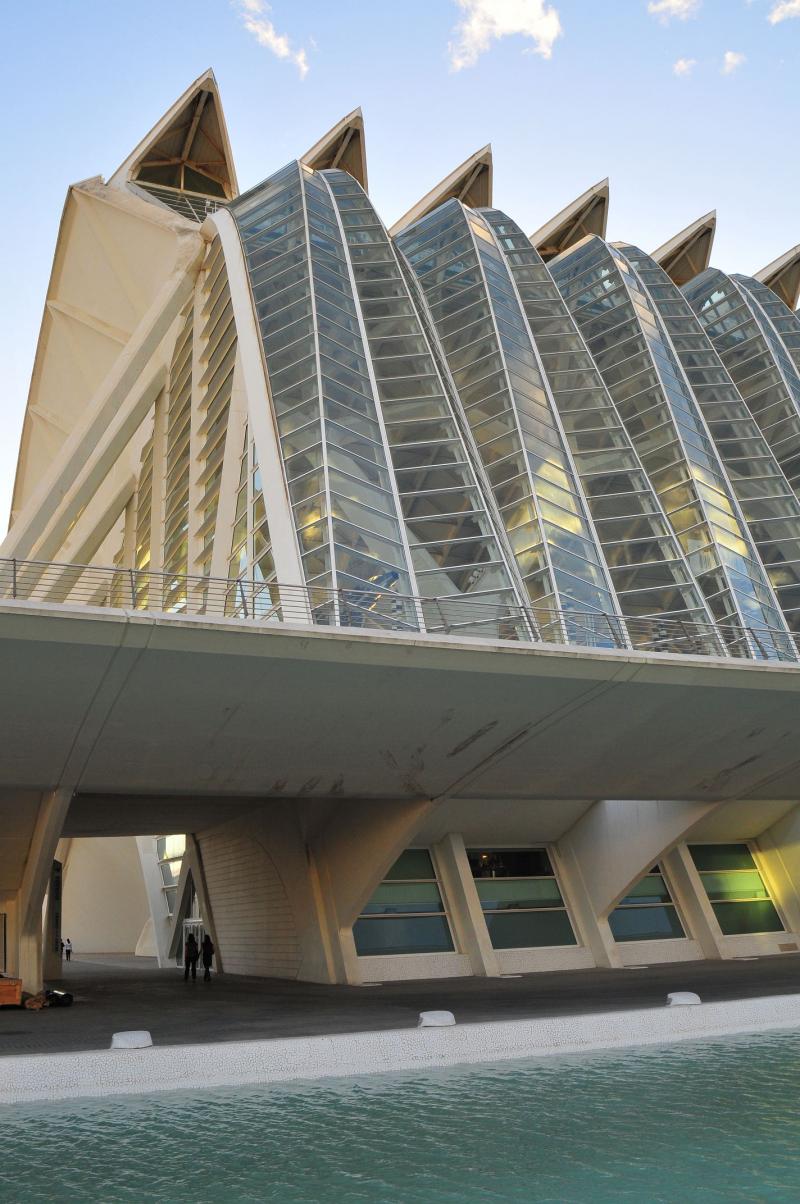 Moderne Glas- und Stahlarchitektur der Stadt der Künste und Wissenschaften in Valencia.
Photo: Alesia Belaya
Valencia at a glance
- Location: Valencia is on Spain’s Mediterranean coast and is the capital of the autonomous community of the same name.
- Recommended stay: Three to four full days is a good basis for exploring the old town, Turia Park, modern architecture and the beach.
- Getting oriented: Ciutat Vella is the historic centre; Jardín del Turia runs as a green corridor all the way to the City of Arts and Sciences.
- Beach: The city beaches lie east of the centre and can be reached by bus, tram, bike or taxi.
- Getting there: Valencia Airport is near Manises, west of the city, and is connected to the metro network.
- Languages: Spanish and Valencian are the official languages; place and street names may appear in either language.
- Planning tip: Check opening hours and admission times for major attractions in advance, especially on weekends and public holidays.
- Day trip: Albufera Natural Park, south of the city, is ideal for rice-growing landscapes, a boat trip and sunset.
What’s worth seeing in Valencia?
Valencia is large enough to offer a variety of neighbourhoods, yet remains manageable for visitors. The main sights are spread across the old town, the former riverbed of the Turia, the modern Ciudad de las Artes y las Ciencias, the harbour districts and the beaches. First-time visitors should avoid trying to squeeze all of these into a single day. Shorter journeys and breaks make a visit much more enjoyable.
For a broader picture of the area, see the overview of the Valencia region and its provinces and coastline. The page on holidays in Valencia offers ideas for the city, beaches, nature and family activities. The official Valencia city tourism website provides up-to-date information on opening hours, tickets and events.
Old town: cathedral, Lonja and Mercado Central
Many of Ciutat Vella’s sights are close together. Around Plaça de la Reina and Plaça de la Mare de Déu are the cathedral, Miguelete Tower and Basílica de la Mare de Déu. A chalice venerated in the cathedral is traditionally associated with the Last Supper. This religious tradition should not be mistaken for definitive historical proof.
A few minutes’ walk away are the Gothic silk exchange, Lonja de la Seda, and Mercado Central. The Lonja is a UNESCO World Heritage Site and recalls Valencia’s importance as a trading city. The market hall is best visited in the morning; individual stalls and food outlets have their own hours. The city’s development, from its Roman founding through Balansiya and the Kingdom of Valencia to the present day, is explained in the history of Valencia.
Jardín del Turia: exploring Valencia on foot and by bike
Jardín del Turia was created in the former riverbed after the Turia was diverted south of the city following the devastating flood of 1957. Today, the long park connects sports facilities, playgrounds, gardens, bridges and cultural venues. It provides a convenient, largely traffic-free route between different parts of the city.
For a bike ride, a good route runs from the old town through Turia Park to the City of Arts and Sciences. Pedestrians should not underestimate the distances: the park is long, and visiting several museums or exhibitions takes additional time. In summer, water, sun protection and breaks in the shade are essential.
City of Arts and Sciences
The Ciudad de las Artes y las Ciencias is Valencia’s best-known modern architectural complex. It includes, among other venues, the Science Museum, Hemisfèric, the Palau de les Arts opera and cultural centre, and Oceanogràfic. Each venue has its own tickets and opening hours; not every building is fully accessible without paying for admission.
If you’re mainly interested in the architecture, you can combine a walk around the outdoor areas and pools with a stroll through Turia Park. However, allow a dedicated block of time for Oceanogràfic, the Science Museum or a performance. Families can find more help with planning at family holidays in Valencia, but should check current opening hours and age-related offers before visiting.
Beach, Cabanyal and the harbour
Valencia’s city beaches are not right next to the old town. Malvarrosa and Cabanyal are wide sandy beaches with a promenade; depending on where you start, the journey from the centre takes considerably longer than a short trip around the city centre. The page on Valencia’s beaches offers help with getting there, location and planning your day.
Between the centre and the sea is El Cabanyal, with colourful façades, narrow streets and a distinct history as a former fishing district. At the harbour, the marina, leisure activities and cruise ship traffic meet. Travellers arriving by ship can find practical information in the guide to the Valencia cruise port and transfers into the city. For a beach day, sun protection, drinking water and checking the current beach flag are more important than packing in too many sightseeing stops.
Paella and food in Valencia
Valencia is considered the home of paella. Traditional Valencian versions differ from the generic rice dishes often served to tourists. If you’re specifically looking to try paella, ask about preparation time, portion sizes and ordering requirements; some restaurants make it only for several people or require advance orders.
Around Mercado Central, in Ruzafa, El Carmen and the neighbourhoods by the sea, there’s a wide variety of places to eat. The best location depends on whether your priority is visiting the market, having dinner, going to the beach or enjoying the nightlife. The overview of Valencian cuisine offers more regional dishes and tips.
Getting from the airport and getting around
Valencia Airport is near Manises, west of the city centre. The metro, a taxi and a pre-booked transfer are all options; if you arrive late, check operating hours and the location of your accommodation before travelling. The comparison of airports for Valencia and the Costa Blanca explains when Alicante or Castellón might be alternatives, despite the longer onward journey.
Many places in the city are within walking distance, but the beach, harbour, Bioparc and Ciudad de las Artes y las Ciencias are not all in the same area. The metro and tram cover some routes, while buses supplement the network. The Valencia travel information explains how to get there, when to travel, local transport and practical preparations. Check current timetables and routes shortly before setting off.
Which neighbourhood is right for your stay?
Ciutat Vella is convenient for historic sights, but can be lively in the evenings. Ruzafa has plenty of restaurants and bars and lies south of the centre. Around the City of Arts and Sciences, modern accommodation puts you closer to the new cultural buildings, while Cabanyal and Malvarrosa are good choices for staying near the beach.
When choosing, consider more than just distance as the crow flies and price. Noise, late check-in, public transport connections and what you plan to do each day also matter. If you’re looking for a holiday rental, browse the Valencia accommodation search. If you have an early departure or a late flight, check the actual connection to the airport separately.
Valencia in three days
Day 1: Explore the old town, including the cathedral, Lonja, Mercado Central and a stroll through El Carmen. Day 2: Jardín del Turia and the City of Arts and Sciences; depending on your interests, visit a museum, Oceanogràfic or just the outdoor areas. Day 3: Cabanyal, the beach and harbour, or a trip to Albufera instead.
A fourth day leaves time for a museum, an unhurried visit to the market, a bike ride or a football match. The page on football in Valencia provides information on clubs, tickets and getting there. Those interested in exploring the city’s historical connections can also read the factual overview of El Cid and Valencia.
If your trip is tied to a specific event, you can plan your travel, entry and accommodation around the trade fairs in Valencia. For a match-day experience, football in Valencia brings together information on clubs, stadiums and safe ways to buy tickets.
Frequently asked questions about Valencia
How many days do you need in Valencia?
Three to four full days are enough for the old town, Turia Park, the City of Arts and Sciences, and a day at the beach or harbour. Allow an extra day for Albufera, several museums or a more relaxed pace.
Is Valencia easy to explore on foot?
The old town is very easy to explore on foot. For the beach, harbour, Bioparc and some modern attractions, a bike, bus, metro or tram is more practical.
Is Valencia right by the sea?
The city extends to the Mediterranean, but the historic centre is several kilometres from the beaches. Allow extra time for the journey.
Which sights should you visit first?
For a first visit, the key areas are the old town, including the Lonja and Mercado Central, Jardín del Turia, the City of Arts and Sciences, and the beach or harbour.
What language is spoken in Valencia?
Spanish and Valencian are the official languages. Visitors will encounter both in everyday life and on signs; the page on Valencian, Spanish and place names explains the main differences.
How do you get from the airport to the city centre?
There are metro connections from Valencia Airport, as well as taxis and transfers. The best option depends on your arrival time, luggage and where you’re staying.
Is Valencia suitable for a holiday with children?
Turia Park, the beaches, playgrounds and various museums offer plenty to do. Take distances, heat and fixed admission times into account when planning each day.
When is the best time to visit Valencia?
Spring and autumn are often pleasant for sightseeing. In summer, the beaches and long evenings are appealing, but the heat and high visitor numbers call for more breaks and advance bookings.
