
Nature Parks and Wildlife in the Valencia Region
The nature parks of the Valencia region range from lagoons and salt flats to coastal mountains, forests and remote islands. Exploring the outdoors offers opportunities to watch birds, learn about plants and experience a wide variety of landscapes. Castellón, Valencia and Alicante each have their own protected areas. A visit is most enjoyable when you check the season, access and conservation rules before you go, and observe wildlife from a respectful distance.
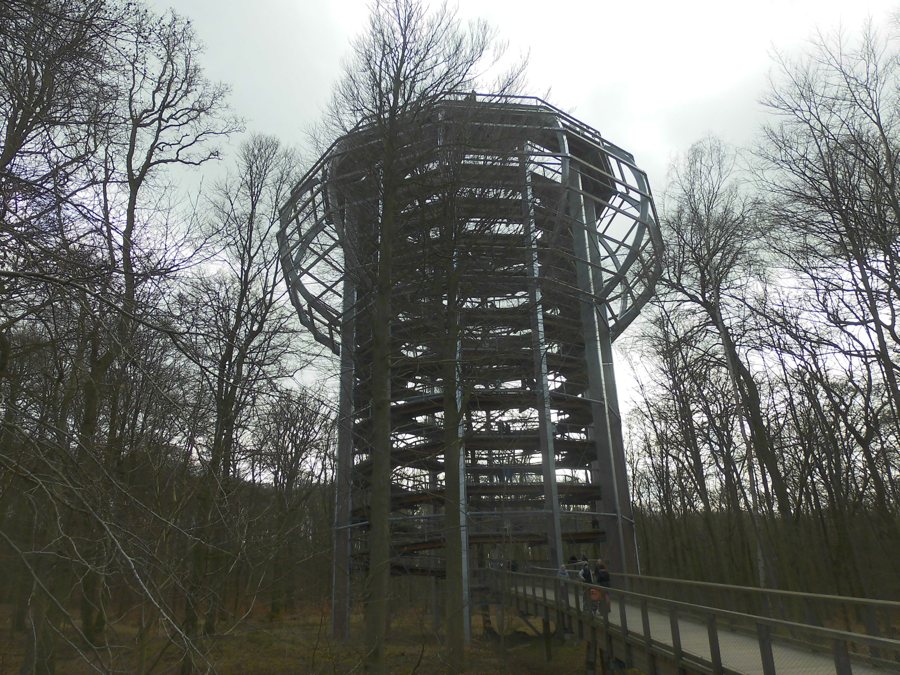 Symbolbild eines Baumwipfelpfads im Naturerbe-Zentrum auf Rügen in Deutschland; zeigt keinen Naturpark in der Region Valencia.
Photo: Bernd Hermann
Wetlands and birdlife
L’Albufera Natural Park, south of the city of Valencia, combines a large freshwater lagoon with rice fields and wetlands. The area is known for its birdlife; the species you may see depend on the season, water levels and where you visit. Viewing areas and trails make it possible to explore on foot. Boat trips on the lagoon are appropriate only where they are permitted and properly organised. Do not feed wildlife or leave designated paths.
El Hondo, near Elche and Crevillent, and other coastal wetlands are also important habitats for waterbirds. In the warmer months, water levels and access may differ from winter conditions. Binoculars, quiet observation and patience are more helpful than approaching wildlife.
Coastal mountains and islands
Montgó Natural Park rises between Dénia and Xàbia, combining mountain scenery with views of the Mediterranean. Hiking trails cross different elevations and habitats; in hot or windy weather, or during closures, not every trail is suitable. Protected areas along the coast include Serra Gelada and Cabo de Sant Antoni, where land and marine habitats meet.
The Columbretes Islands, a volcanic archipelago and marine reserve, lie off the coast of Castellón. Access is restricted, and not every island is open to visitors. Before taking a boat trip, check permits, landing arrangements, the season and the reserve’s rules. Do not assume you can land spontaneously or swim and dive everywhere.
Forests and mountain landscapes inland
Inland, nature parks such as Penyagolosa, the Sierra de Espadán and the Sierra Calderona protect mountain forests, rocky landscapes and traditional cultural landscapes. Marked trails link viewpoints, villages and nature experiences. Some routes are long or steep, so check the distance, elevation gain and water points, and stay on designated trails.
When watching wildlife, remember that animals are not guaranteed to be visible and may be sensitive to noise or close approach. Keep dogs on a leash as required by local rules, leave plants and stones where they are, and avoid using drones. Trails may be temporarily closed when additional conservation measures are in effect.
Choose the right season and visit
Spring and autumn are often good seasons for longer hikes, but the weather and trail conditions determine what is suitable on any given day. Wetlands offer different birdwatching opportunities depending on migration periods; in summer, they are often hot and have little shade. Islands and marine areas need extra planning, as access and boat services may be limited.
Check the official website for each park for current opening hours, warnings, conservation rules, permitted activities and travel information. Public transport and parking options vary from one area to another. Guided tours can combine wildlife watching with local information; choose operators who explain and follow conservation rules.
Tips for a considerate outing
- Stay on marked trails and follow closures and information signs.
- Watch wildlife through binoculars and keep your distance; do not feed or touch animals.
- Bring water, sun protection and plan for breaks—especially in open wetlands and in summer.
- Before an island visit or boat trip, check access, permits and the weather.
- Take your rubbish with you and avoid loud music and drones.
These protected landscapes complement outdoor activities and days at the coast, but they are not recreational parks: trails, access and activities are subject to habitat protection. Checking the latest park information is therefore part of planning your trip.
Frequently asked questions about nature parks and wildlife
Can I always watch birds at L’Albufera?
The area is known for its birdlife, but the species present and the chances of seeing them vary by season and location. Wildlife sightings cannot be guaranteed.
Are the Columbretes Islands open to everyone?
No. The archipelago is protected and access is regulated. Check permits, boat operators and current landing rules in advance.
Can I hike anywhere in nature parks?
No. Use designated trails and follow seasonal closures and conservation regulations.
What is the best season for birdwatching?
It depends on the area and the species. Ask the park authorities for seasonal guidance and suitable viewing locations.
What should I bring?
Water, sun protection, suitable footwear and a map are good essentials. Binoculars make it easier to watch wildlife without getting too close.
Park guide and visitor information: Nature parks of the Valencia region.
