
El Perelló between the Beach, Albufera and Valencian Culture
Accommodation in El Perelló
Beach between the Sea and Albufera
El Perelló lies entirely within La Albufera Natural Park. Playa El Perelló is 850 metres long, an average of 25 metres wide, and has moderate waves, shallow water and golden sand. This means that, when planning your trip, the beach and the natural surroundings stand side by side as two clearly recognisable aspects of the area.
Water, Sports and Paths through the Rice Fields
Playa El Perelló is suitable for windsurfing, flysurfing, kite flying, fishing and beach volleyball. The beach also has lifeguards, first aid, bathing assistance for people with disabilities, public toilets, sports facilities, walkways and children's play areas.
Club Náutico El Perelló is located on the right bank of the canal connecting the sea with La Albufera. It has around fifty public berths and is particularly suitable for leisure boats with a shallow draught. The club also has a sailing school and a ramp providing easy access to the water. At Portet de El Perelló, boat trips, traditional Albufera boat rentals, guided or unguided kayaking trips, and bicycle rental with a cycling tour are available.
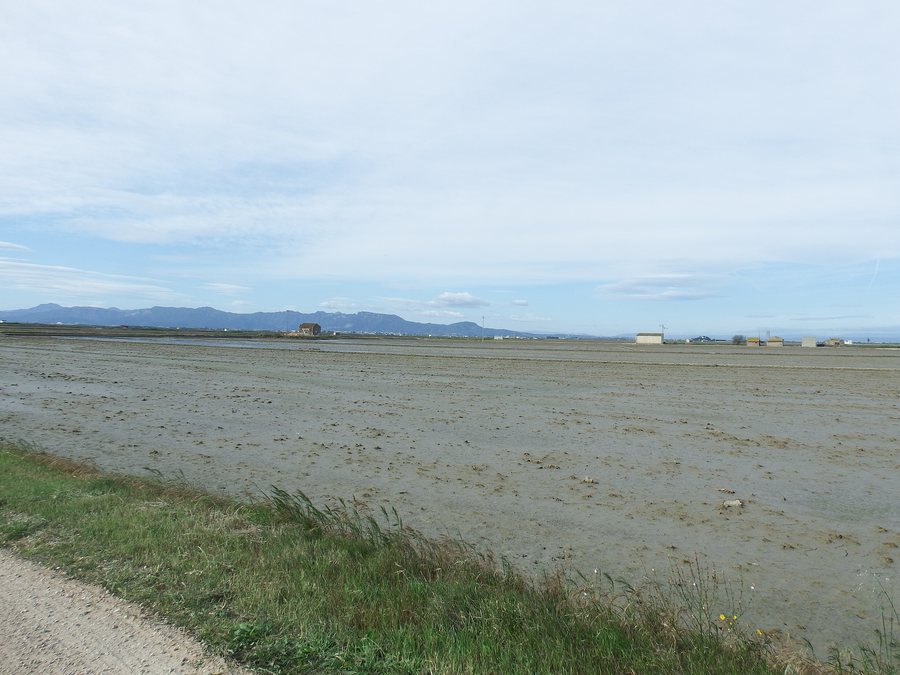
The 14-kilometre Cicloruta al Filtre Verd is a circular route through the rice fields, El Perelló and the Filtre Verd. It can be undertaken independently or as a guided tour. The birdwatching area in the rice fields of Sueca can be reached from El Perelló via the CV-500 towards Muntanyeta dels Sants. Estany de la Plana can also be reached via the access road leading from El Perelló and is suitable for observing waterfowl.
Churches, Portet and Pasarela
Portet de El Perelló was formerly known as Portet del Ravachol and was restored in 2011. Església Vella de Sant Pasqual Bailon was built at the end of the 19th century at the request of the summer visitors who visited El Perelló, and was consecrated on 10 August 1898. It is dedicated to San Pascual Bailón, the town's co-patron, and classified as a Bien de Relevancia Local (BRL). Església Nova was built in the early 1960s; its shape is modelled on a Valencian barraca and it is surrounded by stained-glass windows.
Les Comportes were built in the 1920s or 1930s to regulate the water level in La Albufera. Before the Pasarela was built, they were the most frequently used crossing for the residents of El Perelló and El Perellonet to cross the Pantano from one bank to the other. The 70-metre-long Pasarela connects El Perelló and El Perellonet.
Festivals and Special Dates
The Fira de la Tomaca del Perelló is an annual local festival centred around the Tomaca del Perelló, which is regarded as a symbol of the municipality's identity and tradition. The Fallas in El Perelló have two commissions named Poble Vell and Tró i Flama, which are integrated into the Junta Local Fallera de Sueca. The Fallas week includes the Plantá, the Pasacalles, the Ofrenda and the Cremà.
The programme of the Fiestas de la Purísima in El Perelló includes the parade of the Moros y Cristianos. The celebration in honour of the Virgen del Carmen includes a procession at sea departing from Club Náutico on the evening of 15 July. On the afternoon of 16 July, the image of the Virgen del Carmen is carried in a procession through El Perelló.
Guidance for Your Accommodation
Playa El Perelló can be reached via the CV-500; Metrobus route 190 and EMT route 25 are also connected to it as access options. When choosing a hotel in El Perelló, you can combine this guidance with your own priorities: the beach and water sports, a circular tour through the rice fields, birdwatching, churches, crossings over the water or local festivals.
For the broader travel overview: Sueca.

