
Sinarcas between the Wine Route, Nature and Regional Culture
Accommodation in Sinarcas
Sinarcas between Wine, Trails and Local History
Sinarcas particularly appeals to travellers who do not want to consider wine, nature trails and local culture separately. The municipality is one of the ten municipalities along the Utiel-Requena Wine Route. For active days, the PR-CV 124.1 Sinarcas–Los Cerros offers a 12.80-kilometre circular trail with 310 metres of elevation gain. This makes it possible to experience the area from different perspectives: as a destination for a day of hiking, a stop focused on regional wine, and a place to explore history and crafts.
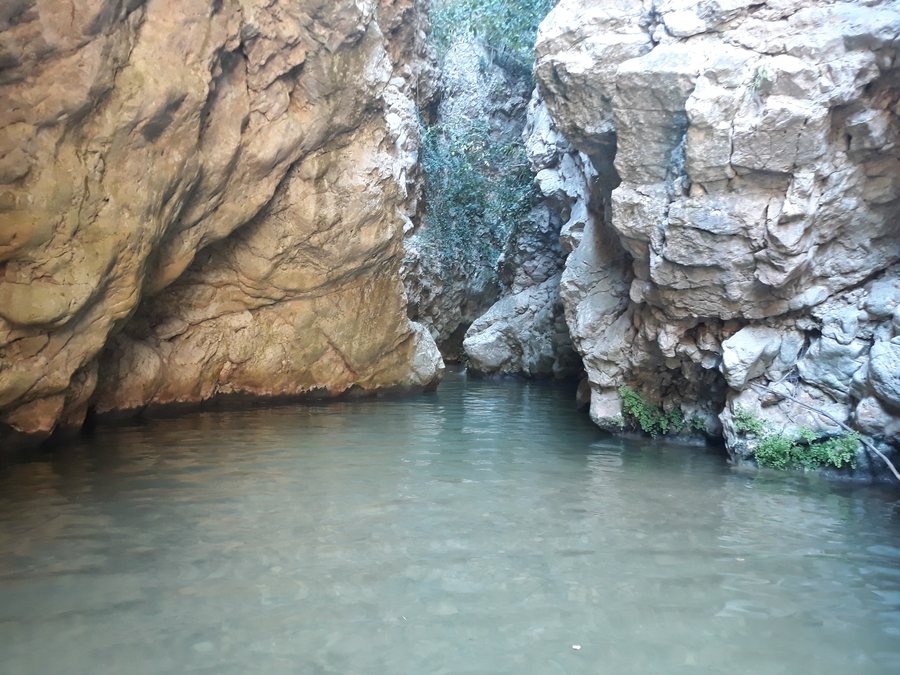 File:2020-08-15 Barranc de las Palomarejas, Sinarcas 01.jpg
Photo: Pacopac via Wikimedia Commons, CC BY-SA 4.0
File:2020-08-15 Barranc de las Palomarejas, Sinarcas 01.jpg
Photo: Pacopac via Wikimedia Commons, CC BY-SA 4.0
Landscape Along Trails and Circular Walks
The PR-CV 124.2 leads through La Toba, El Regajo, Piedra de San Marcos, Las Grajas and to the Ermita de San Marcos. Riverside plants such as willows, poplars, ash trees and elms grow in the Barranco del Regajo. The hermitage is set in a scenic landscape. The Los Lavajos area comprises two small lagoons with aquatic vegetation of endemic species. The Arboretum Mediterráneo features an educational circular walk accessible to everyone, with easily recognisable Mediterranean plant species; Las Hoyuelas has typical riverside vegetation.
Wine, Tastings and Regional Cuisine
Bodegas Sinarcas is a winemaking cooperative founded in 1937, with 200 members and 1,000 hectares of vineyards, where the Bobal grape predominates. The winery offers a visit with explanations of the production processes, a wine tasting and an aperitif featuring regional products. In summer, the offering also includes guided excursions through the hills of Sinarcas and to the Iberian archaeological sites of San Cristóbal and Carpio; they end with a wine tasting.
Churches, Museums and Crafts
The Iglesia de Santiago Apóstol in Sinarcas dates from the 19th century. It contains an image of the Virgen de las Campanillas. The Museo del Cereal is housed in a former flour mill built in 1935, with original historic machinery, and offers guided tours and an audio-guide service all year round. The Ecomuseo del Hábitat Rural is a restored former home of a farming family in the old town. It presents the housing and lifestyle of an agricultural family from the late 19th century. Sinarcas also produces leaded-glass windows and copper-glass work by hand.
Traditions and Options for Your Stay
The local cuisine of Sinarcas includes bread, cured meats, Caldereta, Gazpacho de monte, Patatas en caldo, traditional Burruecos, and local red and rosé wines. The Romería de San Marcos takes place on the last Saturday in April and includes a pilgrimage to the Ermita de San Marcos, a picnic and dancing on the threshing floor. If you are looking for a hotel for your stay in Sinarcas, you can base your choice on the area’s established highlights: circular trails and nature observation, wine and regional cuisine, or museums, traditional festivals and crafts.
More Places to Include in Your Plans
If you would like to add more places to your travel plans, here you will find La Pobla Del Duc, Xeraco, Villalonga, Santa María de Bonaire, Bocairent, Petrés, Cortes De Pallás and La Barraca d'Aigües Vives.
For the overview of the wider region: Valencia.

