
Alboraya between Huerta, Horchata and the Sea
Accommodation in Alboraya
Alboraya brings together the Huerta landscape, the regional tradition of Horchata, historic sites and a distinctive coastal area. This creates a destination where culture, nature, walks and culinary discoveries can be enjoyed together. From Valencia, Alboraya can be reached on Metro lines 3 (Rafelbuñol–Aeropuerto) and 9 (Alboraia Peris Aragón–Ribarroja de Túria).
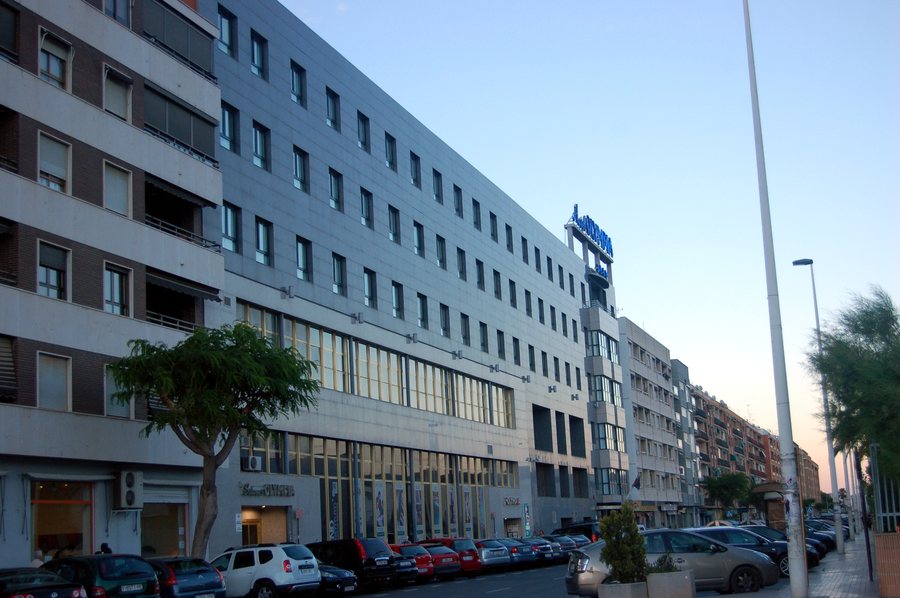 File:Alboraya, Valencia, Spain - panoramio (1).jpg
Photo: radwoc via Wikimedia Commons, CC BY-SA 3.0
File:Alboraya, Valencia, Spain - panoramio (1).jpg
Photo: radwoc via Wikimedia Commons, CC BY-SA 3.0
Huerta, Water and Coast
The Huerta of Alboraya comprises farmland, irrigation channels, rural paths, barracas and alquerías. It is shaped by an irrigation system fed by the Acequia Real de Moncada, the Canal del Turia and other channels, which are managed by the Tribunal de los Aigües and were designed for gravity-fed irrigation. Alboraya belongs to the agricultural area of the historic irrigation system of l’Horta de València, which has been recognised by the FAO as a Globally Important Agricultural Heritage System (GIAHS).
By the sea lies Playa Els Peixets, the only non-urbanised beach in Alboraya. Dunes, golden sand and gravel characterise this stretch of coast. The Barranco del Carraixet near Alboraya is used by waterbirds year-round as a breeding area and during migration as a resting area. In the Alboraya section, a route begins at the crossing over the Barranco del Carraixet and follows the right bank to the mouth. The Vía Verde Xurra also runs through Alboraya, connecting the town with València and other municipalities.
Horchata between Fields and Museum
Traditional Horchata is made by hand every morning in Alboraya’s Horchata establishments. The Orxata Experience takes you to an organic Chufa field, a facility producing natural Horchata and a tasting session. This makes the journey from the agricultural foundation to the drink tangible as a hands-on experience.
The Alquería El Machistre is now home to the Museo de la Horchata y de la Chufa. The museum explains how Horchata is made and Chufa is grown, how these products are marketed today and how this was done two hundred years ago. A guided visit includes the museum, the outdoor areas of the Alquería El Machistre and a Horchata tasting. The Día de la Horchata takes place every year in July, usually on the first or second Wednesday.
Historical Traces in Alboraya
In its historic centre, Alboraya preserves its streetscape, along with rural houses and urban homes in the Modernisme and Art Deco styles from the late 19th and early 20th centuries. El Pont del Moro dates approximately from the late 15th or early 16th century and bears visible traces of wagon wheels. The Casa de Conde de Zanoguera also dates back to the 17th century in terms of its architectural structure.
Today, the Casa de Conde de Zanoguera houses the tourist information office, the headquarters of the “Chufa de Valencia” designation of origin, as well as municipal exhibitions and activities. On Whit Monday, the people of Alboraya celebrate El Miracle dels Peixets with a pilgrimage from the town to the Ermita dels Peixets. It lies by the sea on the right bank of the Barranco del Carraixet and commemorates the miracle dels Peixets, which, according to legend, is said to have taken place here in 1348.
Travelling between Valencia and Alboraya
The Metro connections from Valencia complement the town’s natural and cultural attractions with a clear travel option. When choosing a hotel or other accommodation, you can therefore pay particular attention to whether your trip is intended to focus more on exploring the Huerta, Horchata, the coast, local history or nature observation. The marina of Port Saplaya is known as “la pequeña Venecia”, meaning “little Venice”.
More places to discover: La Barraca d'Aigües Vives, Daimús, Benifairó De Les Valls, Chella, San Rafael Del Río, Massalfassar and Beniarjó.
To the main travel overview: Valencia.

.jpg)