
Corbera between Fortress, Hermitage and Hiking Trails
Accommodation in Corbera
Corbera can be discovered from three distinctive perspectives: through the history of the fortress surrounding the Castillo, through trails with different landscape and cultural connections, and through local cuisine and traditional events.
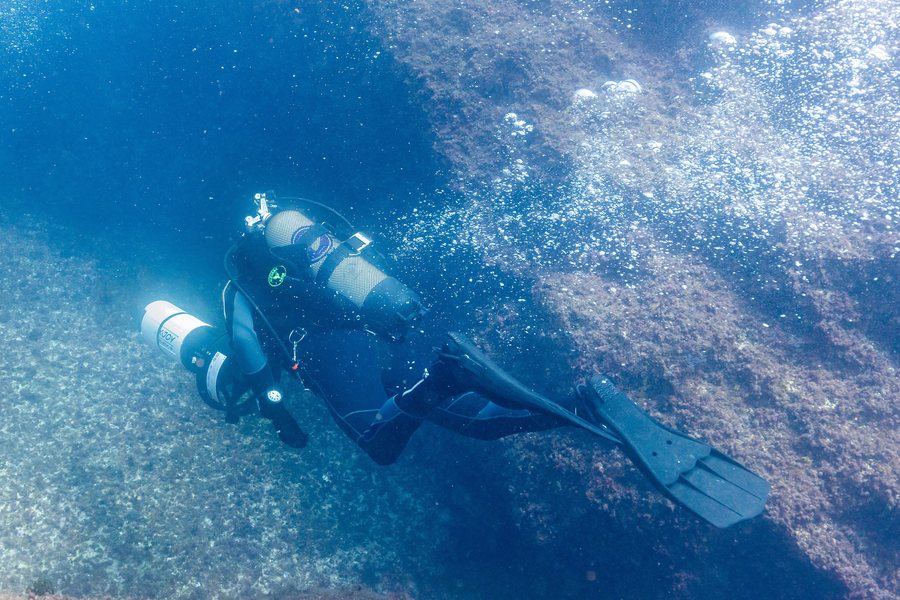 File:Submarinista con propulsor, isla de Corbera, Santander, España, 2019-08-15, DD 71.jpg
Photo: Diego Delso via Wikimedia Commons, CC BY-SA 4.0
File:Submarinista con propulsor, isla de Corbera, Santander, España, 2019-08-15, DD 71.jpg
Photo: Diego Delso via Wikimedia Commons, CC BY-SA 4.0
Fortress and Historical Remains
The Castillo de Corbera stands on a hill about 3 kilometres from the town centre. The fortress, of Islamic origin, was built in the 11th century and stands on Roman remains. The Castillo is also listed as a monument in the General Inventory of Valencian Cultural Heritage. Hill, medieval complex and older traces come together here in one place.
The history of the fortress dates back to the Muslim period, when Corbera was an important stronghold. Until its conquest by Jaume I in 1248, the Castillo was held by the rebel Al-Azraq. This historical context adds to the view of the visible remains of the complex.
Another historical feature is the Arab tower of the Ermita de San Miguel in Corbera. It is registered as a monument in Spain’s Registro General de Bienes de Interés Cultural. The Ermita de Sant Miquel is also a simple church of the Conquest in the transitional style between Romanesque and Gothic.
Limestone, Serra and Protected Landscape
The mountain terrain around Corbera consists of limestone and therefore contains numerous caves, galleries and springs. This geological character is as much a part of the townscape as the historic fortress and explains the various cave-related features of the trails around Corbera.
The Serra de Corbera borders six municipalities along its course, including Corbera. Les Fontanelles is a protected municipal natural area within the municipality of Corbera. The Serra is suitable for climbing and hiking and offers impressive views.
Trails among Canals, Mills and Caves
The trails in the Les Fontanelles area include PR-CV-335, known as “Cavall Bernat”. The route from Les Fontanelles continues to La Murta in the municipality of Alzira. A trail through the Collao de Les Fontanelles also connects Corbera with the Convento de la Murta.
The Ruta de la Naranja runs along irrigation canals and mills. The Ruta de Les Coves begins at the Ermita del Santísimo Cristo de la Fe and leads to caves. Different landscape elements therefore take centre stage: waterways and mills on the one hand, and the limestone formations with their caves on the other.
The route described in connection with a visit to the Castillo de Corbera is about 5 kilometres long and begins at the Plaza Mayor de Corbera. It thus connects the town centre with the historic destination on the hill.
Local Flavours and a Traditional Event
Arròs al forn is a local dish from Corbera. The patron-saint festivities in honour of the Virgen del Castillo de Corbera take place from 1 to 8 September. The fortress, natural surroundings, trails and local traditions give Corbera a range of thematic highlights for a trip to the Valencian hinterland.
Discover More Places
For additional travel ideas, you can also explore Bolbaite, Novelé, Los Cojos, Carlet, Mareny Blau, Sinarcas, Bufali and La Drova.
To the overview of the wider destination: Valencia.

