
Llutxent: Natural Landscapes, Monasteries and Valencian History
Accommodation in Llutxent
Llutxent most clearly reveals its character through its natural landscapes and architectural heritage: El Surar represents protected countryside, while the Castillo Palacio Señorial and the Monasterio del Corpus Christi add historical highlights. Routes such as the PR-CV 434 and the Moros y Cristianos festival tradition complete the picture.
Natural Area of El Surar
El Surar is a municipal nature area within the municipal boundaries of Llutxent and Pinet and is home to the southernmost cork oak forest in the Comunitat Valenciana. At the same time, El Surar is classified as a Site of Community Importance. Two flora micro-reserves, protected animal species and endemic flora are part of this protected area. A pond there provides a habitat in which various amphibian species occur.
Routes through Landscapes and Cultural Heritage
The PR-CV 434 begins at Plaça Major in Llutxent and leaves the town via the GR-236. It passes the dry-stone hut Barraca de pedra seca de Camilo el Xurro. One section of the PR-CV 434 leads either back to Llutxent or onward to El Surar.
The Monasteries Route includes the Monasterio del Corpus Christi in Llutxent. The GR-236 hiking section of the Monasteries Route is more than 90 kilometres long, begins at Gandia railway station, ends at Alzira railway station and is connected to public transport.
Architectural Heritage in the Town Centre
The Castillo Palacio Señorial is a historic monument built in the 14th century in the historic centre of Llutxent and an example of Valencian Gothic architecture. Its rectangular floor plan comprises four corner towers arranged around a central courtyard.
Construction of the Monasterio del Corpus Christi in Llutxent began in 1422. Around 1475, the monastery became a university where art and theology were taught to members of religious orders. The square cloister from the 18th century has five semicircular arches on pilasters. To visit the interior, an appointment must be arranged by telephone.
Churches and Special Features
The Iglesia Parroquial de la Asunción de Nuestra Señora was built in 1868 on a Latin-cross floor plan. It preserves a processional cross from the 16th century and an icon of the Holy Face. Its bell tower was added in 1925 and is approximately 30 metres high.
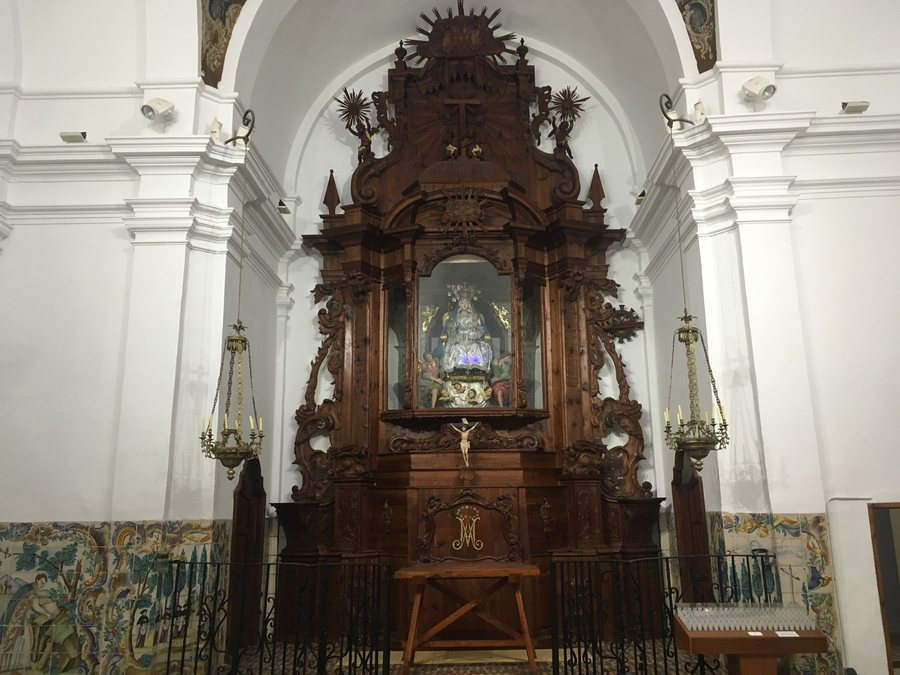
The Ermita de la Consolación was built in the 18th century; its furnishings tell the story of the miracle of the Corporales.
Moros y Cristianos in Llutxent
The Moros y Cristianos celebration includes the Entrada and the Embajadas and has the status of a festival of local tourist interest. The festival tradition is connected with the Miracle dels Corporales and the site of Barranquet de la Sangre.
More Places for Your Travel Plans
If you would like to add more destinations to your trip, you can find Rocafort, Albalat de la Ribera, Masalavés, La Portera, Quartell, La Pobla Del Duc, Siete Aguas and Grau i Platja.
For the higher-level travel overview: Valencia.

