
Puig between Monastery, Coast and Valencian History
Accommodation in Puig
Puig brings together historic buildings, the coast and Valencian cuisine. From the Ermita de Santa Bárbara, you can see the coastal area of El Puig and its surroundings; in the town, panoramic views extend over the town, the sea, the Huerta and the Sierra Calderona. Culture, sea and landscape appear here as different facets of your travel planning.
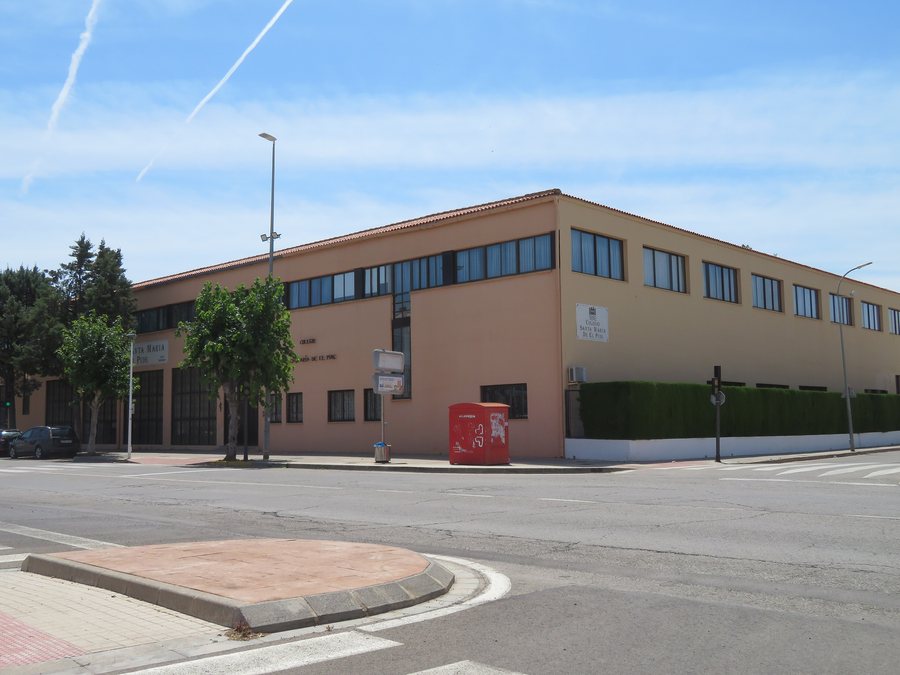 File:Colegio de Santa María de El Puig, provincia de Valencia.jpg
Photo: Juan Emilio Prades Bel via Wikimedia Commons, CC BY 4.0
File:Colegio de Santa María de El Puig, provincia de Valencia.jpg
Photo: Juan Emilio Prades Bel via Wikimedia Commons, CC BY 4.0
Monastery, Charterhouse and Printing
The Cartuja de Ara Christi was built in 1585. Its complex includes a church, a main cloister, two smaller cloisters, a chapter house, a refectory, gardens and stables. In 1996, it was classified as a Bien de Interés Cultural in the Monument category.
The Royal Monastery of Santa María del Puig also preserves important historic rooms. The original single-nave church was built in 1238 on the orders of James I. The monastery includes two cloisters, a Gothic hall, the Salón Real, the Hall of the Order of the Knights of el Puig and the church. Guided tours of the main rooms are available.
The monastery also houses the Museu de la Impremta i de les Arts Gràfiques (Museum of Printing and Graphic Arts). It comprises three independent yet complementary collections on the history of printing and the graphic arts in the Comunitat Valenciana. The museum is located in several rooms of the monastery and is considered Spain’s first printing museum and Europe’s second most important printing museum after the museum in Mainz.
Places of Remembrance and Coastal Views
The Ermita de Sant Jordi commemorates the Battle of El Puig in 1237, which took place at the site of the chapel. Inside are allegorical mosaics depicting the battle. As part of the theatrical route „La espada perdida de Jaume I“, the chapel can be visited by prior reservation.
The Torre de Guaita was built in the second half of the 16th century to defend against Algerian pirates and was classified as a Bien de Interés Cultural in 2002. Together with the monasteries and chapels, it shows how varied the historical themes in Puig are.
Playa de Santa Elvira-La Torreta is 750 metres long and consists of sand, rubble and gravel. A series of groynes forms small coves there. The beaches of El Puig have sanitary facilities, children’s playgrounds, sports areas, walkways and a surveillance service. Play-Puig beach also has an accessible beach point.
Walks, Nature and Regional Cuisine
The „Gymkana familiar en la naturaleza“ leads through the beaches of El Puig. Along the way, visitors learn about the flora and fauna of the dune ecosystems and complete entertaining tasks. The „ruta de las esculturas“ is a self-guided walk during which you can discover eleven works by important Valencian artists.
El Puig also has its own culinary highlights. You can try Mediterranean dishes such as „arròs a banda“, „arròs del senyoret“, „fideuà de pato“ and „Olla de Santa Pere“. The Jornadas Gastronómicas del Puig always take place in spring. The menus of local restaurants feature dishes whose common element is traditional seasonal vegetables from the comarca de l’Horta Nord.
When choosing your accommodation in Puig, you can therefore weigh different interests: historic rooms and guided tours, beach days with specific facilities, a nature trail through the dunes or regional dishes. The panoramic views of the town, sea, Huerta and Sierra Calderona add a landscape perspective to this selection, without limiting the town to just one type of trip.
Discover More Places
Cortes De Pallás, Gestalgar, Rocafort, Daimús, Bellreguard, Polinyà De Xúquer, Gilet and Xirivella
For the higher-level travel overview: Valencia.

