
Festivals and Events in Valencia: Las Fallas, Processions and Tips
Valencia can be enjoyed throughout the year through its festivals, parades, music and major public events. The best known are Las Fallas in March; religious processions, summer cultural programmes and local celebrations also shape the calendar. If you’re planning a trip around one of them, bear in mind that dates, access, road closures and transport arrangements vary from year to year and by event. Check the latest programme shortly before booking, and allow extra time on major festival days.
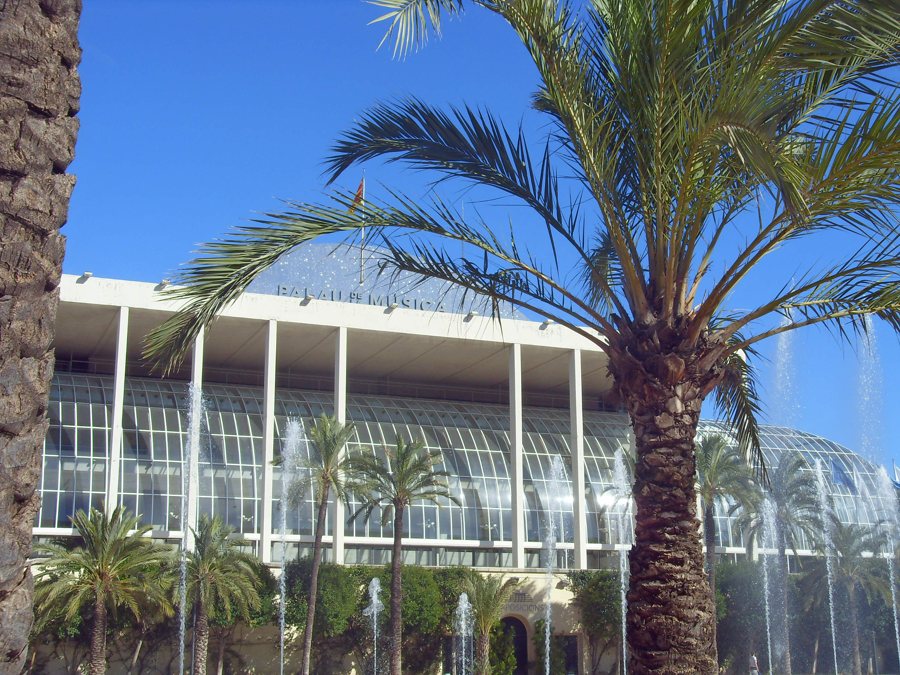 Palau de la Música stands among palm trees and fountains in Valencia’s Turia Gardens.
Photo: Markus Lenk
Palau de la Música stands among palm trees and fountains in Valencia’s Turia Gardens.
Photo: Markus Lenk
Valencia festivals: the essentials at a glance
- Las Fallas: the city’s major festival in March, with figures, music, fireworks and the Cremà.
- Semana Santa Marinera: processions in the coastal districts during Holy Week.
- Corpus Christi: a traditional procession featuring historic customs, usually in early summer.
- Summer: concerts, stage programmes and neighbourhood festivals; exact dates vary.
- In the region: including La Tomatina in Buñol and the Moros y Cristianos festivals.
Valencia is also a city for sports, trade fairs and cultural events. If you’d like to combine your visit with a match or a trade fair, see our guides to football and match days in Valencia and to Feria Valencia and its trade fair programme.
Las Fallas: Valencia’s most famous festival
Las Fallas is celebrated in Valencia every year in March. Around the feast day of Saint Joseph on 19 March, elaborately crafted, often satirical figures—the fallas—fill the streets and squares. The larger works are eventually burned during the Cremà. Only a few figures, known as ninots indultats, are spared from the flames. The festival is more than a single parade: in the days leading up to it, installations, music, traditional dress, processions and fireworks become part of the city’s streetscape. The exact schedule and locations vary according to the programme and neighbourhood.
One well-known event is the Mascletà, a loud pyrotechnic display of explosive bangs. During Las Fallas, the city centre can be very crowded and noisy. If you’re sensitive to noise, travelling with young children or need some peace and quiet, bring ear protection and don’t choose your accommodation solely for its proximity to the centre. Crowds, road closures and uneven surfaces can make it difficult to get around in a wheelchair or with a pushchair. Road closures and diversions may be in place on the evenings of the Cremà; follow local instructions and keep your distance from fires and emergency areas.
For dates, programme updates and visitor information, the official overview of Valencia’s festivals and traditions is a useful starting point. The latest information from event organisers and authorities is the definitive source.
Semana Santa Marinera and Corpus Christi
Semana Santa Marinera is celebrated in the maritime districts of El Grau, El Cabanyal and Canyamelar. Processions and religious events take place over several days during Holy Week. It’s an opportunity to discover Valencia beyond the main Las Fallas celebrations; at the same time, these are religious observances. Visitors should keep procession routes clear, follow the stewards’ instructions and be considerate of participants when taking photos. As Easter falls on a different date each year, the specific days of the events vary too.
The Corpus Christi celebration centres on historic processions and traditional figures and dances in the old town. Its date follows the church calendar. In both cases, it’s worth checking the day’s schedule in advance: road closures may affect bus routes, and viewing areas depend on the arrangements for each event.
Summer programme and events at the port
Valencia regularly hosts a changing programme of concerts, cultural events and neighbourhood festivals in summer. Events don’t necessarily take place in the same location or in the same format every year. So check the venue, entry time, ticket conditions and options for getting back before you go—especially for late concerts. For more background on the port and the city’s maritime history, see our article on the America’s Cup in Valencia.
If you’d like a quieter break between event days, consider a trip to the region’s nature parks. Bear the weather, travel arrangements and possible road closures in the city in mind.
Festivals outside the city: Buñol, Alcoy and Segorbe
La Tomatina is usually held in Buñol on the last Wednesday in August. Entry to the restricted festival area requires a ticket, and places are limited. Buñol is outside the city of Valencia, so plan your journey separately. Check train and bus services, return journeys and the organiser’s rules well in advance. Protect your phone and valuables from liquid and crowds, and wear clothes that can get very dirty.
Moros y Cristianos is celebrated in many towns across the region, with each having its own version. Processions and performances depict historical conflicts and form part of local traditions; there is no single regional programme for one unified festival. Alcoy is particularly well known for its celebrations. Our article Moors and Christians in Alcoy and Valencia explains more about their local variety and context.
Segorbe is known for the Entrada de Toros y Caballos, in which horses accompany a group of bulls along a narrow stretch of street. The event is dangerous and is not something visitors can take part in. Stay only in designated viewing areas, follow barriers and instructions, and never enter the route. Check the dates and access rules for the current year. Other events involving animals, including Bous a la Mar in Dénia, also call for special consideration and should not be played down as harmless entertainment.
Planning your visit: tickets, transport and being considerate
Demand and occupancy rise during major festivals; book accommodation and long-distance transport early once your travel dates are set. Check cancellation policies, as programmes and weather can change. Buy tickets only from event organisers or clearly identified official sales outlets. Allow extra time for getting there, and check on the day whether the metro, buses or trains will still be running after the event ends.
For fireworks and large crowds, ear protection, water and a meeting point agreed in advance can be helpful. Follow safety guidance, stay behind barriers and keep emergency routes clear. For food and places to take a break, explore Valencian cuisine; a few friendly words in Valencian and Spanish can make it easier to connect with people. Matches and concerts can also be combined with a city visit—check current football schedules separately.
Frequently asked questions about events in Valencia
When do Las Fallas take place?
The main days are in March each year and end on 19 March with the Cremà. Events begin earlier. The exact programme and individual times are published each year.
Is the Mascletà suitable for children?
It is very loud and can be unpleasant for people sensitive to noise. Ear protection and keeping your distance are advisable; take particular care with young children.
Do I need a ticket for La Tomatina?
Entry to the festival area requires a ticket. Find out about official sales, the rules in force and travel to Buñol well in advance; avoid unknown resellers.
Can I take part in bull events?
No. Events such as the Entrada de Toros y Caballos are dangerous. Visitors should watch only from designated areas and follow all barriers.
Where can I find up-to-date dates and road closure information?
Check information from event organisers, the city and public transport providers shortly before your visit. Times, routes and access arrangements can change.
