
Discover Aigües: Nature, History and Regional Cuisine
Accommodation in Aigües
Nature and Trails with Coastal Views
One distinctive natural area is La Pinada, a forest of Aleppo pines with Mediterranean vegetation including rosemary, lavender and thyme. The surrounding area offers opportunities for walks with views of Alicante and Tabarca Island.
The Victoria de Rojas recreational area is equipped with public toilets, a picnic area, a covered pavilion, tables, children's play equipment and a drinking-water fountain. The western side of the Sierra de Cabeçó d'Or displays an impressive succession of rocky walls, giving the landscape its mineral character.
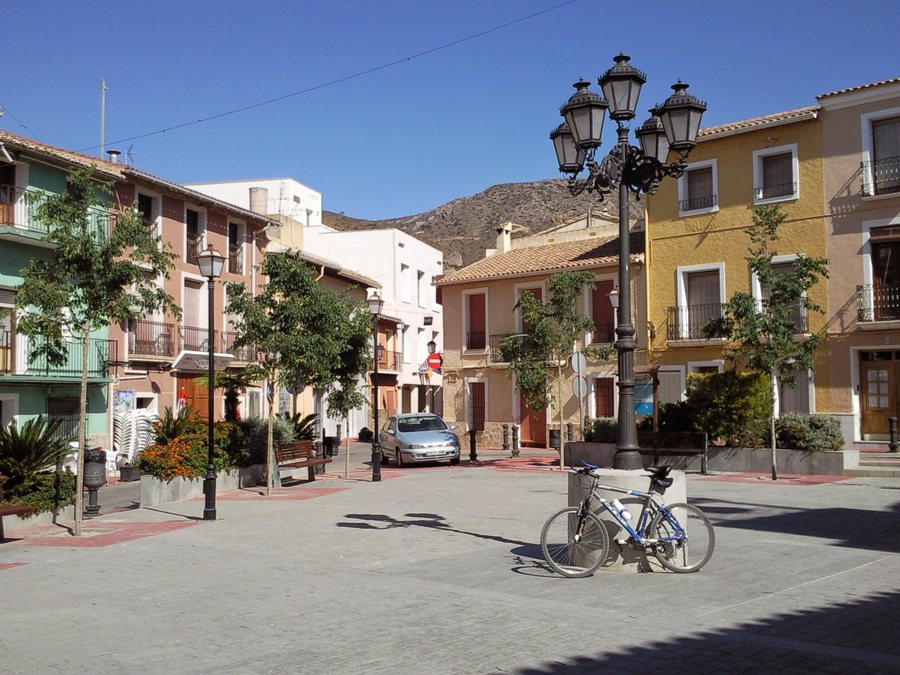 File:03569 Aigües, Alicante, Spain - panoramio.jpg
Photo: Pep Llanero Solitari… via Wikimedia Commons, CC BY-SA 3.0
File:03569 Aigües, Alicante, Spain - panoramio.jpg
Photo: Pep Llanero Solitari… via Wikimedia Commons, CC BY-SA 3.0
Several different routes are available for planning your walks. The “Vuelta a Aigües” hiking route starts at the information board at the Casa de Cultura, leads to the Balneario and then continues to Aigües. The “Aigües–Bussot” route begins on C/ Dr. Sapena and ends at the information board at the Casa de Cultura. The Camí de la Bacorera reaches the Collado de Salmitre after an ascent of 1,975 metres and continues to Alto del Cantal; from there, it offers panoramic views of the coast. The 1,975-metre ascent on this route is a specific factor to consider when planning your walk.
Historical Traces in Aigües
The Balneario represents the period when visitors came to Aigües because of its healing waters. The present-day building of El Balneario was constructed during its heyday at the beginning of the 20th century and is known as the Hotel Miramar.
La Torre was built at the end of the 14th century for defence and surveillance. It stands on a hill and offers views over Alicante Bay. The Church of San Francisco de Asís dates from 1755 and was rebuilt in the 19th century. Its bell tower dates from 1886 and houses a clock made by the Madrid clockmaker Antonio Canseco.
The altarpiece includes a canvas painting created in 1770, consisting of six fragments and entitled “San Francisco en la Porciúncula”, which was donated by the Marquesa del Bosch. During the last week of August, Aigües holds the patron-saint festivals in honour of the Virgen del Rosario, San Francisco de Asís and Cristo de los Afligidos, as well as the Moors and Christians festivities.
Regional Cuisine as Part of the Local Character
La Bacorera cooks traditionally and uses fresh, 100 per cent natural ingredients as well as local products. The cuisine of Aigües includes stews such as Olleta and Olleta borda, as well as rice dishes and gazpachos. Pickled vegetables, cocas, cured meats and Minxos are also part of the local culinary tradition.
When choosing accommodation in Aigües for your stay, you can organise your days around the area's different features: walks in La Pinada, the various routes, historic buildings, the August festivals and regional cuisine each add their own emphasis. This allows you to prioritise nature, culture and culinary discoveries according to your interests.
Other Regional Destinations
For further regional orientation, you can also visit Abdet, Forna, Alcalalí, Senija, Pilar De La Horadada, El Mojón, Alcoy and La Carroja.
For the broader travel overview: Alicante.

