
Alpuente: History, Dinosaurs and Trails
Accommodation in Alpuente
Alpuente showcases historic urban structures, palaeontological traces and routes through striking landscapes. The medieval street plan, the Castillo y Murallas fortifications, dinosaur sites and centuries-old junipers offer different ways to explore this destination.
Historic Traces in the Town
The medieval street plan and the oldest monuments in Alpuente are designated as a Conjunto Histórico-Artístico. The Castillo y Murallas de Alpuente form a historic fortification complex and are designated as a Bien de Interés Cultural.
The Torre Alhama preserves traces of its original function as a gate tower in the Andalusian wall that enclosed the former medina of Alpuente. It is currently possible to visit the Salones de Cortes, the council chamber, the plenary hall, the prison rooms and the dungeon, as well as ceilings with 14th-century stucco work. The Ruta de la Taifa de Alpuente is a guided tour of the historic centre, including visits to the Torre Alhama, the former council chambers, the Salón de Cortes, the Museo Etnológico and the Museo Paleontológico.
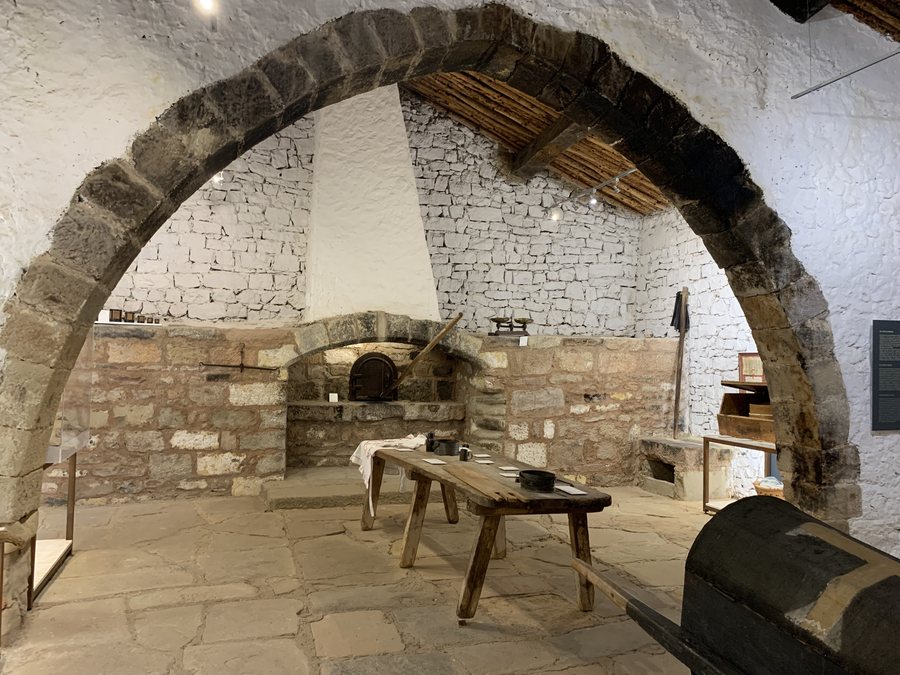
The Museo Etnológico de Alpuente houses a former public oven from the 14th century that remained in operation until the first third of the 20th century. The permanent exhibition focuses on the communal management of the territory and the grain cycle. The Iglesia Parroquial de Nuestra Señora de la Piedad houses religious works of art, including sculptures, paintings and altarpieces. The Gothic Acueducto de los Arcos dates from the 14th century, has 13 arches and can be visited freely at any time.
Dinosaurs and Palaeontological Experiences
Earth’s history is also tangibly represented in Alpuente. The Castillo de Alpuente has an illustrated route, offers views of the Hoz del Reguero and can be visited freely at any time. The Corcolilla dinosaur site is designated as a Bien de Interés Cultural and is equipped for visits with walkways, a large car park and explanatory panels. The Cañada París site features sauropod footprints, is easily accessible by car and has explanatory information.
The “Dinosaurios en el reino del silencio” experience includes a guided tour of the Museo Paleontológico, a visit to the Aula de Recuperación Paleontológica and an educational workshop. The Museo Paleontológico de Alpuente displays dinosaur bones recovered during palaeontological excavations, including fossils of sauropods, theropods, stegosaurs and ornithopods.
Trails, Gorges and Juniper Landscapes
The Ruta de las Aldeas is 45 kilometres long and can be completed in several stages by mountain bike or on foot. It passes through both inhabited and abandoned settlements in Alpuente. The officially designated hiking trail is more than 11 kilometres long and passes through the juniper woodland found in Alpuente, grain-growing landscapes and the area’s traditional architecture. One hiking trail begins in Alpuente and offers views of the Reguero Valley, as well as seasonal waterfalls and pools; eagles and vultures are often seen there.
Another route passes through several villages and landscapes of Alpuente, by the medieval Acueducto de los Arcos and through the Reguero Gorge near La Bomba and the Sabinar, with its centuries-old junipers. A viewpoint offers a panorama of Alpuente, the rear of the castle, the La Hoz gorge and the striking rock escarpment that extends from the mountain to the Reguero in the area of the La Bomba waterfall.
More Destinations for Regional Orientation
Fontanars Dels Alforins, Segart, Albalat de la Ribera, Villalonga, Bolbaite, Barx, Jarafuel and Gátova
For the broader travel overview: Valencia.

