
Agriturismo and Rural Life in the Region of Valencia
Many people understand “agriturismo” to mean a holiday on a working farm. In Spain, you are more likely to come across the terms agroturismo, turismo rural and alojamiento rural. They do not automatically mean the same thing: a country house or village hotel need not be a working farm. In the Region of Valencia, a rural stay can be combined with local produce, nature and visits to producers—if the particular establishment actually offers these activities.
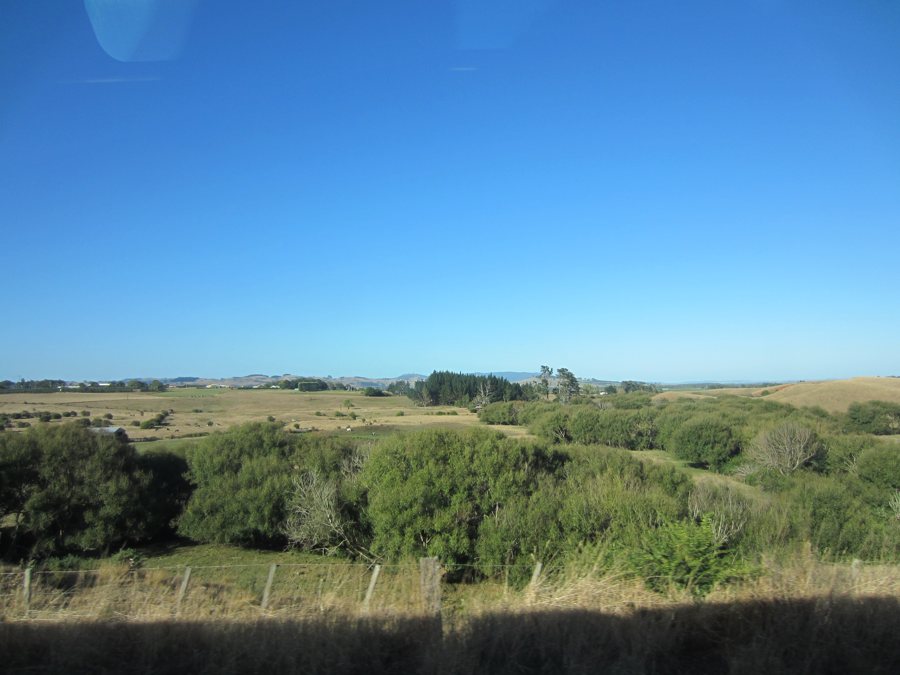 Symbolbild mit ländlicher Landschaft, Feldern und Hofgebäuden auf Waiheke Island in Neuseeland; zeigt keinen Betrieb in der Region Valencia.
Photo: Markus Lenk
Symbolbild mit ländlicher Landschaft, Feldern und Hofgebäuden auf Waiheke Island in Neuseeland; zeigt keinen Betrieb in der Region Valencia.
Photo: Markus Lenk
Rural landscapes across three provinces
The region comprises Castellón, Valencia and Alicante. Its inland areas range from mountain forests and small villages to agricultural plains and coastal hills. In mountainous Castellón, forests, hiking trails and inland towns shape the landscape; the area is also known for black truffles and olive oil from ancient olive trees. The province of Valencia has orange groves, vegetable cultivation and the rice-growing landscape near the Albufera. Alicante, too, offers a varied hinterland, with vineyards, almond and olive groves, and mountain villages. These examples can help you choose an area; they do not guarantee that every establishment offers tours or harvest visits.
To compare distances and possible locations, see the regional guides to Valencia, Castellón and Alicante. This helps you decide before looking for accommodation whether you prefer to be near the coast, in the mountains or within a particular range of day trips.
Accommodation: farm, country house or village hotel?
Read the accommodation description carefully and ask questions before booking. A casa rural is usually a country house or rural accommodation, but it is not necessarily a working farm. If you are staying on a farm, the hosts should explain what activities take place there and whether guests can take part. Farming is work, not a leisure activity that is available at all times: animals, machinery, harvest schedules and hygiene rules set limits.
Check whether meals are provided, whether there is a kitchen and how far away shops are. A car can be useful in more remote villages; check how to get there, parking and public transport. Ask about heating or air conditioning, breakfast, cancellation terms and extra costs. If you are travelling with children, find out which areas they can access and whether they may visit animals only under supervision.
Experiences connected with farming
Depending on the season and the provider, olive oil, wine, citrus fruit, rice or products from the mountain areas may be part of your stay. Some establishments arrange tastings or tours; others sell their own products or do not offer visitor activities. Contact them directly to ask about opening days, languages, duration, prices and reservations. Harvests and production vary with the season and the weather.
The region’s official tourism website highlights nature-based experiences such as searching for black truffles and discovering olive oil from ancient trees. Ask whether a guided activity is currently available to book and what it includes. Do not gather plants, mushrooms or fruit without explicit permission. If you need to drive after a tasting, plan your alcohol consumption accordingly.
The guide to villages and the hinterland also introduces places to visit and excursions inland. If you would like to combine a rural overnight stay with a specific town visit, you could include the destination guide to Morella in your plans.
Combine nature and village life
A rural holiday does not have to be packed with activities. Combine walks, a visit to a village and a meal featuring local produce. For longer hikes or bike rides, consider trail markings, elevation, shade, water sources and how you will get back. In summer, heat and wildfire risk may affect your plans; follow local guidance and stay on marked trails.
Respect residents’ privacy. Farms, fields and access roads are not automatically open to the public. Ask before taking photos or visiting, and do not leave any litter behind. If you would like to support local producers, ask about direct sales or markets; check opening hours and availability before setting out.
The pages on nature parks and hiking complement your accommodation planning with ideas for walks and days in nature. Check access, season and trail conditions before choosing a farm as your base.
How to plan your stay
- First, choose the kind of landscape you want: mountains and villages, agricultural areas or a rural location near the coast.
- Distinguish between rural accommodation and a working farm.
- Ask about farm visits, tastings, the season, reservations and conditions for taking part.
- Check how to get there, where to shop, restaurants and local transport.
- For outdoor activities, plan around the time of day, water, sun protection and an alternative in case of heat or rain.
If you see agriturismo as a chance to experience everyday life in the countryside, it is best to travel with flexible expectations. A visit can offer insight into local produce and the landscape without the farm putting on a demonstration. For culinary inspiration, see the guide to food and wine tourism in the Region of Valencia.
Frequently asked questions about agriturismo and rural life
Is every country house a farm?
No. Rural accommodation may be a holiday home or a village hotel, with no farming taking place there. Ask the host about the specific property.
When can I take part in the harvest?
That depends on the crop, season, weather and what the farm offers. Harvest work is not automatically part of a stay; dates must be arranged in advance.
Will I need a car?
That depends on the accommodation and area. Check transport links and shopping options for the specific address; remote accommodation is not always easy to reach by public transport.
What local products can I discover?
Depending on the area, options may include olive oil, wine, citrus fruit, rice and products from the mountain areas. Tours and tastings depend on the establishment and should be confirmed in advance.
Can I stay on a farm with children?
That depends on the accommodation and the farm. Ask about age limits, supervision and which areas are accessible; animals and work areas require special rules.
Image note: Illustrative image of a rural landscape with fields and farm buildings on Waiheke Island, New Zealand; it does not show a farm in the Region of Valencia.
Further information on nature and rural tourism in the region: Ecotourism in the Region of Valencia.
