
Culinary Trips in the Valencia Region: Markets, Rice and Regional Produce
A culinary journey through the Valencia region brings together landscape and cuisine: rice fields and lagoon, fertile Huerta, markets, small producers and a wide variety of rice dishes. Rather than looking for the same paella everywhere, it is worth following a route that explores the distinctive products of Castellón, Valencia and Alicante. These tips will help you plan without treating changing restaurant hours or offers as permanent fixtures.
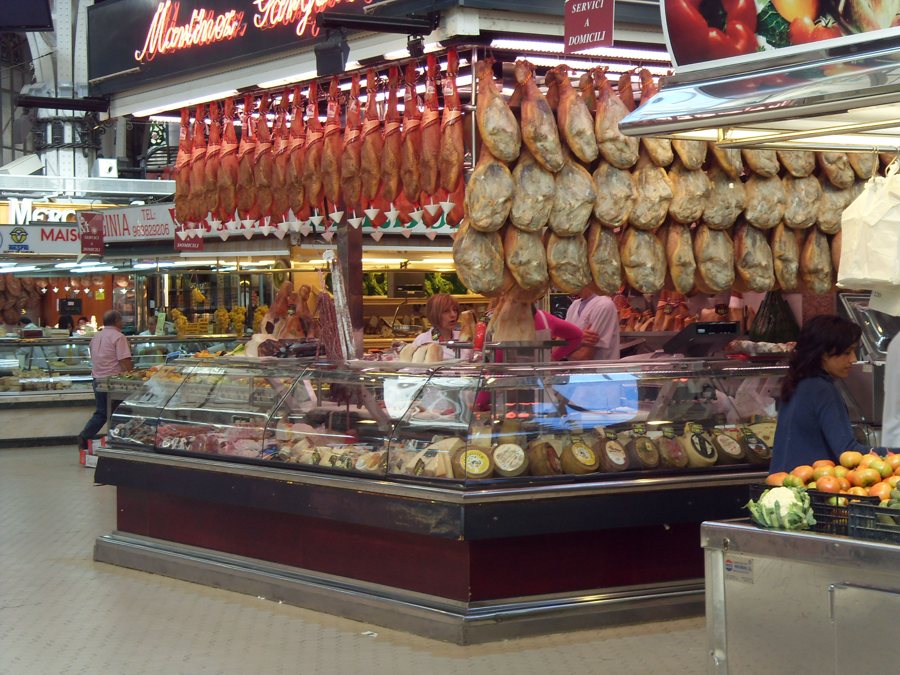 Marktstand mit Schinken und Käse in Valencia; Foto illustriert Märkte und kulinarische Erlebnisse der Region.
Photo: Markus Lenk
Marktstand mit Schinken und Käse in Valencia; Foto illustriert Märkte und kulinarische Erlebnisse der Region.
Photo: Markus Lenk
Planning a culinary trip
First, choose a focus: rice dishes, markets and regional products, wine and olive oil, or a combination. For a weekend, it is usually more relaxing to use one province as your base and take day trips rather than change accommodation every day. For longer trips, consider a north-to-south route from Castellón through Valencia to Alicante. Check with wineries, olive mills and farms in advance to see whether they offer visits and whether you need to book. A producer’s premises are not automatically open to walk-in visitors.
A visit to a market makes a good starting point: browse the products, try a little something, then order a dish featuring ingredients you have just discovered. Market days and opening hours vary by municipality, so check the latest information. When planning tastings, include the journeys there and back, especially if wine or other alcoholic drinks are involved.
Valencia: rice, Albufera and the Huerta
Valencia province is an excellent base for exploring rice dishes and produce from the Huerta. Around l’Albufera, rice fields shape the landscape; Arroz de Valencia is known as a protected designation of origin. You can combine an excursion towards the natural park and lake with a meal. Plan your visit to the protected area and your restaurant stop separately: paths and access points are subject to local rules, and not all sensitive areas are freely accessible.
Paella valenciana is just one of many regional rice dishes. Depending on where you are, you might come across arroz al horno, a rice dish cooked in the oven, or combinations with fish and seafood. Xàtiva is known for arroz al horno. In Valencia city, you can combine market halls, bars and restaurants in a walking itinerary. In Alboraia, horchata made from tiger nuts (chufa) is part of the local culinary scene; it is often served with fartons. Citrus fruits also shape the landscape and cuisine, but harvest times and direct sales depend on the individual producer.
For more on typical dishes, see our overview of the cuisine of the Valencia region. The pages on Valencia and Xàtiva can also help you plan excursions.
If you would like to explore the landscape around the lagoon as well as enjoy the food, our overview of the region’s natural parks and wildlife offers ideas for an excursion of your own. To include market and restaurant stops in Castellón province, you can combine your route with Castelló de la Plana.
Castellón: vegetables, artichokes and Maestrat
In the north, coastal cuisine meets produce from the mountainous inland areas. Benicarló is known for its protected-designation artichoke; in season, it makes a fitting focus for market and restaurant visits. Black truffles are harvested in Alt Maestrat, with the season falling mainly in the winter months. Check seasonal availability and local offerings before you travel, as harvests and events can vary from year to year.
Combine a market visit or a stroll through a historic town centre with a meal made from regional ingredients. In the coastal area around Castelló de la Plana, fish and rice dishes are natural choices; further inland, the cuisine and ingredients change. If the origin of a product matters to you, ask the restaurant specifically: a place name on the menu does not guarantee that every ingredient comes from the local area. Our Castellón travel guide offers more planning advice.
If you would like to make artichokes the focus of your trip, consider a detour to Benicarló. The town guide can help you combine a culinary stop with a stay on the northern coast.
Alicante: rice varieties, turrón and fruit
Alicante is also a rice-producing region, with its own variations. Arroz a banda is often cooked with fish stock; arroz del senyoret is served with the fish and seafood already shelled. Dénia brings together a harbour and a lively food scene, while Xixona (Jijona) is known for turrón. A market visit or producer tour can round out your trip, provided visitor experiences are currently available.
Regional products include the Mollar de Elche pomegranate, loquats from the area around Callosa d’en Sarrià and table grapes from Vinalopó. They are a good reason to make a detour inland, but are not always available fresh. Check the season, sales and visiting arrangements directly with the producer. Our pages on Alicante and Dénia can also help with planning.
Three route ideas
- A long weekend in Valencia: Combine a market visit with an excursion towards l’Albufera. Plan to have a rice dish as your main meal, and allow time for getting between the city, the lake and the restaurant. A horchata break in Alboraia makes a good separate stop, if opening hours and transport connections work for you.
- Five days in Castellón and Valencia: Start on the coast, visit markets and spend a day inland. Then explore the rice and Huerta cuisine of Valencia province. Seasonal products such as artichokes or truffles can help determine when to go.
- A week, travelling as far as Alicante: Take time to try different rice dishes, visit markets and discover products from inland areas. Staying in two places leaves room for excursions, breaks and spontaneous recommendations, rather than travelling on every evening.
Practical tips
Book ahead for popular restaurants, weekends and organised tastings. Ask about ingredients, minimum serving sizes and cooking times for rice dishes; traditional paella is often prepared for several people and may not be available at short notice everywhere. If you have allergies or intolerances, confirm the ingredients directly with the establishment. Even dishes that appear to be plant-based may contain stock or other animal-derived ingredients.
A morning visit is often best for markets, but specific days and hours vary. If you buy fresh produce, think about transport and keeping it chilled. Contact producers before visiting, and ask about duration, language and accessibility. Distances between the coast and inland areas are easy to underestimate, so allow time for driving, parking and the return journey. For an official overview of gastronomic tourism, see the Valencia region’s tourism portal; check current offers with the individual businesses.
Frequently asked questions about culinary trips
When is the best time to visit?
It depends on what you are interested in. Artichokes, truffles, citrus fruits, other fruit and wine all have different seasons. Check harvest times and visitor experiences directly before your trip.
Is paella the same everywhere?
No. Alongside paella valenciana, there are many rice dishes made with regional ingredients. Ask which particular kind is on offer; a rice dish is not automatically paella.
Can you explore l’Albufera freely?
Explore the landscape using designated paths and accessible areas. Follow signs and conservation rules, and do not enter fields or private paths.
Should I make a reservation?
It is a good idea to enquire about popular restaurants, weekends and tastings. Confirm serving sizes, duration, language and cancellation terms.
Are vegetarian options available?
The options depend on the establishment. If you eat a vegetarian or vegan diet, ask them to confirm ingredients and stocks directly.
Where should I start on my first trip?
Valencia city, l’Albufera and Alboraia bring rice, Huerta produce and horchata together within a manageable area. With more time, add Castellón and Alicante, each with its own products and dishes.
