
Water Sports in the Valencia Region
Water sports in the Valencia region range from relaxed paddling to scuba diving. Along the Mediterranean coast in Castellón, Valencia and Alicante, you can go kayaking, stand-up paddleboarding, snorkelling and diving; water activities are also available at selected inland waters. What is on offer depends on the location, season, weather and provider. This guide will help you find the right activity and check the conditions before booking.
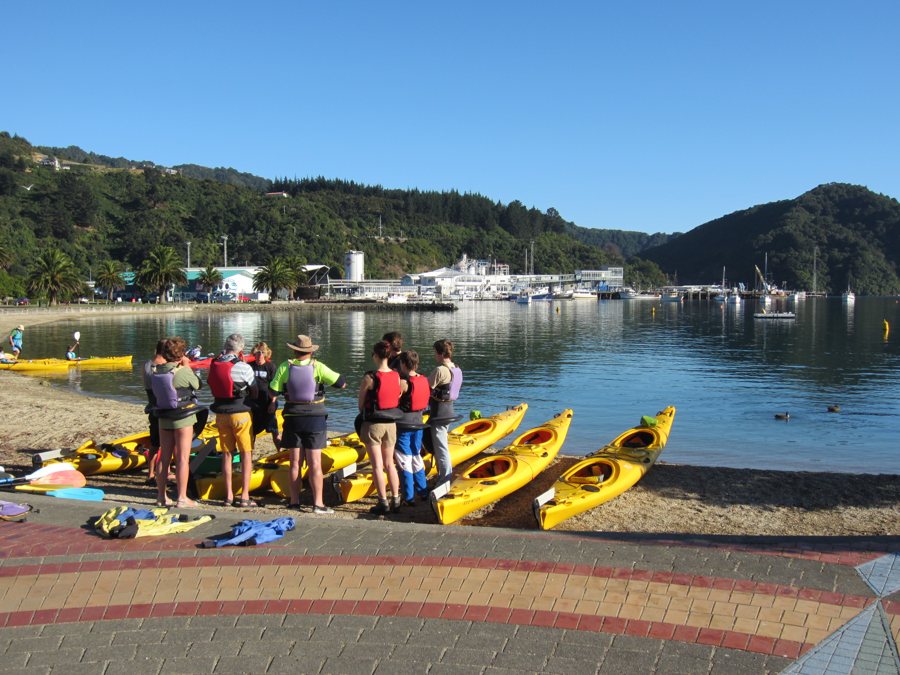 Symbolbild von Menschen mit Kajaks am Wasser in Picton, Neuseeland; zeigt kein Wassersportangebot in der Region Valencia.
Photo: Markus Lenk
Symbolbild von Menschen mit Kajaks am Wasser in Picton, Neuseeland; zeigt kein Wassersportangebot in der Region Valencia.
Photo: Markus Lenk
Kayaking and stand-up paddleboarding
Explore sheltered stretches of coastline and coves from the water by kayak or SUP. Guided trips can help beginners get started and explain how to assess the wind, currents and boat traffic. Ask about the route, duration, group size, swimming ability requirements and whether a buoyancy aid is provided. A calm beach in the morning can feel very different just a few hours later if the wind picks up.
The official tourism website lists activities in places including the Costa Blanca, as well as kayaking options inland, for example at certain reservoirs. Check the exact launch point and whether a rental service or guided tour is currently operating there. A body of water that looks easy to reach on a map may not be open for swimming or paddling everywhere.
To find suitable launch points, compare the coastal profiles for Dénia, Jávea (Xàbia) and Alcossebre with the information provided by each operator. A town guide is no substitute for up-to-date information about launch and landing points.
Snorkelling and diving
Snorkelling lets you explore shallow coastal waters with a mask and snorkel. The region has well-known spots near places such as Jávea and Calp; access, water conditions and protection rules may vary. Pay attention to waves, currents, visibility and boat traffic. Whenever possible, snorkel with someone else, stay within your comfort zone, and keep out of restricted areas and sensitive seagrass beds.
Scuba diving requires appropriate training and adherence to safety rules. Beginners should choose a recognised introductory dive or taster course with a qualified dive school and provide honest information about their health. For certified divers, the route and depth depend on their qualifications, experience, the weather and local conditions. Protected areas such as Tabarca and the Columbretes have their own rules; find out in advance which activities are permitted and whether permits are required.
Choose activities by province
Coastal towns in Castellón offer kayaking, snorkelling and other beach activities; the open sea and wave conditions determine what is suitable on any given day. In the province of Valencia, you will find beach activities along the coast as well as selected activities on inland waters. Alicante offers a particularly wide choice of coastal towns, snorkelling spots and diving activities. This regional guide is no substitute for checking with the operator for current information: seasons, access and rental availability can change.
When comparing options, distinguish between self-guided rentals, guided trips and courses. Ask whether transport, equipment and insurance are included, what the minimum requirements are, and what happens if the activity is cancelled due to weather. For rental equipment, check whether a buoyancy aid, paddle, leash or waterproof bag is provided.
You can get an overview of the longer coastal stretches from our guides to the Costa Blanca and the Costa del Azahar. This will help you match the coastline to your base before booking an activity.
Water safety
Choose an activity that suits your swimming ability and experience. Wear the buoyancy aid provided and follow staff instructions. Do not go out on the water alone if you are unfamiliar with the conditions or route. Wind, currents, boat traffic and rapidly changing seas can be dangerous even close to shore. Avoid going out in thunderstorms, strong winds or high waves, and respect any closures.
Protect yourself from the sun and heat: include water, sun protection and a hat in your plans. When snorkelling, a highly visible surface marker is helpful; keep clear of boat routes and other water-sports users. Do not touch or collect marine animals, shells or plants. This is especially important underwater in protected areas: take nothing, damage nothing, and dive only where it is permitted.
For longer trips or wildlife watching, the guides to sailing and yachting and whale and dolphin watching may also be helpful; follow the relevant safety and conduct rules for each activity.
How to plan a day of water sports
- First, choose an activity and check whether prior experience or swimming ability is required.
- Confirm the launch point, season, duration, equipment, price and cancellation policy with the provider.
- Check the weather and sea conditions on the day; do not set out if there are warnings.
- For protected areas, ask about the rules in force and any permits required.
- Plan an alternative date or a land-based activity in case wind and waves prevent your trip.
Water sports go well with a beach day—the right stretch of coast depends on the activity and conditions. The region’s official directory is a good starting point for choosing a provider.
Frequently asked questions about water sports
Can I rent a kayak without booking ahead?
That depends on the location, season, weather and availability. Booking is advisable during busy periods; confirm the meeting point and conditions in advance.
Is snorkelling allowed everywhere?
No. Protected areas, private access points and local safety rules may impose restrictions. Ask locally and avoid sensitive habitats.
Can I dive without a diving certificate?
A certified dive requires the appropriate qualifications. Beginners can book a supervised taster course after getting advice; check the requirements and medical information with the dive school.
What happens in bad weather?
For safety reasons, the provider may postpone or cancel a trip. Ask about rescheduling and refunds before booking.
What should I bring for kayaking or SUP?
Sun protection, water and suitable clothing are usually important. Ask what is provided and whether wearing a buoyancy aid is mandatory.
Image note: Stock image of people kayaking on the water in Picton, New Zealand; it does not show a beach or provider in the Valencia region.
Activities and providers: Water sports in the Valencia region. More coastal tips are available in our beach holiday guide.
