
Discover Llíber: Trails, Cultural Heritage and Regional Cuisine
Accommodation in Lliber
Llíber brings together historical landmarks, rural landscapes and culinary traditions within a compact thematic area. Between the Pla de Llíber, old terraces, riuraus and the paths along the Gorgos, it creates a destination for anyone who wants to discover Valencian culture not only in buildings, but also through craftsmanship, landscape and regional cuisine.
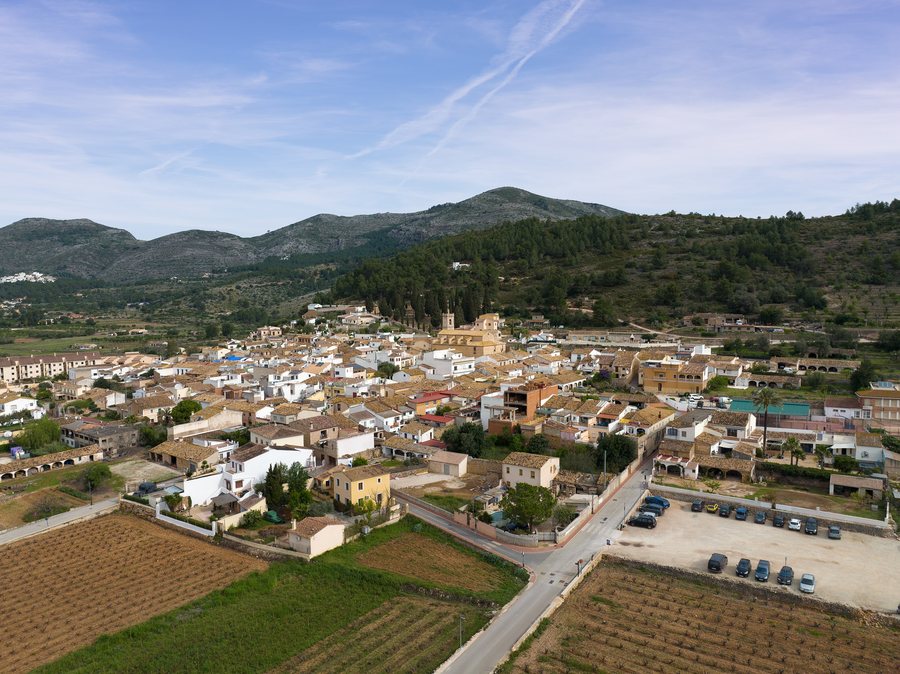 File:Das Dorf Llíber im Jálon-Tal - 52299404582.jpg
Photo: Werner Wilmes via Wikimedia Commons, CC BY 2.0
File:Das Dorf Llíber im Jálon-Tal - 52299404582.jpg
Photo: Werner Wilmes via Wikimedia Commons, CC BY 2.0
Cultural heritage between church, riuraus and tradition
A particular point of reference is the communal tradition of Escaldà for processing raisins. In 2018, it was recognised as an asset of particular cultural interest within Valencia’s intangible cultural heritage. In Llíber, Escaldà takes place in the first week of September. The architecture also tells the story of the town: construction of the new Església dels Sants Cosme i Damià de Llíber began in 1859, and the church was consecrated in 1875. The riuraus of Llíber form an ensemble of high architectural and landscape value, while the Pous de Llíber are classified as cultural assets in the “Bé de Rellevància Local” category.
Trails with different focuses
Those who want to explore Llíber on foot will find several clearly distinct trail experiences. The PR-CV 53.5 Camí del castell d'Aixa begins at Llíber’s Plaça Major. The section of the PR-CV 53.5 Camí dels Morterets showcases valuable dry-stone heritage and old terraces on the slopes. The Subida al Calvario de Llíber is a short trail marked by various scenes from the Passion of Jesus and ending at a viewpoint overlooking the Pla de Llíber and the municipality. The section of the Ruta dels Riuraus XIV in Llíber is 2.5 kilometres long and easy. The Llíber. Va de sentits route uses several scannable QR codes to convey information about Llíber’s history in a way that engages the five senses.
River landscapes and rural traces
The Camins de pedra i aigua route passes through former dry-farming areas to the Pla de Llíber. Wine is still grown there, and traditional riuraus remain. A large part of the PR-CV 466 Gata de Gorgos–Llíber runs along the Gorgos River, which is designated as a Site of Community Importance by the European Union. Numerous birds, reptiles and water snakes occur in permanent ponds along the trail. Font d’Aixa is a narrow valley between mountains that collects the waters flowing down from the Sierra del Castillo de Aixa. There is also an old pond there, bearing witness to an earlier period of irrigated gardens.
Wine, pastries and festivities throughout the year
Llíber’s artisan-made products include wine, mistela, raisins, cured meats and traditional pastries, which are available in local shops. The savoury pastries are called Bollos and may be filled with onion and tomato, peas or wild herbs. Berenar de Pasqua is a stew made with broad beans, peas, potatoes and onions; during cooking, one egg is added for each person eating. Other annual events include the Fira del Llaurador in the first or second week of January and the Fira de l’Embotit in the first week of March.
This allows different interests to be weighed when choosing accommodation in Llíber: culture and local history, short and easy trail sections, waterside landscapes or regional products. Trip planning can therefore remain open to your own daily rhythm, while Llíber offers a clear thematic framework through its specific trails, festivals and landscape areas.
More places to discover: Guadalest, Algorfa, Onil, La Canalosa, Mutxamel, El Mojón, Pego, Benidorm
For the overarching travel overview: Alicante.

