
Altura between the Charterhouse, the Vía Verde and the Sierra Calderona
Accommodation in Altura
Altura combines sites of cultural and historical importance with paths through a distinctive landscape. To the northeast, the Palancia Valley frames the town, while the first foothills of the Sierra Calderona rise across the municipality to the southwest. On its route through the Comunitat Valenciana, the Vía Verde de Ojos Negros passes through Altura. This brings nature, outdoor activity and history together in the area around the town.
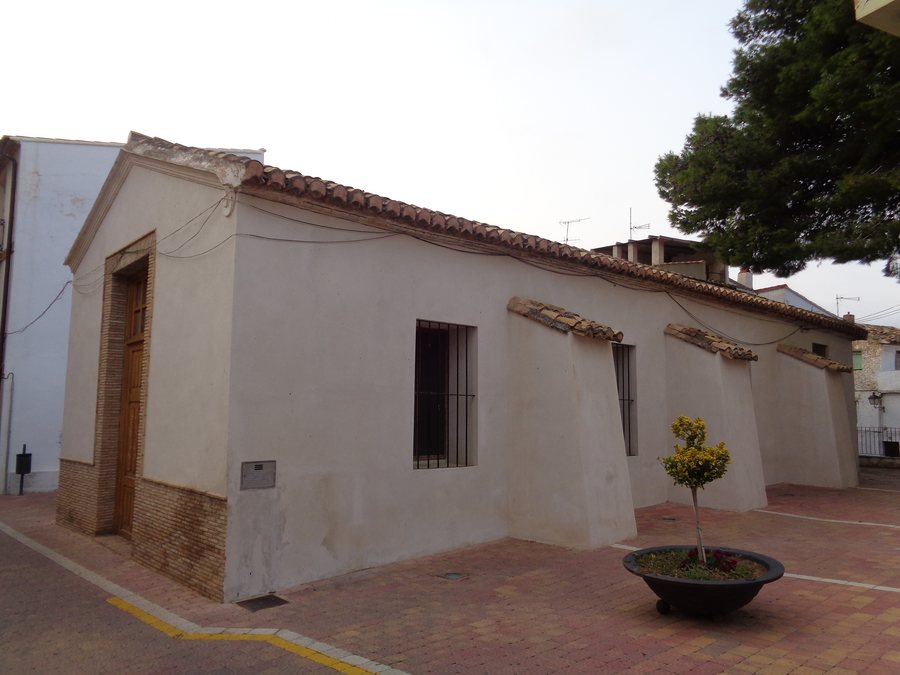 File:Altura. Antigua iglesia de san Miguel 1.jpg
Photo: Enrique Íñiguez Rodríguez ( Qoan ) via Wikimedia Commons, CC BY-SA 3.0
File:Altura. Antigua iglesia de san Miguel 1.jpg
Photo: Enrique Íñiguez Rodríguez ( Qoan ) via Wikimedia Commons, CC BY-SA 3.0
Paths through the landscape and nature
The Vía Verde de Ojos Negros can be used on foot, by bicycle or in a wheelchair. Some ramps outside the original route are excluded. Altura also has cycling routes that begin in or pass through the town, including mountain bike, gravel and road cycling routes.
Two hiking trails classified as short regional routes cross extensive parts of the municipality. They pass through natural landscapes and by springs. The Senda de los Cartujos was restored as part of the Caminos de Valldecrist project, launched in 2009, and is connected to the Cartuja de Valldecrist in Altura. In addition, a long-distance hiking trail crosses the municipality, from the border area with Gátova to the Parque Natural Municipal La Torrecilla – Puntal de Navarrete.
A notable natural site lies in the Barranco de la Mena, where natural karst pools can be found in an unspoilt area. For mountain biking, the Centre BTT Alto Palancia includes nine routes through a varied landscape in which natural, cultural and heritage attractions are combined. Altura therefore offers different starting points for a trip in which you would like to combine hiking, cycling and experiences in the landscape.
Cartuja de Valldecrist and traces of history
The Cartuja de Valldecrist was founded at the end of the 14th century on land that belonged to the municipality of Altura. In 2007, it was recognised as a Bien de Interés Cultural. Visits can be booked through the Altura Tourist Office.
The Cartuja also houses the Colección Museográfica Cartuja de Valldecrist. It displays information panels with historical paintings, plans and photographs, as well as archaeological building elements and fragments from the former monastery. El Batán de Valldecrist was built at the end of the 15th century for the economic exploitation of wool from the Carthusian monks’ flocks. An 18th-century building in the neoclassical style preserves altarpieces from the 17th-century Iglesia Mayor de Valldecrist inside.
The Iglesia Primitiva is a church built in the Valencian Gothic style over a former Muslim mosque. It is currently used as a venue for exhibitions, concerts, theatre and other events. For further insight into the region’s working and everyday history, the Museo del Aceite is well worth a visit. It contains historic equipment used to produce olive oil, including a stone mill, a stirring machine, a hydraulic press, ceramic jars and various oil containers. Guided visits can be booked through the Altura Tourist Office.
Festivals and religious traditions
The annual calendar in Altura includes events with religious and local significance. The Romería de Altura to the Santuario de la Cueva Santa takes place on the last Sunday in April and is recognised as a Fiesta de Interés Turístico Provincial. Altura’s patron saint festivities are held on the last weekend of September in honour of San Miguel and the Virgen de Gracia.
Things to consider when choosing a destination
Altura can be reached directly via the A-23, also known as the Autovía Mudéjar. The CV-25 road also runs from Llíria to Segorbe. When choosing a hotel in Altura, you can take this accessibility into account alongside whether your trip is focused more on cultural sites, hiking trails, cycling routes or the landscape between the Palancia Valley and the Sierra Calderona.
Discover more places
For further travel planning, you can also explore Sant Mateu, Benicarló, Catí, Vinaròs, Almenara, Alfondeguilla, Cinctorres and Moncófar.
For the overview of the wider region: Castellon.

