
Discover Assuévar: Fortress, Nature and Regional Cuisine
Accommodation in Assuévar
Assuévar is a destination for you if historic traces, Mediterranean woodland landscapes and regional cuisine are to be the focus of your stay. Historic buildings, a Bronze Age settlement, natural areas, a clearly measured hiking route and seasonal festivals offer different ways to experience the town according to your own daily rhythm.
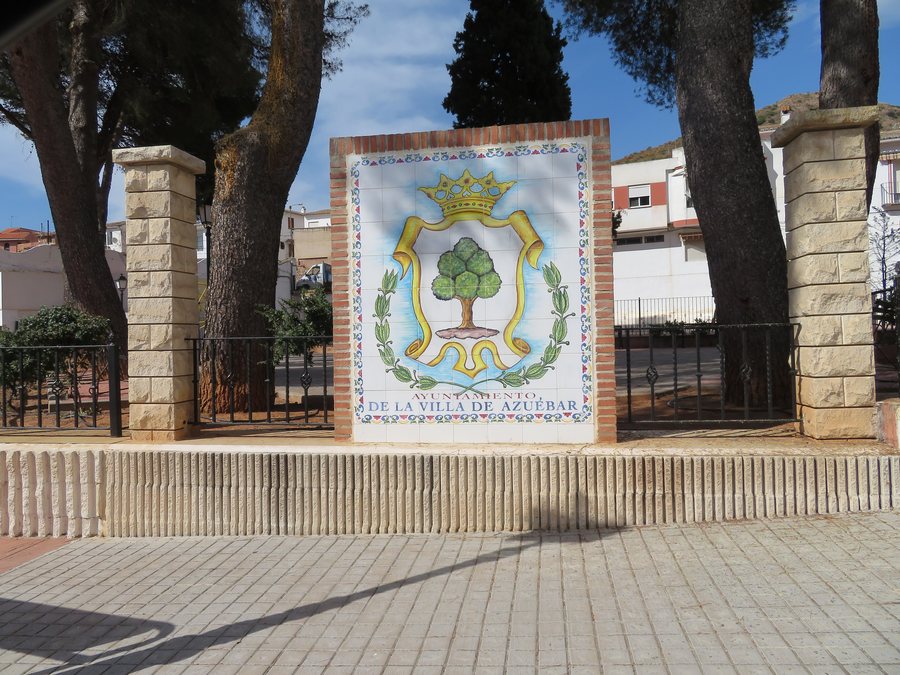 File:Llegada a la Villa de Azuébar (Castellón).jpg
Photo: Juan Emilio Prades Bel via Wikimedia Commons, CC BY-SA 4.0
File:Llegada a la Villa de Azuébar (Castellón).jpg
Photo: Juan Emilio Prades Bel via Wikimedia Commons, CC BY-SA 4.0
Historic Traces and Places with Character
The Poblado de la Peña Ajuerá is a Bronze Age settlement on a rocky promontory near Azuébar, in the Alto Palancia comarca, province of Castellón, Spain. It is also classified as a Bien de Interés Cultural. This places a tangible testament to early settlement alongside a significant cultural classification.
The Castillo de Azuébar is a Muslim fortress built in the 12th century that was later altered by the Christians. It stands on a rocky promontory and offers a strategic view of the confluence of the Rambla de Almedíxer and the Rambla de Azuébar, as well as the valley and the town. For visitors interested in culture, this is where architectural history meets a striking landscape perspective.
The old town of Azuébar invites visitors to explore its lanes and hidden corners. The parish church of Azuébar preserves a sundial. Despite later alterations, Casa Mosquera retains characteristic elements of its era, including stone walls and architectural details.
Pine Forests, Spring and Hiking Route
The Las Carboneras recreation area is suitable for picnics, lies amid pine trees and offers views as well as opportunities to spend time outdoors. La Teja is a natural area in the Sierra de Espadán near Azuébar, characterized by dense pine forests, centuries-old olive trees and diverse Mediterranean flora. La Mosquera is a Mediterranean woodland area suitable for hiking.
In the surroundings of Azuébar lies the natural spring site Manantial de la Fuente del SAS. Its water is regarded as a symbol of Azuébar because of its purity and quality.
If you would like to plan a specific hiking route, the Alto de las Balsicas route is clearly defined, covering 17.25 km and rated as moderate in difficulty. The distance is a useful measure for planning your personal day.
Festivals, Specialties and Wine
The festival in honor of the apostle and local patron saint San Mateo is celebrated on the weekend closest to September 21. Residents and visitors sample the traditional Olla de San Mateo and the popular Pedos de Fraile.
At the place where the wine is produced, you can taste wine and learn more about the vineyards and the production process. In this way, regional cuisine is connected not only with festive specialties but also with viticulture.
The Bureo de Azuébar is a newer summer event that usually takes place in August and includes activities, a market and tastings. If you include local events in your travel plans, these occasions complement the historic and scenic experiences with seasonal activities.
More Places to Include in Your Plans
For your further travel planning, you can also include La Llosa, Les Coves De Vinromà, Figueroles, Zorita Del Maestrazgo, Espadilla, Anroig, Sarratella and Villanueva de Viver.
For the overarching travel overview: Castellon.

.jpg)