
Olocau del Rey: Cultural Heritage, Mountain Landscapes and Regional Cuisine
Accommodation in Olocau del Rey
Olocau del Rey is surrounded by mountains higher than 1,200 metres. At the same time, the town is included in the Camino del Cid cultural route. Mountain landscapes, historic buildings and regional cuisine therefore define the themes around which you can plan your stay.
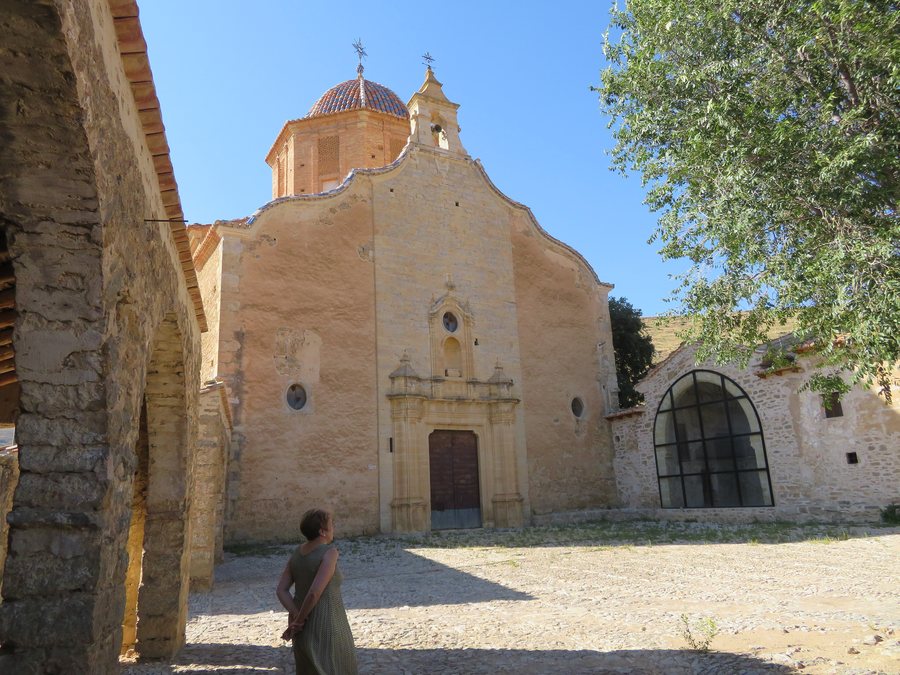 File:Ermitorio de San Marcos de Olocau del Rey (Castellón).jpg
Photo: Juan Emilio Prades Bel via Wikimedia Commons, CC BY-SA 4.0
File:Ermitorio de San Marcos de Olocau del Rey (Castellón).jpg
Photo: Juan Emilio Prades Bel via Wikimedia Commons, CC BY-SA 4.0
Mountain Landscapes and Historic Buildings
The Ayuntamiento de Olocau del Rey is a listed building constructed in the 16th century in the Gothic-Aragonese architectural style. The Castillo de Olcaf has a particular connection with the mountain landscape: its ruins stand on a hill almost 1,200 metres high, are protected as a Bien de Interés Cultural and can be visited.
The Ermita de Nuestra Señora de la Naranja also stands on a hill. The building dates from the 13th century and offers wide-ranging views. The Iglesia de Nuestra Señora del Pópulo also houses a Romanesque carving of the Virgen de la Naranja. A medieval depiction of the Virgen de la Naranja was restored by the Instituto Valenciano de Conservación y Restauración de Bienes Culturales.
Culture in the Townscape
Independent historic sites include the 16th-century Cárcel de Olocau del Rey and the Horno de Olocau del Rey, which has a museographic exhibition. The Cárcel provides insights into the medieval imprisonment and torture of prisoners. The Lonja de la lana is one of the town's valuable historic buildings, while the Ermita de San Blas is one of the recommended places to visit.
Further evidence of the past dates back to the 15th century: the Fuente antigua and the Casa-Palacio del Marqués de la Figuera originate from this period. Tours of the extensive architectural heritage are also offered with audiovisual presentations. The pilgrimage to the Virgen María de la Naranja takes place on the second Sunday in May.
Routes and Culinary Impressions
Different route lengths can be compared when planning your trip. The Anillo de Morella road cycling route is approximately 104 kilometres long, is recommended for two days and has a medium difficulty level. The Olocau del Rey–la Todolella stage is 11.2 kilometres long and is designated as natural and architectural heritage.
Cuisine is also part of the townscape. Typical dishes from Olocau del Rey include grilled meat dishes and rabbit with snails. Black truffles are among the culinary products associated with Olocau del Rey.
Directions to the Hilltop
From a place where you can park your vehicle, a footpath leads up to the hilltop in about 15 minutes.
More Destinations for Planning Your Trip
More destinations for planning your trip include Xilxes, Todolella, Assuévar, Benicassim, La Vall D'uixó, Jérica, Caudiel and Benicarló.
To the overarching travel overview: Castellon.

.jpg)