
La Vall D'uixó: Caves, trails and Valencian festival culture
Accommodation in La Vall D'uixó
La Vall d'Uixó combines a karst cave formed over thousands of years, historic trails, archaeological remains and a strong festival culture. During your stay, nature experiences with an underground river, walks to buildings and towers, and regional cuisine come together.
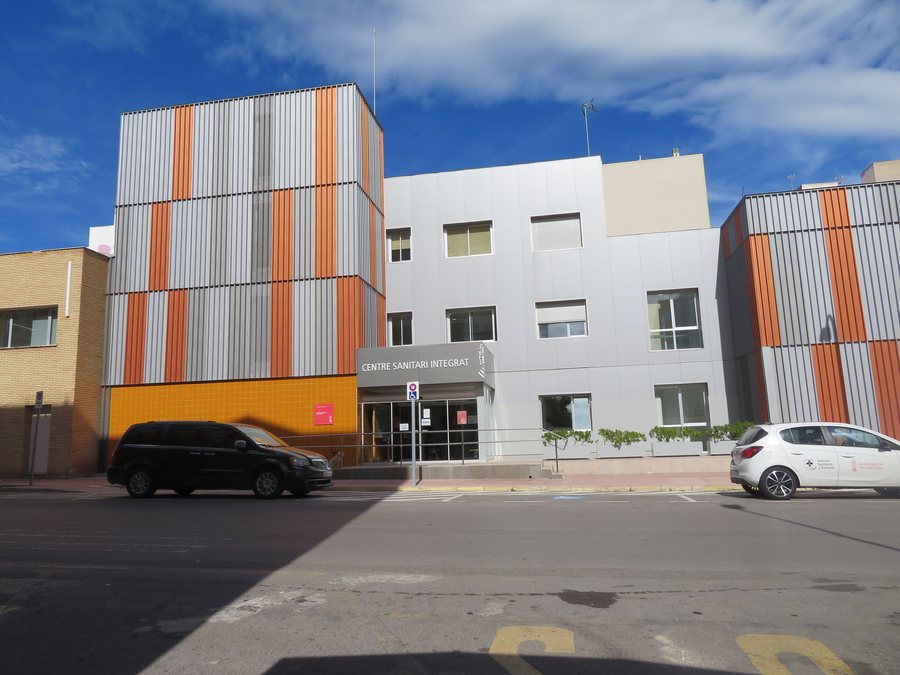 File:Municipio de La Vall d'Uixó (Castellón, España).jpg
Photo: Juan Emilio Prades Bel via Wikimedia Commons, CC BY 4.0
File:Municipio de La Vall d'Uixó (Castellón, España).jpg
Photo: Juan Emilio Prades Bel via Wikimedia Commons, CC BY 4.0
Festivals that shape the town
The Fiestas Patronales San Vicente Ferrer take place every year in April and are supported by the residents of La Vall d’Uixó. Les Penyes en Festes are patron-saint festivities held every year in July and August. The patron-saint festivities of the Sagrada Família and Santíssim Crist are also particularly significant: they are recognised as events of national tourist interest.
Coves de Sant Josep and Sant Josep
The Coves de Sant Josep are a naturally formed karst cave created over thousands of years, with a navigable underground river. The regular visit includes 250 metres on foot through a dry gallery and a further 800 metres in a boat guided by hand. A visit by Espeleokayak lasts approximately two hours.
The La Vall d’Uixó Tourist Information Office is located in the car park of the Paraje de Sant Josep, 300 metres from the Coves de Sant Josep. The PR-V-241 hiking trail also begins at the same location and climbs to the summit of El Pipa, the most prominent mountain in the town. La Vall d’Uixó also provides access to the Sierra de Espadán Natural Park.
Trails between water, buildings and history
The Camino del Agua is a 1.5-kilometre route that begins at the Aigualit aqueduct complex. It follows a former Roman irrigation channel, a water system supplied by the water of the underground river in the Coves de Sant Josep. The route ends with a climb to the 49-metre-high bell tower of the Church of Nuestra Señora de la Asunción. Along the way, it passes the Church of Santo Ángel, the Church of Nuestra Señora de la Asunción and the Palacio de Vivel manor house; these buildings are viewed from the outside.
The PR-V-164 hiking trail passes through La Vall d’Uixó by Muslim towers, local springs and buildings from earlier agricultural use. Another signposted hiking section is five kilometres long, starts at the Paraje de Sant Josep and passes the Fortín de la Creueta, trenches, machine-gun nests and shelters. For cyclists, the Ruta a Alfondeguilla circuit also begins at the Paraje de Sant Josep, leads to the Pont de l’Aigua and is 28.64 kilometres long.
The new via ferrata runs along a rock face in the Cingles de Tido area, on a slope above the Barranco de Aigualit. It is freely accessible, but requires experience, the necessary equipment and membership in a mountaineering association. Without these prerequisites, the activity can be undertaken with active-tourism companies and accredited guides.
Archaeology and culture in the town centre
The Iberian-Roman settlement of Sant Josep includes remains of an ancient wall, several towers, houses, stairways and other structures. Roman settlement remains from the 4th and 5th centuries AD are also located there. The Fàbrica de la llum archaeological town museum combines archaeological finds with interactive reconstructions, including an immersive reconstruction of an Iberian house more than two millennia old.
The Benizahat Tower is an 11th-century defensive tower and the only visible remnant of the former Muslim alquerías in the historic centre of La Vall d’Uixó. The Iglesia Parroquial del Santo Ángel Custodio has a central nave and two aisles; frescoes decorate its domes and presbytery area. The Centro Cultural Palacio de Vivel is currently a free cultural centre for exhibitions and cultural events.
Getting there and regional cuisine
La Vall d’Uixó has no railway station; nearby stations are located in Nules, Xilxes and Moncofa. Regular bus services connect the town with Castellón de la Plana, Playa de Xilxes, Playa de Moncofa and Valencia. These transport connections are among the practical factors you can consider when choosing your hotel and planning your excursions.
Empedrao is part of the area's culinary identity: a traditional stew from La Vall d’Uixó made with pork, rice, crushed beans and game meat, particularly rabbit or hare. It is said to be indispensable at any festive meal. Typical sweets of Muslim origin include hollow, ring-shaped pastries covered with sugar.
Discover more places
Further destinations for your regional planning: Benicassim, Villahermosa Del Río, La Pobla De Benifassà, Soneja, Sot De Ferrer, Altura, Calig, Cabanes.
To the overarching travel overview: Castellon.

.jpg)