
Paterna between cave culture, ceramics and green paths
Accommodation in Paterna
Paterna combines impressive evidence of residential life, ceramic culture and medieval fortification with opportunities for outdoor activities. Those looking for a place with cultural discoveries and a range of excursion themes for their trip will find several clearly identifiable points of interest here.
Cave dwellings and ceramics as special insights
The Espai Cultural Coves del Batà comprises eight interconnected cave dwellings covering a total area of 450 square metres. Themed ethnological exhibitions make this place an informative gateway to the history of residential life. The Cuevas de Paterna are underground dwellings excavated in geologically distinctive soils at the transition between irrigated cultivated land and dryland.
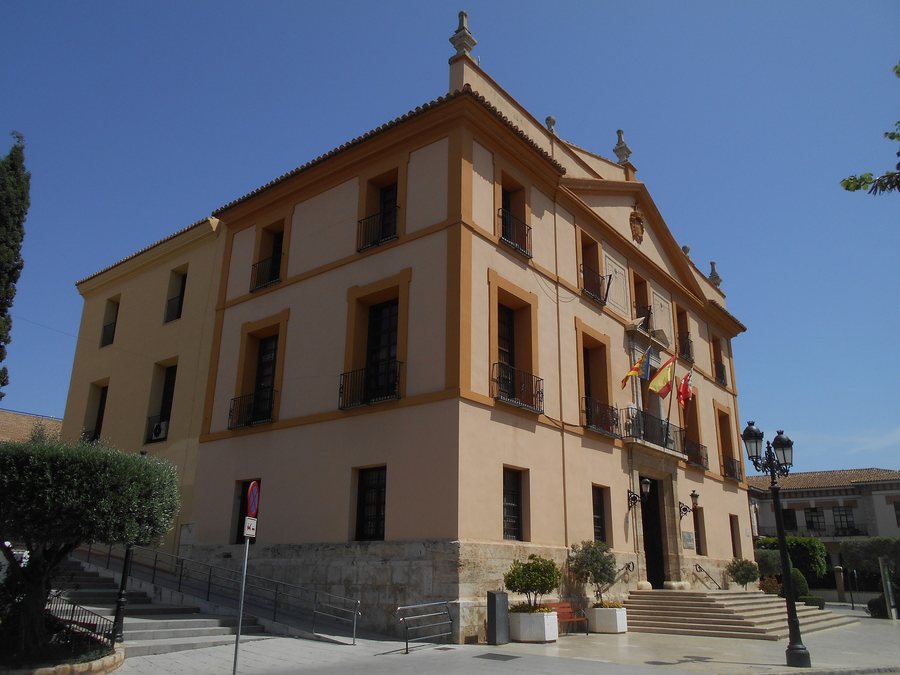
Another focus is ceramics. The Museo Municipal de Cerámica de Paterna holds around 9,000 inventoried medieval and early modern ceramic pieces. These include socarrats, rodells, as well as green-and-manganese, blue, ordinary and lustreware ceramics. The museum is housed in a former town hall building dating from 1881 and presents the town’s pottery tradition from the 12th or 13th century through to the late 16th century.
Torre de Paterna and living traditions
The Torre de Paterna was built between the late 11th and early 12th centuries as part of Valencia’s defensive belt. It has three floors and a terrace with panoramic views over the Huerta de Valencia. Since 1971, the Torre de Paterna has been recognised as a Bien de Interés Cultural.
Festival culture is also part of the town’s distinctive character. La Cordà de Paterna is recognised as an intangible Bien de Interés Cultural and as a festival of national tourist interest. The Cuevas del Batán and Cuevas del Castillo groups probably originated in the Arab period; their use became established in the 18th and 19th centuries.
Walking, running and cycling
In Bosc de la Vallesa, you can walk, run and cycle. This area for outdoor activities complements Paterna’s cultural themes. Depending on your travel plans, you can therefore divide your stay between museum visits, historic buildings and time outdoors.
Places of interest around Paterna
The Museo de Geologia Universitat de Valencia is located in the immediate vicinity of Paterna. The Patio de los Silos and Valencia Zoo are also nearby. The surrounding area also includes Castell d'Alaquàs, the Institut Valencià d'Art Modern, Playa La Malvarrosa and Playa de Pinedo. In the wider regional surroundings of Paterna lies the Mirador El Tos Pelat La Puebla De Vallbona. The possible themes thus range from ceramics and architectural history to modern art, wildlife, views and the coast.
Guided tours for a deeper understanding
Following prior reservation, Tourist Info Paterna offers groups free guided tours of the municipality’s main monuments and museums. In addition, there are changing monthly routes and guided tours available by prior registration. For visitors who would like to discover several facets of Paterna, these offerings can create a structured connection between the cultural sites. When choosing your accommodation, you can therefore consider whether caves and ceramics, the Torre de Paterna, outdoor activities in Bosc de la Vallesa or places of interest in the surrounding region are most important to you.
Further places for orientation: Alzira, Yátova, Benetússer, Monserrat, Daimús, La Drova, Torre Baja and Castielfabib.
For the overarching travel overview: Valencia.

