
Discover Puçol: Coast, Trails and Valencian History
Accommodation in Puçol
Puçol offers a diverse Valencian perspective: the coast, nature trails and historic buildings represent different ways of experiencing the town.
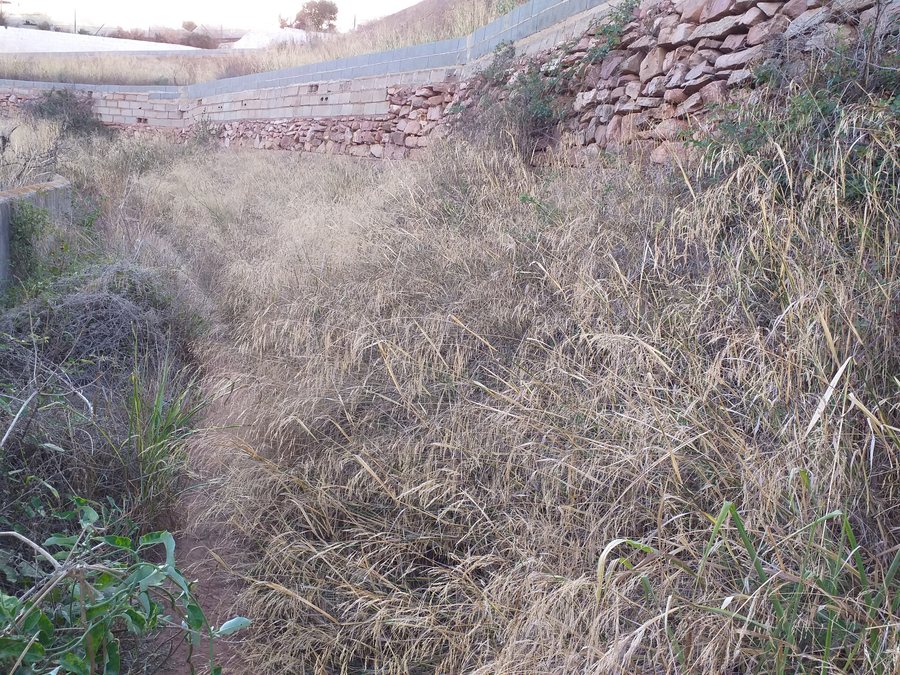 File:2021-08-02 Inici del GR-10 a Puçol en estat d'abandonament 01.jpg
Photo: Pacopac via Wikimedia Commons, CC BY-SA 4.0
File:2021-08-02 Inici del GR-10 a Puçol en estat d'abandonament 01.jpg
Photo: Pacopac via Wikimedia Commons, CC BY-SA 4.0
Beach, Sea and Natural Surroundings
Puçol Beach stretches for more than 2 kilometres. In recent years, it has received the Blue Flag, Q for Quality Tourism and Qualitur awards. Around 100 metres off the beach, there are rocky seabeds underwater that are of interest to divers. This means that, alongside the classic beach experience, the coast also offers a special connection with the sea beneath the water's surface.
Nature is also a tangible part of Puçol's surroundings. Marjal dels Moros is one of the most important areas for waterfowl in the province of Valencia. El Molí de Vent offers a different perspective on the landscape: the building stands on a hill and provides views over Puçol and the sea.
Trails for Walking and Cycling
Several routes have a specific connection with Puçol. The GR-10 long-distance trail begins in the La Costera natural area in Puçol, while the Ruta del Cid passes through the municipality. The Vía Augusta is fully signposted along its route through Puçol.
The Via Verde is available for quieter routes through the cultivated landscape. It is 15 kilometres long and runs through the Huerta between Valencia and Puçol. The Vereda Mangraners is 4 metres wide and is used for agriculture, as a cycle path and as a footpath. The Via Verde runs peacefully through the Huerta, while the Vereda Mangraners is also used for agricultural purposes.
Historic Buildings and Valencian Culture
Construction of the Iglesia de los Santos Juanes began in 1587; it is currently considered Puçol's most representative monument. The Muralla del jardín botánico was built next to the church in 1607. Spain's first university botanical garden was located inside this wall.
La Torreta was built in the 14th century and is considered the oldest house in the municipality of Puçol. Today, La Torreta is a private residence and cannot be visited inside.
El Molí de Vent is one of the few surviving mill structures with an Arab design in the Valencian Community. The Iglesia de Santa Marta was built in 1964 by the local parishioners themselves. Les Dansaes are traditional street dances that are widespread throughout the Valencian region and often accompany festive or cultural events.
Getting to Puçol
Puçol can be reached by the Cercanías railway lines from Castellón to Valencia and from Caudiel to Valencia. In addition, the town is served by the Metrobús line 110, operated by the bus network in the Valencia metropolitan area; its destinations are Sagunto and Puerto de Sagunto.
Discover More Destinations
For more ideas for places in Valencia, you can also visit Llosa De Ranes, La Cuevarruz, Chiva, Caudete De Las Fuentes, Silla, Gilet, Los Cojos and Quart de Poblet.
For the higher-level travel overview: Valencia.

