
Chiva between Sierra, Fortress and Fiesta del Torico
Accommodation in Chiva
Chiva is an interesting destination if you would like to experience nature, local history and regional tradition together in a Valencian setting. The Sierra de Chiva, medieval structures, historic trails and the Fiesta del Torico offer different ways to explore the area through its landscape, architecture and a ritual.
Nature and trails
The Sierra de Chiva is designated as a municipal natural area and is the largest area of its kind in the Comunitat Valenciana. Its landscape is characterised by a network of ravines and ridges and features distinctive natural landmarks. If you choose a hotel in Chiva, this natural area provides a clear point of reference for planning your stay: would you like to focus more on the landscape and outdoor activities, or on the town's historic sites?
La cuerda que nos une is a walking tour through the town centre. It begins in the museum area and follows the streets to the main locations associated with the ritual. The Camino de Santiago route Ruta de la Lana crosses agricultural land in Chiva, continues to the town centre and crosses the Puente Viejo on the way. This places an urban walking tour and a route through the surrounding countryside side by side as two different ways of experiencing the area.
Fortress and local history
Chiva Castle is a medieval fortress on a hill offering panoramic views from which the sea can even be seen. The final section to the fortress must be covered on foot, although the approach is initially accessible either on foot or by car. This sequence should be taken into account when planning your visit.
Next to the castle stands the Santuario de la Virgen del Castillo, which dates from the 19th century. Chiva's Barrio de Bechinos features a street layout influenced by Arab urban design. The Torreta de Chiva was probably built in the 11th or 12th century for defensive purposes. The Iglesia de San Juan Bautista houses José Vergara's largest collection of paintings.
The Iglesia de San Juan Bautista also has a Baroque altarpiece façade inspired by the model of Il Gesù in Rome. The Centro de Interpretación del Torico presents a festival that was originally atavistic and possibly pre-Christian and was recently recognised as being of regional tourist interest. Visits to the centre are arranged by appointment, for groups of up to 10 people and in compliance with the applicable regulations.
Traditions and special attractions
The Fiesta del Torico de la Cuerda is celebrated in Chiva from 15 August to 25 August 2026; the main traditional days are 17, 18 and 19 August. Chiva has numerous wineries where a wide variety of wines and the well-known mistela are produced. For your travel planning, this means that festival dates and wine tradition can be considered as two clearly distinct interests.
Transport and other interests
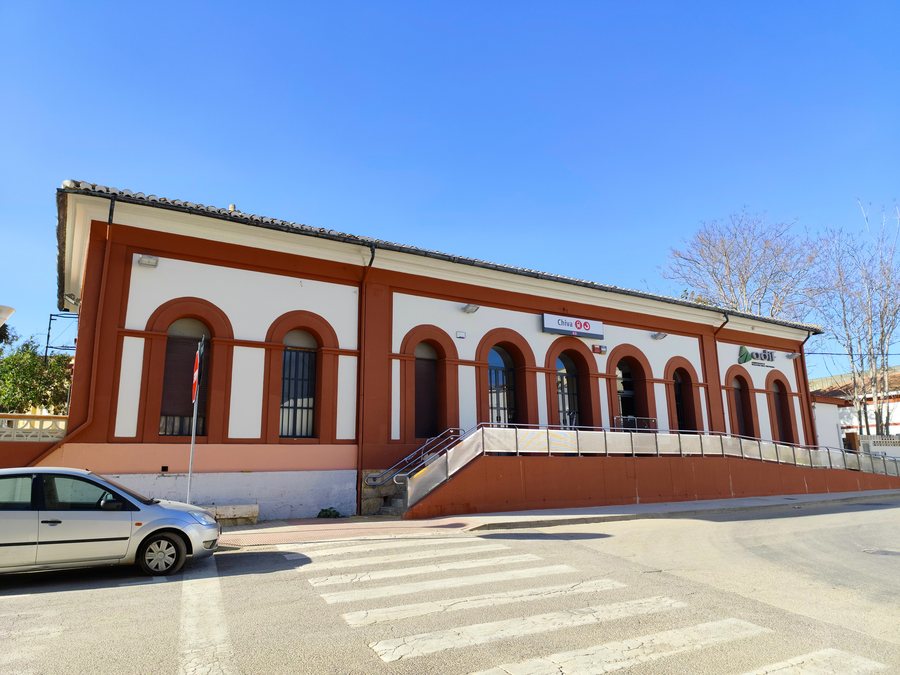
The Torre de Telegrafía Óptica de Chiva was part of the Madrid–València optical telegraph line, whose installation began in 1848. Chiva station is served by the C3 Cercanías line. The Kartódromo Lucas Guerrero is a racetrack specifically designed for karting, with a technically demanding section of corners. Depending on your priorities, you can therefore focus on local history, festival culture, wine, rail connections or karting when choosing your hotel.
Discover more places
Ador, Llutxent, Barx, Enguera, Bufali, Albaida, Campo Olivar, Moncada
For the higher-level travel overview: Valencia.

.jpg)