
Cycling in the Region of Valencia
Cycling offers a way to experience the Region of Valencia at a pace that brings coastlines, rice fields, orange groves and mountain villages together. Options range from short, mostly flat rides on former railway lines to challenging road climbs and mountain-bike routes. Castellón, Valencia and Alicante each offer different landscapes and levels of difficulty. Choose a route to suit your fitness and experience—not just its photos or a rounded distance figure.
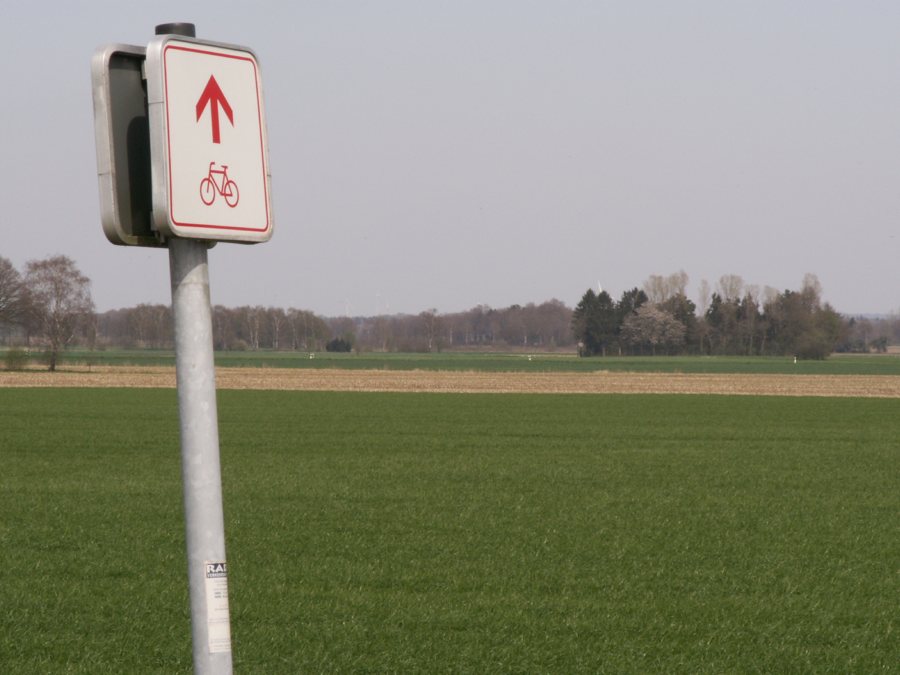 Symbolbild eines Radwegs im Münsterland in Deutschland; zeigt keine Strecke in der Region Valencia.
Photo: Voyagemedia - RRinnau
Symbolbild eines Radwegs im Münsterland in Deutschland; zeigt keine Strecke in der Region Valencia.
Photo: Voyagemedia - RRinnau
What kind of cycling trip is right for you?
For families and leisurely outings, designated Vías Verdes are often a good place to start: former railway lines converted into recreational paths. They often have gentle gradients, but are not always fully paved or equally suitable for every type of bicycle. Before setting off, check the surface, tunnels, lighting, closures and access.
Road cyclists can find sporting challenges on quiet country roads and climbs in the hinterland. Mountain-bike routes follow natural trails and can be technically demanding. Trekking and e-bikes are suitable for longer outings when the route, elevation profile, charging options and return journey all work together. A route marked as a “cycling route” is not automatically car-free or suitable for young children.
Examples in Castellón, Valencia and Alicante
In Castellón, the Vía Verde del Mar runs along the coast between Benicàssim and Oropesa del Mar. It combines sea views with a manageable outing, but its suitability depends on the surface, traffic at crossings and current access. In the hinterland, mountain roads offer longer climbs and require greater fitness.
Around the city of Valencia, the Vía Verde Xurra is an example of a flatter route through the countryside north of the city. You can combine a ride there with a visit to the Huerta and nearby towns. In Alicante, the Vía Verde de Dénia offers another way to enjoy a former railway line on an outing. The Ojos Negros route is much longer and spans several sections; don’t plan to ride it without carefully checking the stages, connections and return journey.
These names are suggestions for planning, not a guarantee of consistently similar surfaces or open access. There are other routes for road cycling and mountain biking in all three provinces. Official route finders and local providers can give you up-to-date information on routes and conditions.
To start planning a multi-day trip, compare the regional guides to Valencia, Castellón and Alicante. For a coastal leg in the south, the town guide to Dénia can help with your planning.
Plan your route and daily distance realistically
Use an elevation profile and look beyond distance alone: elevation gain, surface, shade, wind and descents can all significantly affect the effort involved. For circular routes, check that the start and finish really are connected; for point-to-point rides, arrange a suitable return journey. Whether you can take a bicycle on a train depends on the service and its carriage rules—confirm this with the transport operator before relying on a train for your return.
In summer, midday heat can make a ride exhausting or dangerous. Set off early, take plenty of water, and plan breaks and time in the shade. Check the weather, wind, risk of thunderstorms and local notices shortly before setting out. Conditions and temperatures can change quickly in mountainous areas, so it’s sensible to have an alternative route.
If you’d like to combine cycling stages with other activities, you’ll find more information on the pages about adventure and active holidays, hiking and nature parks and wildlife. Check locally which cycle paths, protected-area rules and traffic arrangements apply to your specific route.
Bicycle, equipment and traffic
Before longer rides, check your brakes, tyres, lights and gears. For unpaved sections, your tyres and bicycle type matter. A helmet is a sensible safety measure in many situations; check the rules that apply to your age, bicycle type and road. Bring a puncture-repair kit, pump, lock, water, sun protection and a charged phone. An offline map is useful on remote routes.
On public roads, you share the space with cars, motorbikes and agricultural vehicles. Ride predictably, use lights when visibility is poor and leave plenty of space. Paths open to bicycles may also be used by pedestrians and others; adjust your speed and behaviour accordingly. On natural trails, stay on the designated route and avoid taking shortcuts across fields.
Cycling with children or on an e-bike
For families, choose short stages with little traffic, reliable places to take breaks and an easy return route. Check crossings, tunnels and surfaces in advance; a path along a former railway line is not automatically fully protected. Choose a distance and elevation gain that leave everyone with some energy in reserve.
When riding an e-bike, don’t estimate range based on the manufacturer’s figures alone. It is affected by climbs, assistance level, luggage, wind, temperature and battery condition. Check where you can recharge and whether you’ll have enough range for the return journey. When renting a bike, confirm the pick-up time, return location, breakdown assistance, lock and included equipment in writing or in the booking information.
For a quieter ride that includes a village visit, the guide to villages and the hinterland can also help you choose a starting point.
Frequently asked questions about cycling
Are Vías Verdes suitable for every bicycle?
Not necessarily. Surfaces, short unpaved sections, tunnels and current restrictions vary. Check the specific section and your bicycle before setting out.
Which route is suitable for beginners?
A short, flat and straightforward route with little traffic is usually the best place to start. Choose based on the surface, elevation profile and return journey, rather than relying on a well-known route name alone.
Can I take my bicycle on the train?
It depends on the service, type of train and carriage rules. Check the conditions for your specific travel date before planning a point-to-point ride with a train journey back.
What time of day is best?
In the warmer months, starting early is more pleasant and reduces the strain of the heat. Take the weather, wind and season into account for the day in question.
What should I pack for a longer ride?
Water, sun protection, lights, a phone, an offline map and basic puncture-repair tools are essentials. For remote or mountainous routes, it’s also sensible to bring an extra layer and leave yourself a time buffer for the return.
Image note: A representative image of a cycle path in Münsterland, Germany; it does not show a cycling route in the Region of Valencia.
Information on routes and Vías Verdes: Greenways in the Region of Valencia.
