
Adventure and active holidays in the Valencia Region
The Valencia Region offers active holidays for a wide range of interests: from a guided canyoning trip to a longer hike, from a via ferrata to a leisurely nature walk. Activities and difficulty levels vary considerably across the provinces of Castellón, Valencia and Alicante. The key is not choosing the longest or most spectacular trip, but finding an activity that suits your experience, fitness, the weather and your equipment.
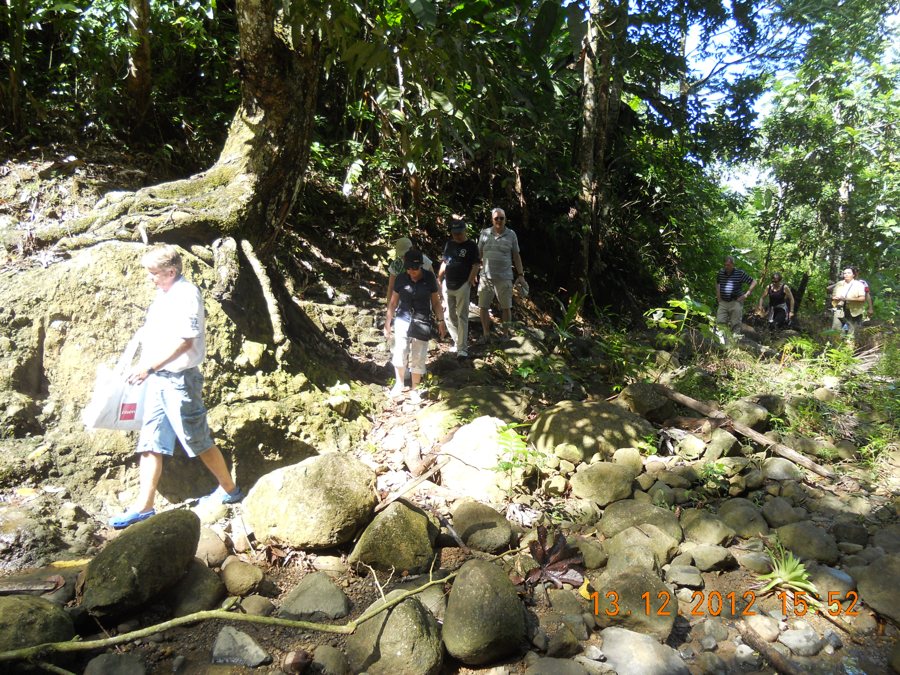 Symbolbild einer Wandergruppe auf einem felsigen Waldpfad in St. Lucia; zeigt keine Aktivroute in der Region Valencia.
Photo: Angelika + Peter Baczkowski
Symbolbild einer Wandergruppe auf einem felsigen Waldpfad in St. Lucia; zeigt keine Aktivroute in der Region Valencia.
Photo: Angelika + Peter Baczkowski
Which adventures are right for you?
Guided canyoning combines moving through water with abseiling, climbing or jumps, depending on the canyon and the specific trip. Jumps are not compulsory everywhere; check the itinerary and alternatives in advance. Via ferratas and climbing routes require sure footing and suitable equipment. Guided walks are a great way to discover the landscape without having to navigate or choose a route yourself. The region also offers caving, cycling, horse riding and multi-activity adventures; availability and requirements vary by location and season.
Official tourism websites, for example, feature canyoning and climbing activities, routes around Montanejos, and nature and adventure destinations such as Chulilla and the Hoces del Cabriel. These names are starting points for your own research, not recommendations for any particular route: access, difficulty, water levels and operating conditions can change.
For trips on land, you can compare these activities with the planning pages on hiking and cycling. These focus on different route, equipment and daily-distance requirements than guided adventure sports.
Finding the right area in the three provinces
Castellón is ideal for mountain and woodland landscapes inland, as well as active excursions around its mountain ranges and canyons. In the province of Valencia, routes wind through river valleys, rocky landscapes and nature parks; the area around Chulilla is known for its canyon scenery and hiking trails. Alicante also offers mountain landscapes and inland areas near the coast, with activities ranging from hiking and climbing to guided outdoor experiences. Always check the exact municipality and starting point: an activity may be a considerable distance from the coastal town where you are staying.
If you are looking for nature areas or coastal stretches as a starting point, you can also consult nature parks and wildlife and the information on beach holidays. Make sure the specific activity is suitable for the protected area, the season and your experience.
Guided or self-guided?
For canyoning, via ferratas, abseiling and technically challenging routes, a qualified local guide is particularly useful for beginners. Ask about group size, minimum age, fitness requirements, language, included equipment and what happens in bad weather. For self-planned trips, check the route, elevation gain, walking time, return journey, mobile reception and water sources in advance. Download maps for offline use and share your route and planned return time with someone you trust.
An operator should explain the requirements clearly and may turn away participants who are not suitable for safety reasons. Do not let yourself be pressured into jumps or sections that make you feel uneasy. A well-planned trip includes an alternative and ends if the weather or conditions deteriorate.
On the water, kayaking, SUP and diving activities differ from sailing trips; for planning longer excursions, see the overview of yachting and marinas. You can also find more ideas for an active holiday in the information on golf in the Valencia Region.
Safety: weather, water and equipment
In summer, heat, direct sunlight and limited water supplies are important factors. In canyons, heavy rain and sudden changes in water levels can be dangerous. Check the local forecast shortly before setting off and follow closures and notices from the authorities and activity provider. Do not enter a canyon if thunderstorms or heavy rain are forecast. For coastal and mountain trips, sturdy footwear, suitable clothing, sun protection and plenty of drinking water are essential.
For guided activities, the necessary safety equipment must be appropriate for the activity. Ask whether a helmet, harness, wetsuit or buoyancy aid is provided, and whether you should bring any personal equipment. In hot weather, avoid scheduling strenuous trips for the hottest part of the day. Tell the provider about children, health conditions and lack of experience before booking.
Wildlife watching from a boat calls for different expectations and consideration than sporting excursions; see the page on whale and dolphin watching.
How to compare activities before booking
- Compare the duration, elevation gain, technical requirements and actual time spent doing the activity.
- Ask about the minimum age, group size, guide qualifications and language.
- Check what is included in the price, what clothing you need and whether transport to the starting point is included.
- Read the cancellation and rescheduling policies for bad weather or official closures.
- Choose a date that allows enough time to rest, and avoid scheduling several strenuous activities back to back.
The region’s official tourism website brings together information on adventure activities and is a useful starting point. For confirmed details about routes, difficulty, prices and whether an activity will go ahead, contact the specific provider.
Frequently asked questions about adventure and active holidays
Is canyoning suitable for beginners?
Some trips are designed for beginners, while others require experience and fitness. Ask about jumps, abseiling sections and easier alternatives.
Can I book all activities year-round?
No. Dates depend on the season, water levels, weather and whether the provider is operating. Ask the provider to confirm that the activity will go ahead on your specific date.
What should I bring on a guided trip?
It depends on the activity. Providers usually specify clothing, footwear and personal items; check which technical equipment they provide.
How can I tell if a trip is right for me?
The description should clearly state the requirements, duration, meeting point, equipment and safety conditions. If any important questions remain unanswered, ask before booking.
What should I do if the weather looks uncertain?
Check weather warnings and follow the decisions of your guide or activity provider. Do not enter a canyon if thunderstorms are possible, and never ignore a closure.
Image caption: Illustrative image of a guided hiking group on a woodland path in St Lucia; it does not show a route in the Valencia Region.
For a first overview: adventure and active tourism in the Valencia Region.
