
Benasal: Defensive Towers, Nature and Regional Traditions
Accommodation in Benasal
Benasal combines medieval buildings, museums, religious traditions and the natural area of El Rivet. Among defensive towers, historic houses, festivals and Mediterranean woodland, it offers a diverse destination for anyone who does not wish to view culture and landscape separately.
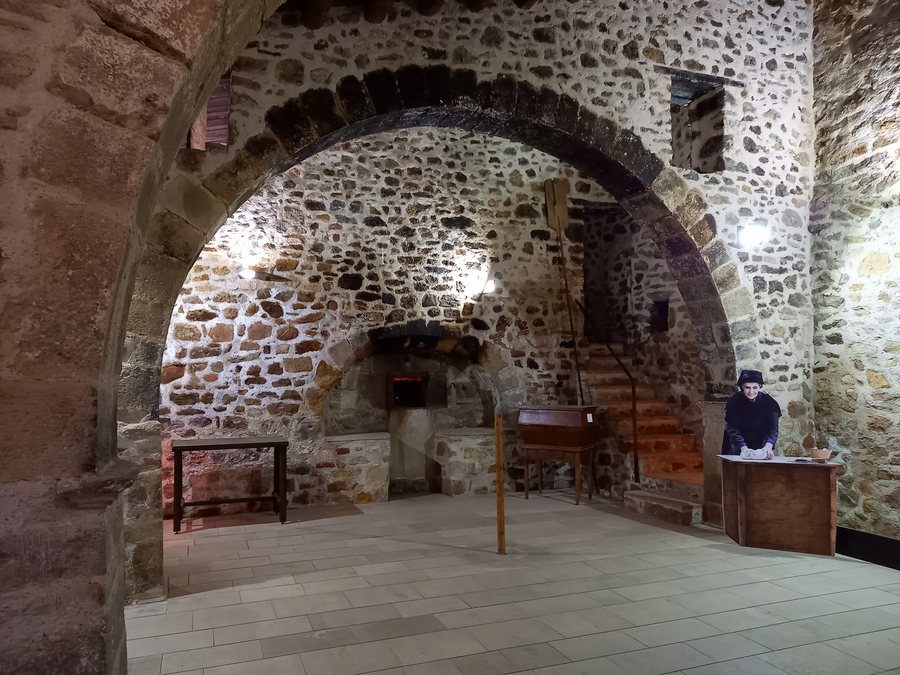 File:Interior del Forn de Dalt de Benassal.jpg
Photo: TouristInfoBenassal via Wikimedia Commons, CC BY-SA 4.0
File:Interior del Forn de Dalt de Benassal.jpg
Photo: TouristInfoBenassal via Wikimedia Commons, CC BY-SA 4.0
El Rivet Natural Area and Font d’en Segures
El Rivet is a municipal natural area within the municipality of Benassal and covers 16 hectares. The Mediterranean woodland is characterised by Valencian oaks, holm oaks and varied undergrowth. A signposted botanical educational trail is open to the public. The area also includes a flora micro-reserve where, among other species, orchids and the scabious cornflower are found and protected. Font d’en Segures near Benassal is a place of significance to visitors, associated with mineralised spring water and distinctive architecture.
Historic Centre and Notable Buildings
The historic centre of Benassal forms a visitor route through narrow, irregularly laid-out streets, where some of the town’s oldest houses have been preserved. Torre de la Presó is the best-preserved of Benassal’s three medieval defensive towers and can be visited. The four-storey square tower stands on the town wall and was also used as a prison. In Torre de la Presó, the permanent exhibition “L’Experiment Stuka” addresses the bombings of May 1938.
Castell de la Mola is a Gothic building from the 13th century and is considered Benassal’s oldest civil building. It was constructed approximately between 1240 and 1250. The building houses the Museu Arqueològic de l’Alt Maestrat and the Aula Museu Carles Salvador. The archaeological museum was founded in 1978 to accommodate and display materials from the regional archaeological research centre. The Aula Museu is located in the former Hospital de la Mola and presents the family and school atmosphere of Carles Salvador. Near Castell de la Mola stands Forn de Dalt, a medieval oven from the beginning of the 14th century; it was restored in 2015, has been open to visitors ever since and hosts cultural activities.
Other buildings add to the historic character. Torre Redonda is a round tower from the 14th or 15th century and is designated a Bien de Interés Cultural. Torre Nabàs is a square tower with a large adjoining masía and is also designated a Bien de Interés Cultural. Iglesia de la Asunción has a Baroque portal dating from 1677. Its parish treasury displays Gothic and Plateresque religious ornaments as well as gold- and silversmiths’ work; the chapel also contains “La última Cena”, an ironwork piece by sculptor José Gozalbo, which can be viewed. Casa Sánchez Cotanda has two Baroque portals made of dressed stone: one leads to the Virgen del Pilar chapel and the other to the residence. Scattered throughout Benassal are the Lavaderos Públicos, with stone wash basins beneath wooden roofs.
Chapels, Exhibitions and Local History
The Ermita de Sant Roc was begun in 1557, completed in 1559 and extended between 1595 and 1599. It is usually reached via the former En Pedró i de la Solana path, which is now called Sant Roc. The La Magdalena chapel was built in 1864 with a floor plan inspired by Oriental culture and has an octagonal layout. Museu Vida Rural preserves Benassal’s agricultural and livestock-raising heritage through tools, everyday objects, furniture and clothing from the past century. An exhibition room displays works by three generations of the Pascual Miralles family. The Mural del 750 Aniversario de la Carta Pobla depicts Benassal’s identity, its patron saints, water and the hazelnut plant.
Festivals and Regional Cuisine
Several customs give Benassal’s annual cycle its distinctive character. The pilgrimage to Sant Cristòfol takes place every year on Whit Monday. During the Sant Cristòfol festival, it is traditional to eat Tombet together in the area around the chapel, a stew made with rabbit, chicken and snails. San Antonio Abad is celebrated every year with an animal blessing, traditional dances, Coquetes or Rotllo, and Barreja. The Fiesta de la Tea revives the return of the textile traders to Benassal with the resin torches that once lit the town’s streets. At the Fira d’Oficis in the historic town centre, the programme includes hands-on workshops, demonstrations of traditional crafts, a craft market, folk music, dances and activities for children.
More Destinations for Your Travel Planning
More destinations for your research: Cabanes, Cinctorres, Castellfort, Villahermosa Del Río, Torre la Sal, Salsadella, Sant Jordi and Les Alqueries.
For the overarching travel overview: Castellon.

