
Cabanes: Nature Parks, Trails and History
Accommodation in Cabanes
Wetlands, coastal mountains, cycling routes and traces of history define Cabanes. If you would like to combine nature observation, physical activity and culture, you will find a range of opportunities here for planning your trip. The municipality includes the Prat de Cabanes-Torreblanca Nature Park and the Desert de les Palmes Nature Park. This landscape is complemented by the coastal settlement of Torre la Sal and notable heritage dating from several periods.
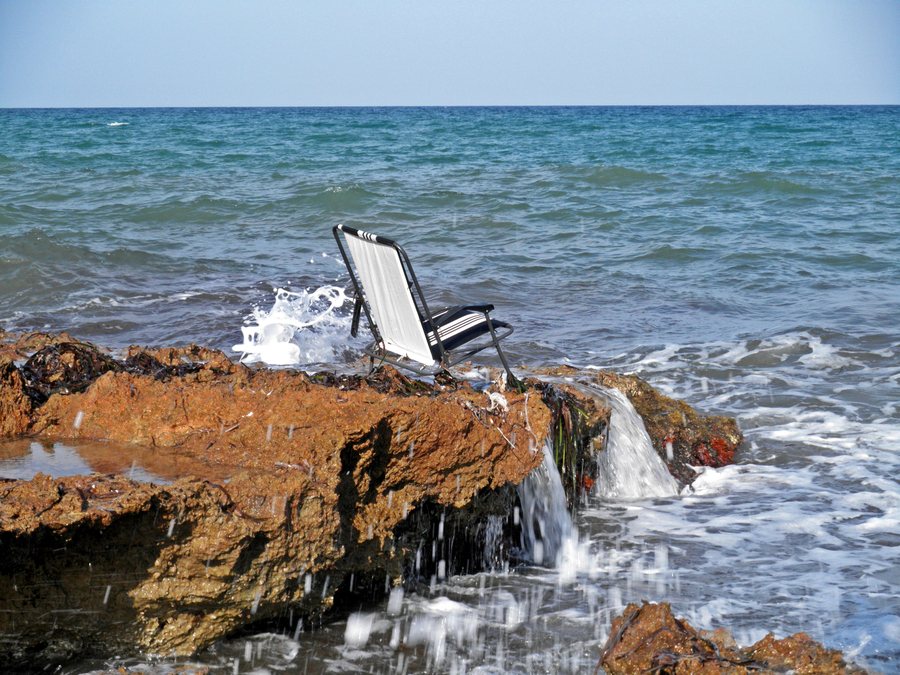 File:Cabanes, Castellón, Spain - panoramio (1).jpg
Photo: Aitor Alvarez via Wikimedia Commons, CC BY-SA 3.0
File:Cabanes, Castellón, Spain - panoramio (1).jpg
Photo: Aitor Alvarez via Wikimedia Commons, CC BY-SA 3.0
Nature between wetlands and mountains
The Prat de Cabanes-Torreblanca Nature Park is the most significant wetland in the province of Castelló and has been included on the list of wetlands of international importance. Birdwatching is possible there. The Desert de les Palmes Nature Park, by contrast, forms a coastal mountain landscape; its highest point is Bartolo, at 729 m.
Routes for cycling and walking
For mountain-bike tours, Cabanes has more than 100 km of BTT/MTB routes divided among five routes. If you prefer a short, very easy hike, the SLC1 circular route begins at Plaça dels Hostals in Cabanes. It is 5.7 km long and classified as very easy.
From Torre la Sal, Cabanes' coastal settlement, a route also leads on foot or by bicycle to the beaches of the neighboring municipality of Torreblanca. Depending on your focus, you can therefore organize your days around nature observation, longer cycling tours, an easy circuit, or a combination of the coast and physical activity.
History along roads, towers and settlements
Torre la Sal was built in the 16th century as a coastal watchtower and defensive tower, and in 2002 was declared an Asset of Cultural Interest, BIC. The Roman Arch of Cabanes stands beside the Via Augusta and is one of the most significant Roman monuments in Valencia's archaeological heritage.
The Iberian settlement of Mortórum in Cabanes is dated to the 7th to 1st centuries BC. The fortified hermitage of Albalat also reflects changing functions: it was built at the end of the 13th century and converted into a fortified church in the 14th and 15th centuries in response to raids from the sea. The fortified hermitage of Albalat features raised walls, a terrace with battlements and an outer apse converted into a watchtower.
A guided cultural route through Cabanes leads along the town's streets and traces the layout of the former Muslim alqueria, medieval manor houses, a medieval oven and former defensive gates. Of the historic gates that protected Cabanes, only the Sitjar Gate remains. The guided cultural route also leads to the remains of a fortress of Muslim origin.
Visit and tasting in the town center
A winery in the town center of Cabanes can be visited by prior appointment. Its upper floor serves as a multipurpose room for events, tastings and presentations. If you would like to combine regional insights with your stay, arranging an appointment is part of this visit.
More places for planning your trip
More destinations for planning your trip: Castellnovo, Cervera Del Maestre, Todolella, Palanques, Villahermosa Del Río, Alfondeguilla, Burriana and Sot De Ferrer.
For the higher-level travel overview: Castellon.

.jpg)