
Discover Castellón de la Plana: History, Museums and Coast
Accommodation in Castellón De La Plana
Castellón de la Plana reveals its history not only through individual buildings: Castell Vell, the Villa Romana de Vinamargo, El Fadrí and the beaches of Castelló offer different ways to explore the fortress, antiquity, cityscape and coast.
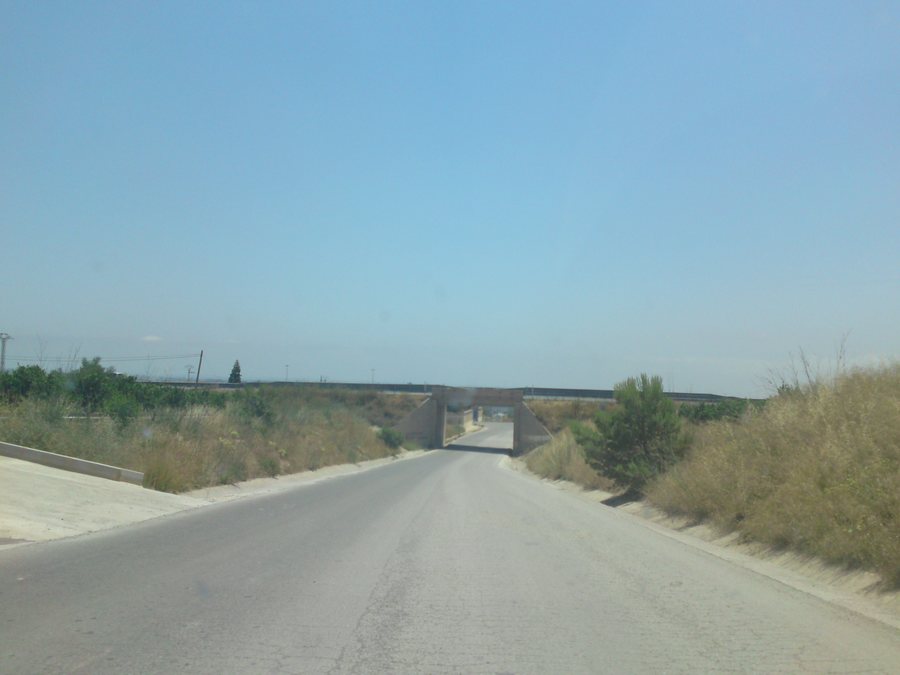 File:Castellón de la Plana, Castellón, Spain - panoramio (40).jpg
Photo: zejijunto via Wikimedia Commons, CC BY 3.0
File:Castellón de la Plana, Castellón, Spain - panoramio (40).jpg
Photo: zejijunto via Wikimedia Commons, CC BY 3.0
Fortress, Roman Era and Cityscape
Castell Vell is an Andalusian fortress on Cerro de la Magdalena hill and is connected with the origins of Castelló. The Villa Romana de Vinamargo was inhabited from the 1st to the 5th century AD. With 3,000 m² of excavated area, it is considered the largest excavated Roman villa in the province of Castellón; it also preserves a work area with mills, a pottery workshop and storage rooms.
El Fadrí is a 58-metre-high, freestanding bell tower with a terrace offering panoramic views over the city. The Muralla Medieval route follows preserved sections of Castelló's city walls dating from the 13th to the 18th century and includes nine marked stops. If you prefer to follow a clearly signposted historical theme, Castelló Republicano offers a 90-minute self-guided tour in Spanish, Valencian, English and French, which can be divided into sections according to your schedule, with ten marked sights and numbered plaques.
Museums Between Art and Maritime Culture
The Ethnological Museum of Castelló houses more than 2,000 objects documenting crafts and urban life in the 19th and 20th centuries. The Museu de Belles Arts de Castelló brings together a permanent exhibition, temporary exhibitions, a library, an auditorium, restoration workshops and archives for archaeological research. Its fine arts department covers painting and sculpture from the 14th century to the first third of the 20th century.
The archaeological department of the Museu de Belles Arts presents a chronological history spanning 200,000 years, with multimedia offerings, interactive screens and recreated historical settings. The ceramics collection displays more than 800 pieces, including medieval lustreware and Valencian folk ceramics. At Grau, the Museu de la Mar presents Castelló's maritime culture through 274 objects and more than 70 photographs.
Memory, Tradition and Architecture
The Tetuán air-raid shelter was built during the Spanish Civil War from 1936 to 1939 and restored as a historical interpretation site addressing the consequences of the war and the culture of peace. The Espacios de Memoria route presents Castelló's recent past, the human cost of the Civil War and the effects of the post-war period.
The Romería de les Canyes takes place as part of the Fiestas de la Magdalena and commemorates the founding of Castelló. The Basílica de Santa María de Lledó is associated with Castelló's most important Marian devotion; on its landscaped forecourt, ceramic panels depict chapels from the municipality. Built in 1912, Casa de las Cigüeñas is probably the best-preserved Modernist building in the city of Castellón. The Ruta cerámica modernidad presents important murals in the city as artistic elements that stand apart from industrial production.
Coast and Different Daily Rhythms
Platja del Serradal is a protected plant micro-reserve containing Castelló's only natural dune system. Depending on conditions, the beaches of Castelló offer kitesurfing, surfing and other water sports; there is also a seafront promenade and a cycle path.
For further destinations in your regional travel plans, you can also discover El Grau De Castelló, Nules, Almedíjar, Traiguera, Ballestar, Oropesa Del Mar, Zorita Del Maestrazgo and Castellfort.
For the higher-level travel overview: Castellon.

.jpg)