
Traiguera: Sanctuary, Renaissance and Olive Oil
Accommodation in Traiguera
Traiguera combines sacred architecture, medieval fortifications, a traditional craft heritage and regional olive oil culture. In addition, Route 5 of the Xarxa BTT 100k offers a clearly defined cycling experience. If you would like to combine culture and active pursuits on your trip, the town offers a range of ways to do so.
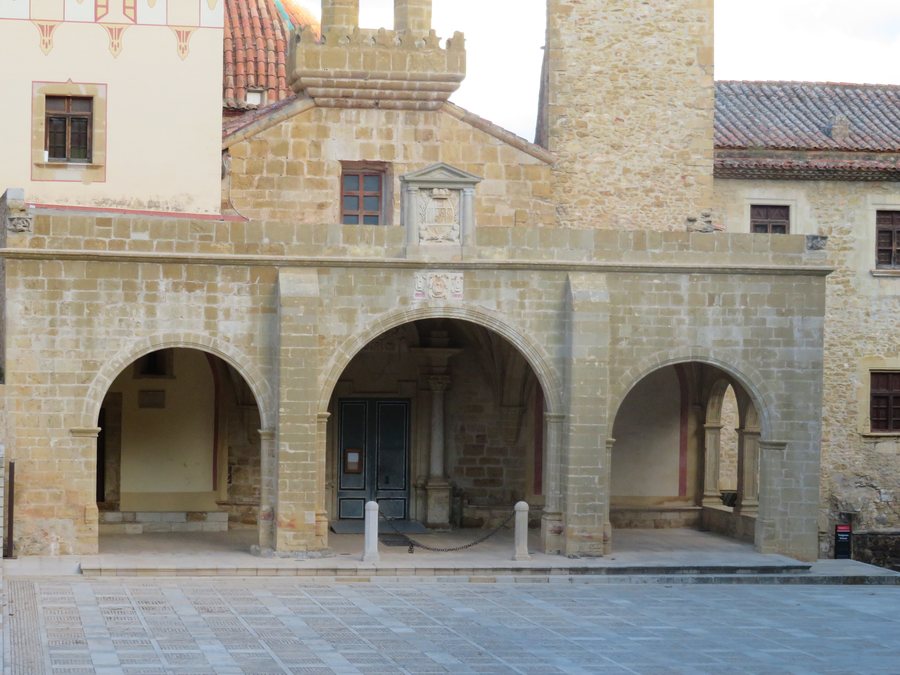 File:Real Santuario de la Virgen de la Salud (Traiguera).jpg
Photo: Juan Emilio Prades Bel via Wikimedia Commons, CC BY-SA 4.0
File:Real Santuario de la Virgen de la Salud (Traiguera).jpg
Photo: Juan Emilio Prades Bel via Wikimedia Commons, CC BY-SA 4.0
Sacred architecture and medieval traces
The Real Santuario Virgen Fuente de la Salud is a sanctuary in Traiguera that has been protected as a Bien de Interés Cultural in the category of monument since 2007. Its origins date back to the 14th century. It is also the only sanctuary in the province of Castelló to bear the title “Real”. The Renaissance portico dates from 1588; the medieval bell gable was completed in 1439.
A second focal point is La Iglesia de la Asunción. The unfinished Renaissance building was constructed in the 16th and 17th centuries on the foundations of an earlier Gothic church. Its side portal is designed according to Vignola’s models. Construction of the octagonal bell tower began in 1393, and it preserves decorative sculptures and Gothic bells.
The Museo parroquial is located in a sacristy of the l’Assumpció church. Its collection includes processional crosses, stone sculptures, Gothic capitals, Roman coins and ceramics. The Portalet y Murallas Medievales is another historical site: it preserves the only surviving section of Traiguera’s medieval city walls and includes remnants of the bastioned fortifications expanded in the 17th century. This complex is also protected as a Bien de Interés Cultural in the category of monument.
Traiguera’s pottery tradition has been documented since 1392. Historically, it was based on locally available clay, water and firewood, as well as communally used kilns. Thus, alongside the churches and fortifications, a craft takes centre stage whose material foundations were closely connected to the town.
Olive oil and living traditions
The Centro de interpretación y sala de catas at the Real Santuario Virgen Fuente de la Salud presents Traiguera’s history, cultural heritage and traditions through audiovisual media and 360-degree virtual reality content. Commented olive oil tastings are also offered there. The Oficina de Turismo in Traiguera complements this theme with interpretive walks, olive oil tastings and visits to olive oil producers.
Regular events also give the town its own cultural rhythm. The Feria Romana – Thiar Julia takes place in Traiguera on the first weekend of October and stages scenes and depictions of everyday life in ancient Rome. On the first Monday after Easter, a procession leads to the Fuente de Sant Vicent; it is led by an image.
Route 5 for mountain biking
For a trip focused on sport, Route 5 of the Xarxa BTT 100k Traiguera is relevant. It is 33 kilometres long, runs through the northern part of the municipality of Traiguera and has no major changes in elevation. The route follows wide dirt and asphalt paths and is suitable for mountain bikers who ride cross-country. This makes it possible to plan your stay around clear interests: historic buildings, olive oil and regional traditions alongside a designated cycling route.
More destinations
Sant Joan de Moró, Benicassim, Moncófar, Herbeset, Albocàsser, La Pobla De Benifassà, Olocau Del Rey and Fredes
To the main travel overview: Castellon.

.jpg)