
Sant Joan de Moró between forests, paths and history
Accommodation in Sant Joan de Moró
Sant Joan de Moró presents itself as a destination where extensive holm oak and cork oak forests, historic sites, natural areas and festive traditions come together. This gives you a travel perspective with different points of focus: culture can be combined with landscape, while the paths provide specific reference points for planning around nature and outdoor activities.
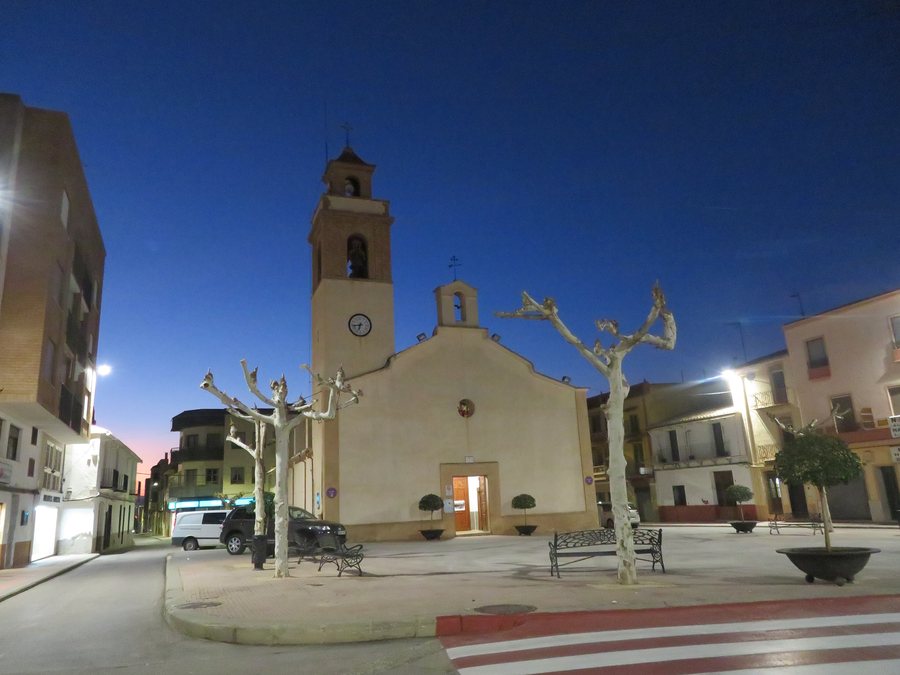 File:Iglesia parroquial de San Juan Bautista (Sant Joan de Moró).jpg
Photo: Juan Emilio Prades Bel via Wikimedia Commons, CC BY-SA 4.0
File:Iglesia parroquial de San Juan Bautista (Sant Joan de Moró).jpg
Photo: Juan Emilio Prades Bel via Wikimedia Commons, CC BY-SA 4.0
Forests and natural surroundings at Tossal del Mollet
The character of Sant Joan de Moró includes extensive holm oak and cork oak forests. Tossal del Mollet is designated as a municipal natural area and recognized for its ecological, landscape and recreational values. The Iberian settlement on Tossal del Mollet is considered an archaeological complex. Anyone wishing to combine nature and history will find two themes here within the same natural area.
San Juan Bautista Church
The parish church of San Juan Bautista was built in 1887. Its notable architectural and artistic details include a spiral staircase leading to the choir and stained-glass windows depicting San Juan and San Miguel. These elements provide specific points of reference if you want to explore historic architecture not only through its exterior appearance, but also through individual interior details.
Mas de Flors and its traditions
Mas de Flors preserves a medieval character in its streets. Some houses date from the early 18th and 19th centuries. The chapel of Sant Antoni can be visited in Mas de Flors Square. Every year, the saint's feast is celebrated there with a bonfire, traditional rollos and the blessing of the animals. In this way, the townscape, older buildings and living festive tradition form a shared cultural context.
Paths to Font de la Figuera
The connections between the paths also make Sant Joan de Moró interesting for nature-oriented travel planning. The PR-CV 460 R2 El Mollet hiking trail begins at the Ermita de Sant Vicent in Sant Joan de Moró. Route R1–Mas de Flors leads to Font de la Figuera. There, the landscape displays typical features of a wetland with riverside vegetation; there is also a fig tree at Font de la Figuera that has grown between the rock and the basin. These specific destinations help you give different weight to cultural and nature interests when planning your day.
San Juan festivities in June
The San Juan festivities in Sant Joan de Moró take place around June 24 in honor of San Juan Bautista. They include a competition in “Birles i Canuts”, recalling traditional games that are nearly extinct. If you want to plan your stay around regional customs and special dates, this celebration is one of the town's notable annual events.
Your accommodation in Sant Joan de Moró
When choosing your accommodation, you can organize Sant Joan de Moró according to the interests that shape your trip: the parish church of San Juan Bautista and Mas de Flors represent historic impressions, Tossal del Mollet and Font de la Figuera represent landscapes, and the two routes support a more path-oriented plan. This allows you to choose a hotel suited to your desired balance of culture, nature and excursions without confusing the individual themes of the town.
More destinations for your travel planning
You can include other destinations such as Morella, Portell De Morella, Cortes De Arenoso, Castell De Cabres, Benasal, Montanejos, Les Coves De Vinromà and Casablanca in your travel planning.
For the overarching travel overview: Castellon.

.jpg)