
Pilgrimage Sites and Routes in the Valencia Region
The Valencia region can be explored through more than just its coastline and cities. Pilgrim routes, pilgrimage sites and religious festivals also lead into the inland areas and smaller communities. They take many different forms: a multi-day walk along the Camino de Levante, a cultural route inspired by the tradition of the Holy Grail, or a local romería held on a specific feast day. This overview will help you choose, whether you are travelling for religious reasons, an interest in history and tradition, or the scenery.
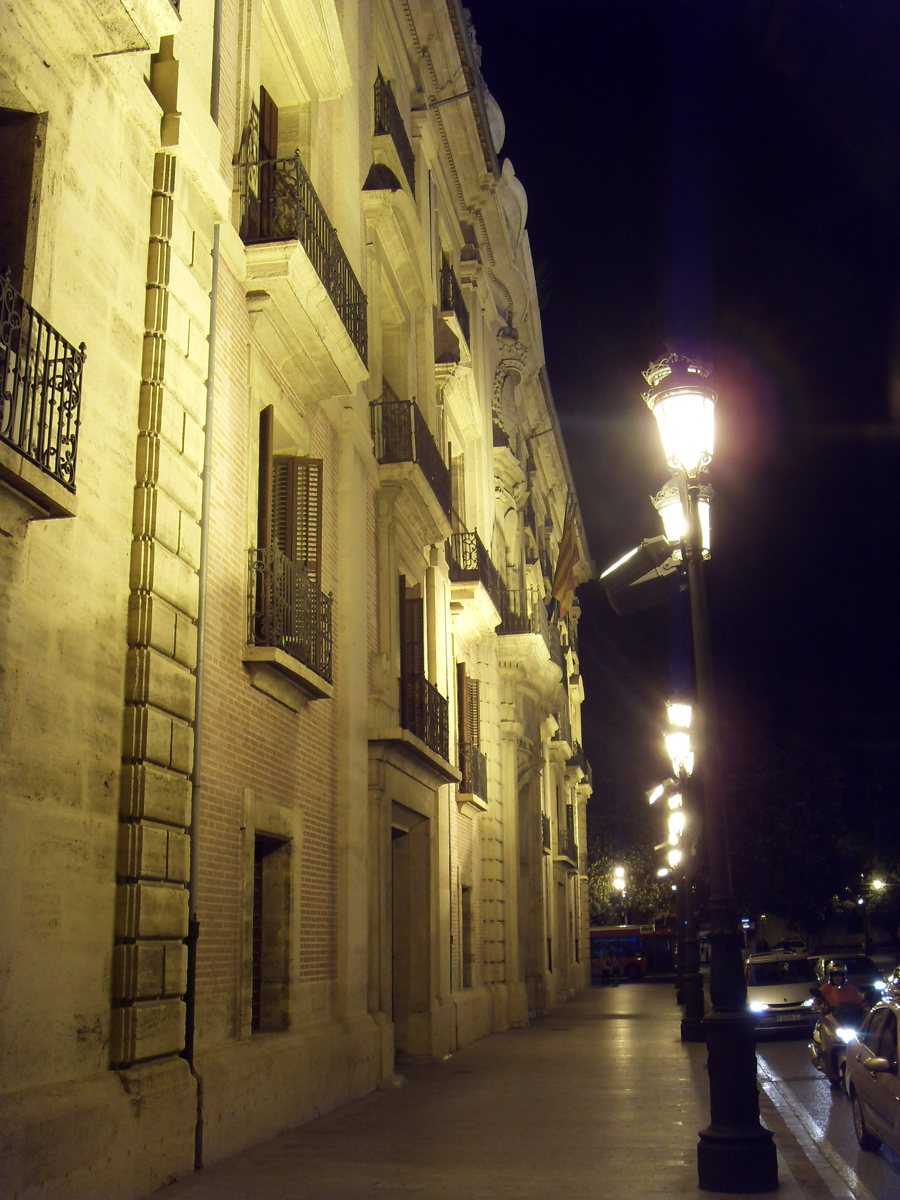 Symbolbild: historische Gasse in Valencia bei Nacht. Das Foto zeigt kein Heiligtum und keine der beschriebenen Pilgerveranstaltungen.
Photo: Markus Lenk
Symbolbild: historische Gasse in Valencia bei Nacht. Das Foto zeigt kein Heiligtum und keine der beschriebenen Pilgerveranstaltungen.
Photo: Markus Lenk
Three ways to travel as a pilgrim
A classic pilgrimage route is a trail walked in several stages. You will need time, suitable equipment and reliable plans for accommodation and supplies. A romería, by contrast, is usually a local pilgrimage or procession to a shrine; it may take place on foot and is often linked to an annual festival. Cultural themed routes draw on religious history and legends, but may not have the same character as a traditional pilgrimage route. So, before setting out, decide whether you want a waymarked walking route, an organised event or a visit to individual sacred sites.
Camino de Levante: from Valencia towards Santiago
The Camino de Levante begins at Valencia Cathedral and heads inland from there. The Valencian region covers the opening stretch of this long pilgrimage route to Santiago de Compostela; farther north, it connects with routes through other parts of Spain. The first stages link Valencia with places including Algemesí, Xàtiva, Moixent and La Font de la Figuera. Along the way, urban stretches give way to smaller towns and open countryside. Before setting out, check the latest official route information for the precise itinerary, stage distances, hostels and waymarking, as diversions and available facilities may change.
If you are looking for a short introduction, you can plan individual sections as day hikes rather than committing straight away to a long-distance walk. Make sure your start and finish points have reliable return transport. For a multi-day trip, plan some flexibility in your stages, and bring water and sun protection; confirm accommodation in advance. This is especially important away from larger towns, where shops and public transport may not be available throughout the day.
If you would like to combine walking stages with a pilgrimage, you can find further route-planning advice on the Hiking in the Valencia Region page. Check the trail conditions, waymarking and transport options for each stage before you go.
The Holy Grail Route: a cultural route shaped by religious tradition
The so-called Holy Grail Route links places in the provinces of Castellón and Valencia and continues to Valencia Cathedral. It works well as a cultural discovery route on foot or by bicycle, and you can divide it into shorter sections depending on how much time you have. Its name refers to a religious tradition surrounding the Holy Chalice; the route invites you to learn about this tradition and the places along the way. As well as sites with religious associations, you will encounter historic town centres, landscapes and regional culture. Check in advance which sections are suitable for your chosen mode of travel and currently accessible.
Les Useres: a special pilgrimage into the mountains
The pilgrimage from Les Useres to the Sant Joan de Penyagolosa shrine is one of the most distinctive religious traditions in the province of Castellón. It is a communal, ritualised pilgrimage on foot, quite different from an independently planned long-distance hike. The event follows an annual tradition; before travelling, check the date, access arrangements and any visitor guidelines with the local organisers or official tourism offices. If you attend as a visitor, keep your distance, do not disrupt the proceedings and follow the organisers’ instructions. Hiking outside the event day is subject to the usual requirements for mountain trails and weather conditions.
If you are planning your visit around a pilgrimage and local festival dates, the overview of Festivals and Traditions offers more examples from the three provinces. Confirm the dates of specific celebrations with the organisers.
Santa Faz near Alicante: plan a visit to this pilgrimage site
The Santa Faz Monastery near Alicante is an important religious site and the destination of a traditional pilgrimage. You can include a visit during a stay in Alicante, but it is not a mountain hike or a multi-day pilgrimage. Check opening hours, services, access and event dates in advance, especially if you plan to visit on a feast day. In sacred spaces, dress appropriately, speak quietly and be considerate of those praying. For more ideas for visiting the city, use Alicante City as your starting point.
Which trip is right for you?
For an easy introduction, visit Valencia or Alicante and combine it with a walk around the city. If you are looking for a clearly defined day hike, you could choose a section of the Camino de Levante, but be sure to check return transport and the level of difficulty. The Camino makes a good standalone trip if you have several days. The Holy Grail Route is better suited to a cultural tour, where you can flexibly combine stages, places and modes of transport. Les Useres is particularly interesting if your trip coincides with the local pilgrimage.
The region is large: Castellón, Valencia and Alicante offer different starting points and landscapes. So, do not plan to visit every destination as a spontaneous day trip from a single holiday base. The pages on the Province of Castellón, the Province of Valencia and the Province of Alicante can help you get your bearings. For Valencia city, find more ideas in the Valencia City Guide.
If you are looking for an additional nature outing or hike, compare your options with the information on Nature Parks and Wildlife; access and conservation rules vary from one area to another.
Practical preparation and respectful conduct
Before any trip, check the route, elevation profile, waymarking, weather and return transport. Bring enough drinking water, sun protection, suitable footwear and a fully charged mobile phone; mobile coverage is not guaranteed on remote stretches. If hot weather or thunderstorms are forecast, postponing your trip may be the better option. Book accommodation well in advance for a multi-stage walk, and do not rely on unverified information about open hostels or places to eat. Churches and monasteries may be closed at certain times or have special rules. Ask before taking photos during services or processions, and follow local guidance.
Frequently asked questions about pilgrimages in the Valencia Region
Where does the Camino de Levante begin?
The route begins at Valencia Cathedral and initially heads inland. Check the official information for the current stage itinerary before you set off.
Do I have to walk the whole way to Santiago?
No. You can plan individual sections as day hikes or multi-day walks. Choose suitable stage distances and arrange your return transport.
Is the Holy Grail Route a traditional pilgrimage route?
It is a cultural route rooted in religious tradition and can be explored in sections on foot or by bicycle. It is not necessarily the same as a classic long-distance pilgrimage.
When does the Les Useres pilgrimage take place?
It is linked to an annual local tradition. Check the exact date and visitor information with official sources for the year you plan to visit.
Can I visit Santa Faz during a stay in Alicante?
Yes. The pilgrimage site is near Alicante. Check the latest access and visitor information beforehand, particularly on religious feast days.
What should I pack for a pilgrimage walk?
Suitable footwear, water, sun protection, weather-appropriate clothing, navigation equipment and a mobile phone are essential. For multi-day trips, you will also need confirmed accommodation and a plan for food and other supplies.
Official information about stages and the route of the Camino de Santiago de Levante can help you plan the details.
